
Avandra Field Guide · Centre-Val de Loire, France
South to the Loire Châteaux from Cherbourg
13
nights
1072
km driving
25
challenges
6,025
XP to earn
13
nights
1072
km driving
25
challenges
6,025
XP to earn
Thirteen nights in a loop from Cherbourg and back. The first nights move quickly: Mont-Saint-Michel, then Fougères and Rennes, then Angers and its Apocalypse Tapestry. After that the pace slows, with two nights each at Saumur, Chinon, Amboise and Blois for the Plantagenet tombs at Fontevraud, Joan of Arc's fortress at Chinon, the gardens of Villandry, Leonardo's last home at Clos Lucé, Chenonceau across the Cher and the double-spiral staircase at Chambord. The way home runs through Le Mans, for the 24 Hours circuit and the oaks of Bercé, then Falaise and Caen, William the Conqueror's towns.
Starts and finishes at the ferry in Cherbourg
Best from April to October
1072 km of driving in total, about 16 hours over 13 days
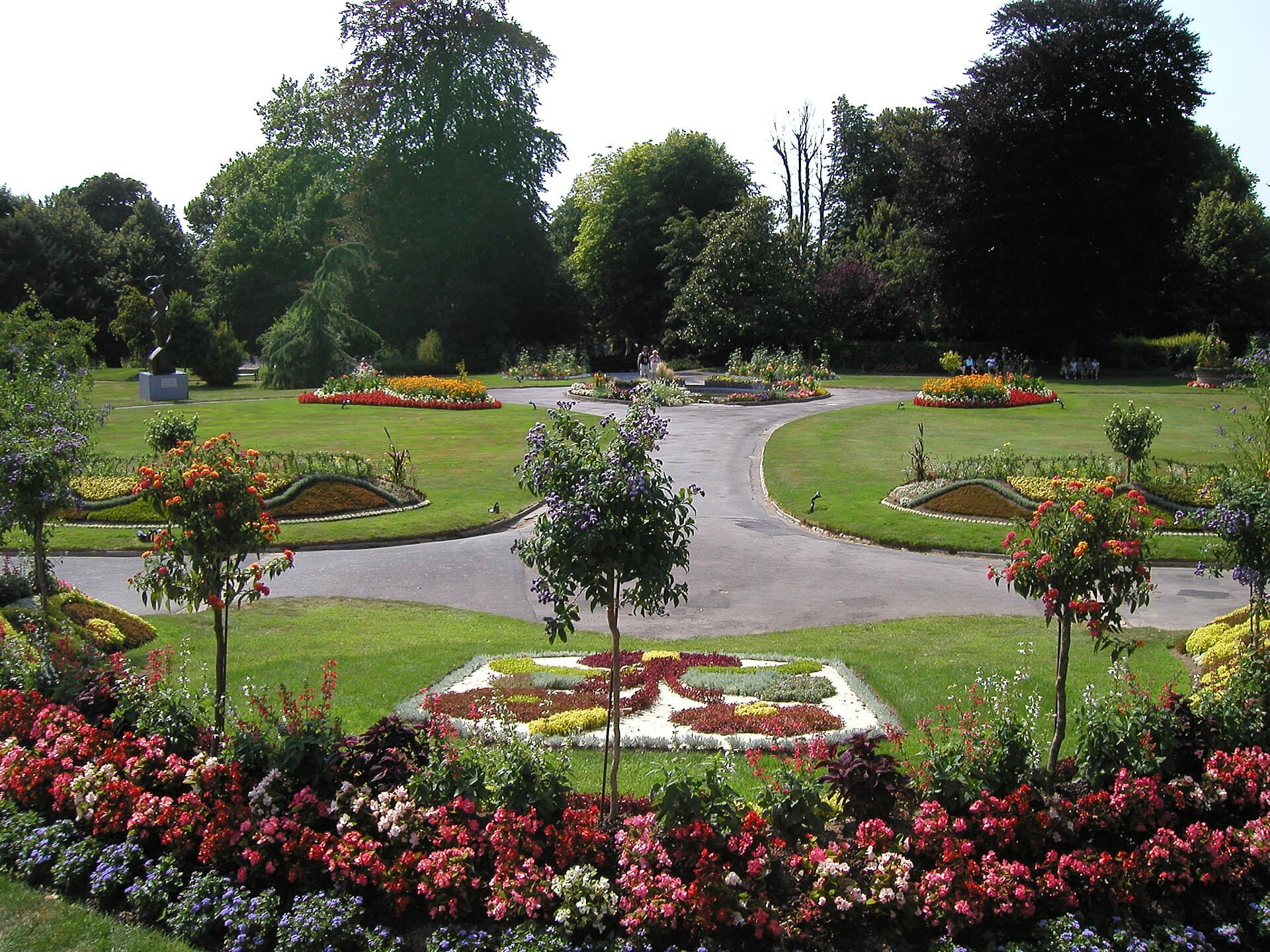
Avranches: The Manuscripts of Mont-Saint-Michel and the Skull of Saint Aubert
Edited by Avandra
Day 1 · 1 night
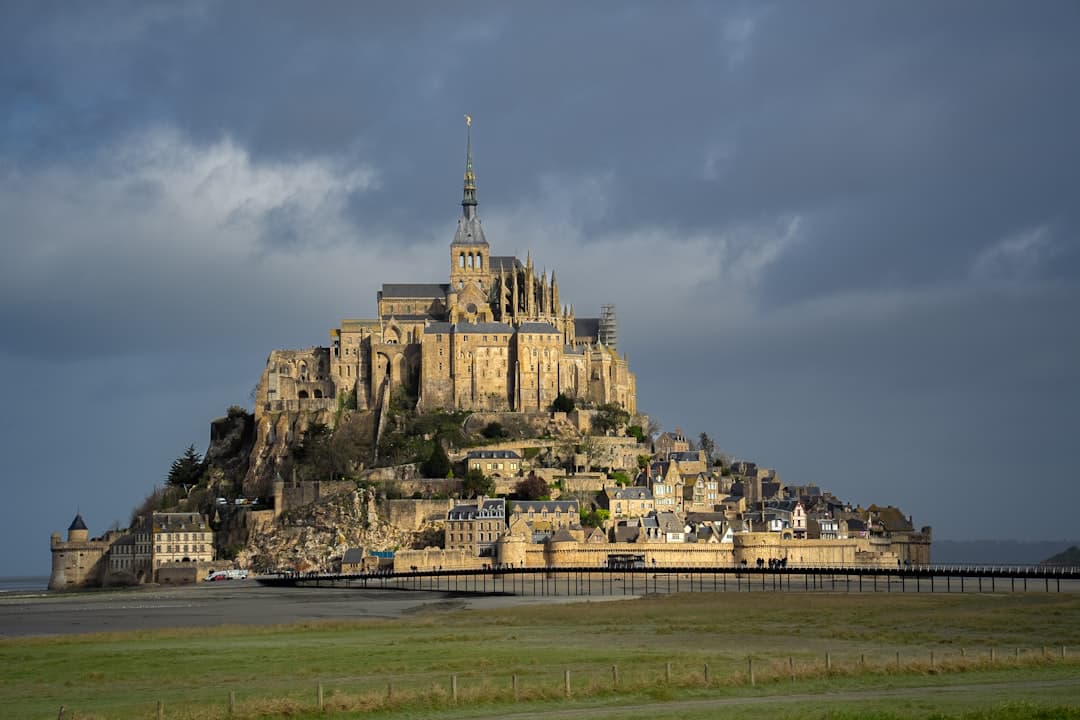
Mont-Saint-Michel
165 km · 1 h 59 min from Cherbourg
Base camp · 1 night
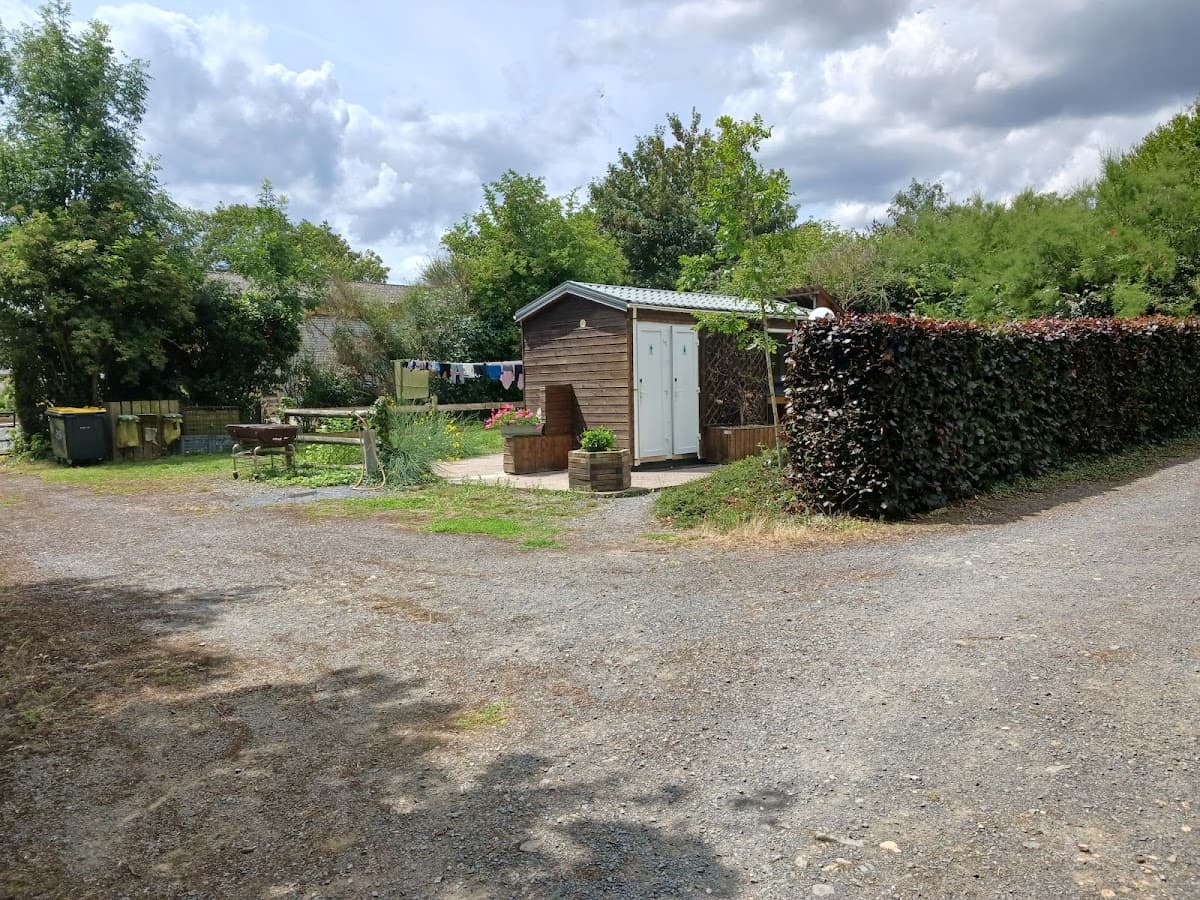
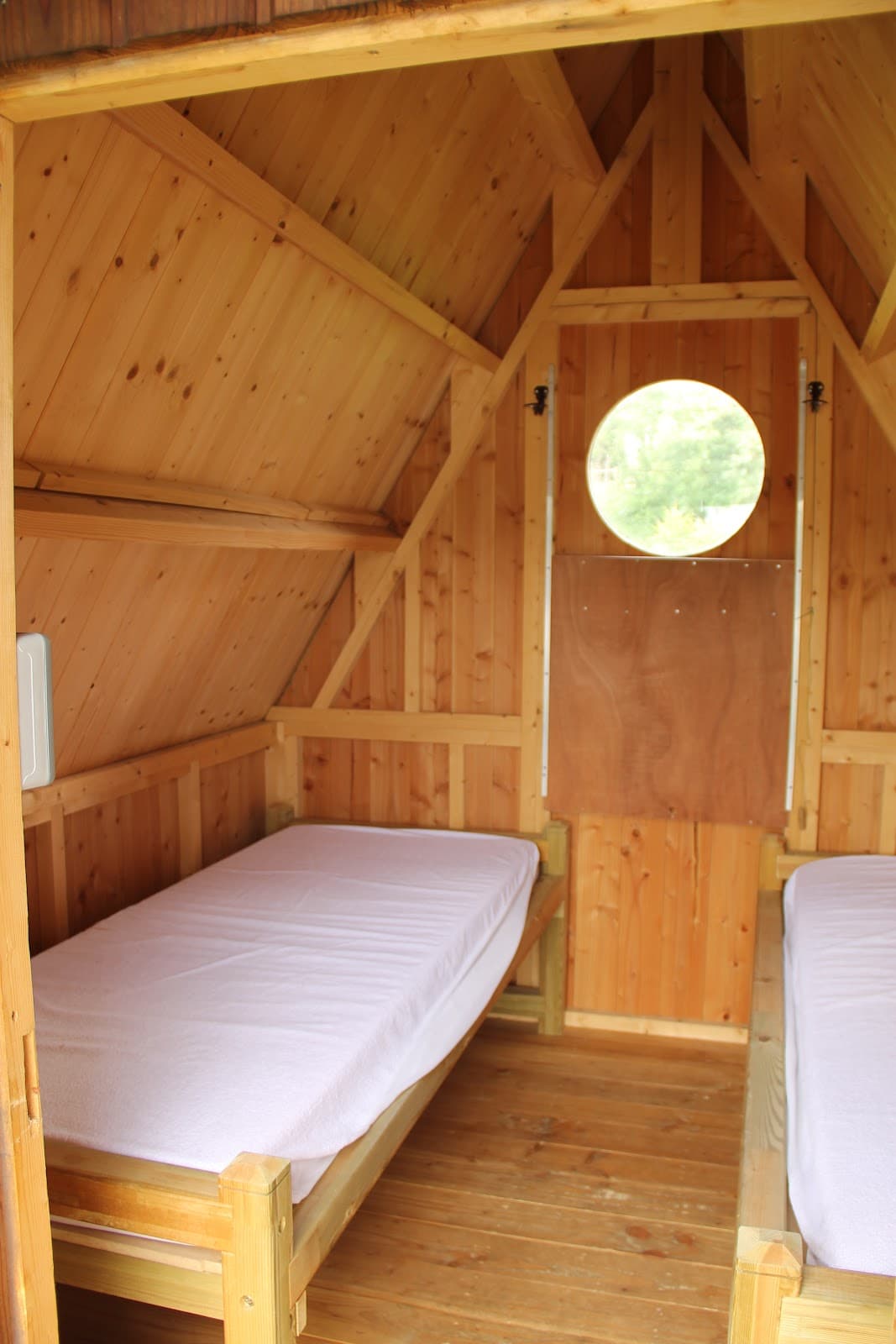
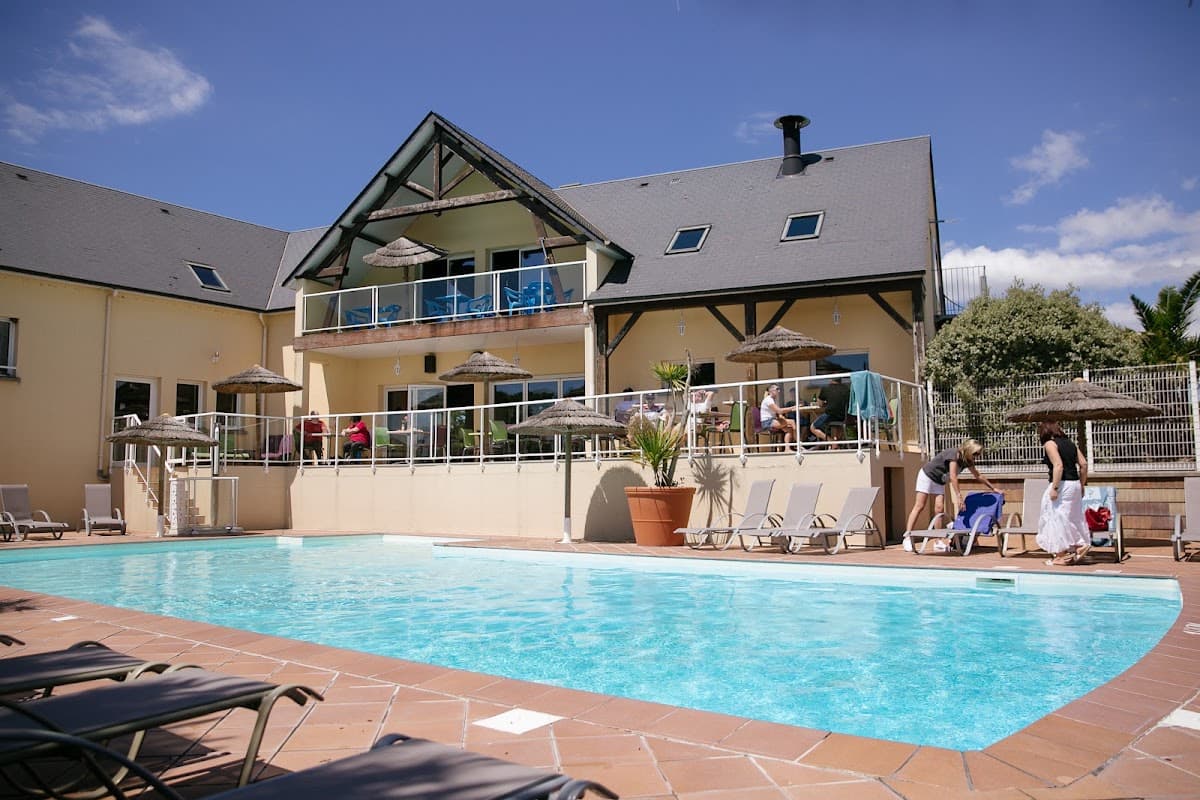
Camping Seasonova
4.1
1,277 Google reviews
Editor's note
One night at Mont-Saint-Michel. Walk the ramparts and the Grande Rue, then climb to the Benedictine abbey and the Gothic Merveille, on UNESCO's World Heritage list since 1979. For the walk across the sands from Genêts, go at low tide with an authorised guide; the tide in the bay can range by up to 14m. La Mère Poulard has been famous for its omelettes since 1888. In Avranches, whose bishop Aubert founded the first sanctuary on the Mount, the treasury of Saint-Gervais holds a reliquary said to contain his skull, and the Scriptorial shows the abbey's manuscripts.
Mont-Saint-Michel: The Abbey, the Bay and the Walk Across the Sands
400 XPClimb the steep stair called the Gouffre into the abbey's salle des Gardes, then work round the Merveille on the north side to stand under its eastern gable and the tapering tour des Corbins, and pick out the gilded Saint Michael on the spire 157.10 m above the shore
7.1 km from camp
About 8 h
Avranches: The Manuscripts of Mont-Saint-Michel and the Skull of Saint Aubert
225 XPIn the Scriptorial, work through the display of the abbey's library — more than 200 medieval volumes — and find the copies in which the Mont's monks were reading translations of Aristotle, Boethius, Cicero and Plato
7.9 km from camp
About 3 h
Walks from camp
Day 2 · 1 night
Fougères and Rennes
74 km · 1 h 56 min from Mont-Saint-Michel
Base camp · 1 night
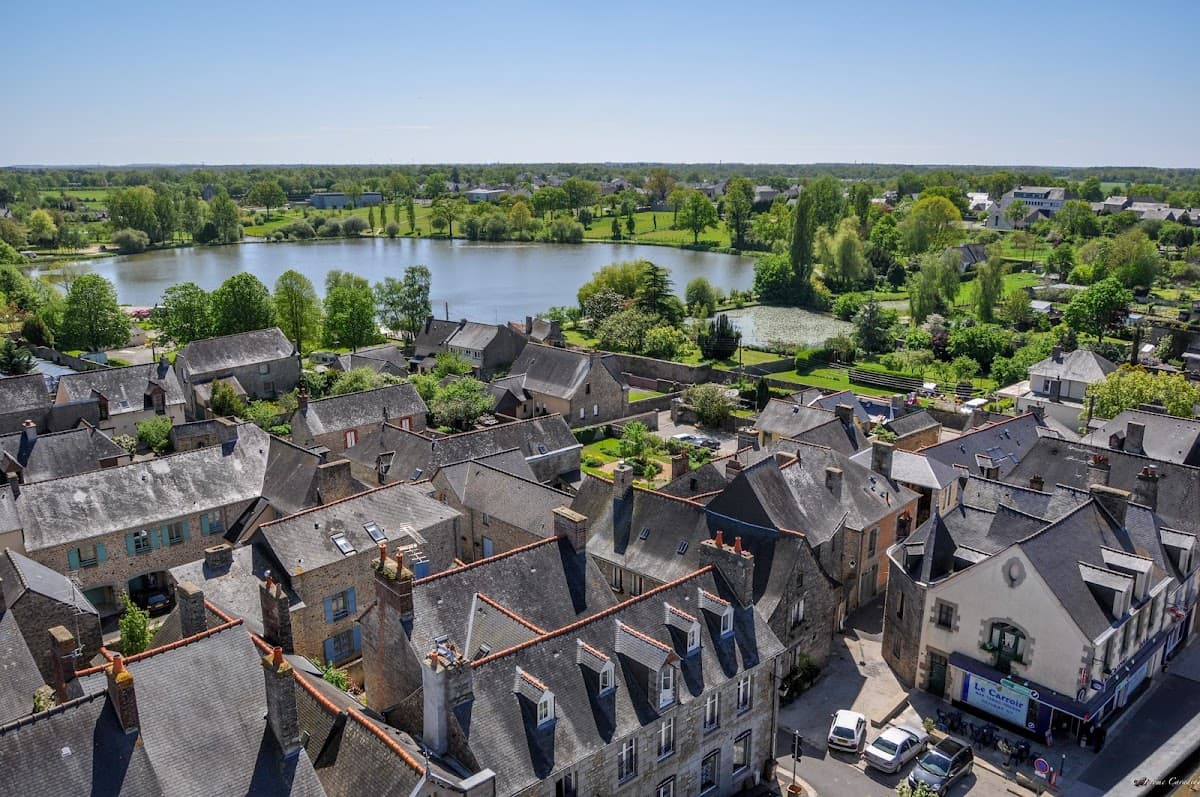
Camping municipal de l'Étang
4.6
116 Google reviews
Editor's note
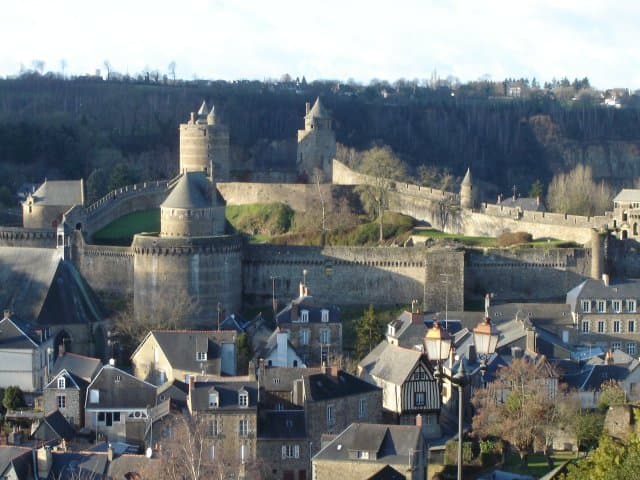
One night between Fougères and Rennes. At Fougères, the castle's three walls and 13 towers were built and rebuilt from the 12th to the 15th century; walk them, find the late 14th-century belfry, the oldest in Brittany, and look down from the public garden by Saint-Léonard. In Rennes, see the Parliament of Brittany, which survived the great fire of 1720 and burned in 1994, then go through the Portes Mordelaises into the half-timbered old town and walk in the Parc du Thabor. On a Saturday morning, the Marché des Lices fills the Halles Martenot.
Fougères: One of France's Most Imposing Fortresses, the Oldest Belfry in Brittany and the Public Garden
225 XPWalk all three enceintes of the château and date the towers by their shape: the earliest are square, the later ones round, and the horseshoe towers were built against the bases of others to give the crossbowmen room to swing. Then look at the stone itself — dressed granite for the corners, local schist rubble for the walls
17.2 km from camp
About 2 h
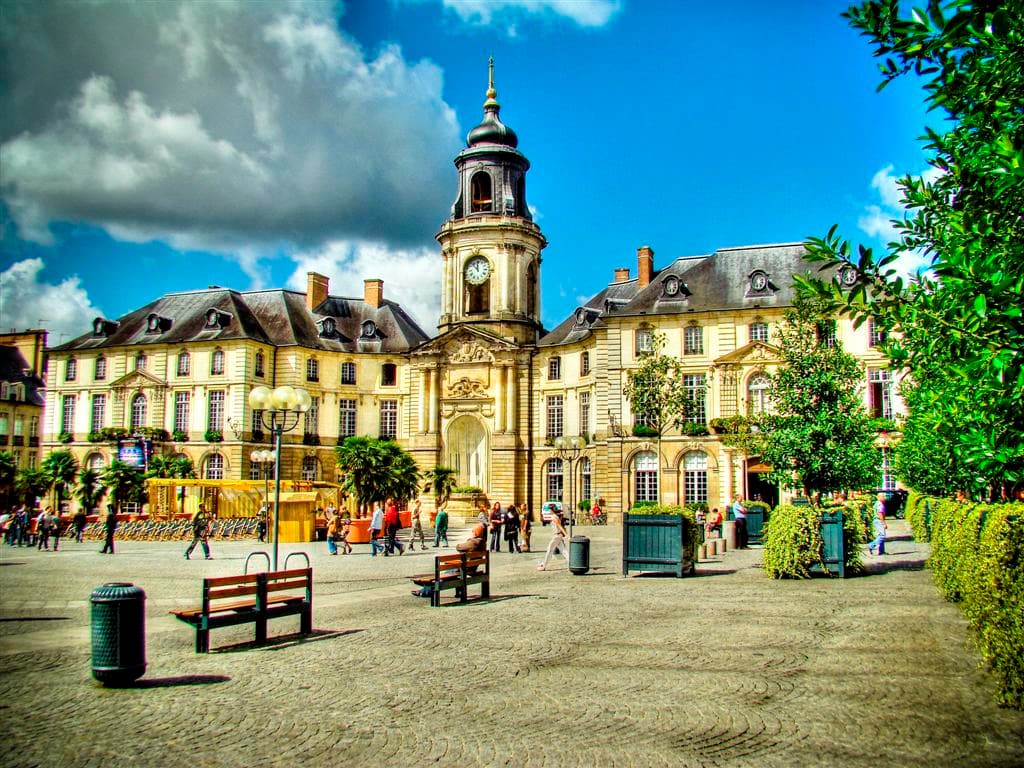
Rennes: The Parliament of Brittany, the Lices Market and the Portes Mordelaises
225 XPOn the booked tour of the palace, find the sundial set in the tympanum above the main door on the place du Parlement-de-Bretagne, then inside pick out the painted ceilings of the rooms rebuilt to the original after the 1994 fire
26.5 km from camp
About 4.5 h
Walks from camp
Day 3 · 1 night
Angers
154 km · 1 h 56 min from Fougères and Rennes

Base camp · 1 night
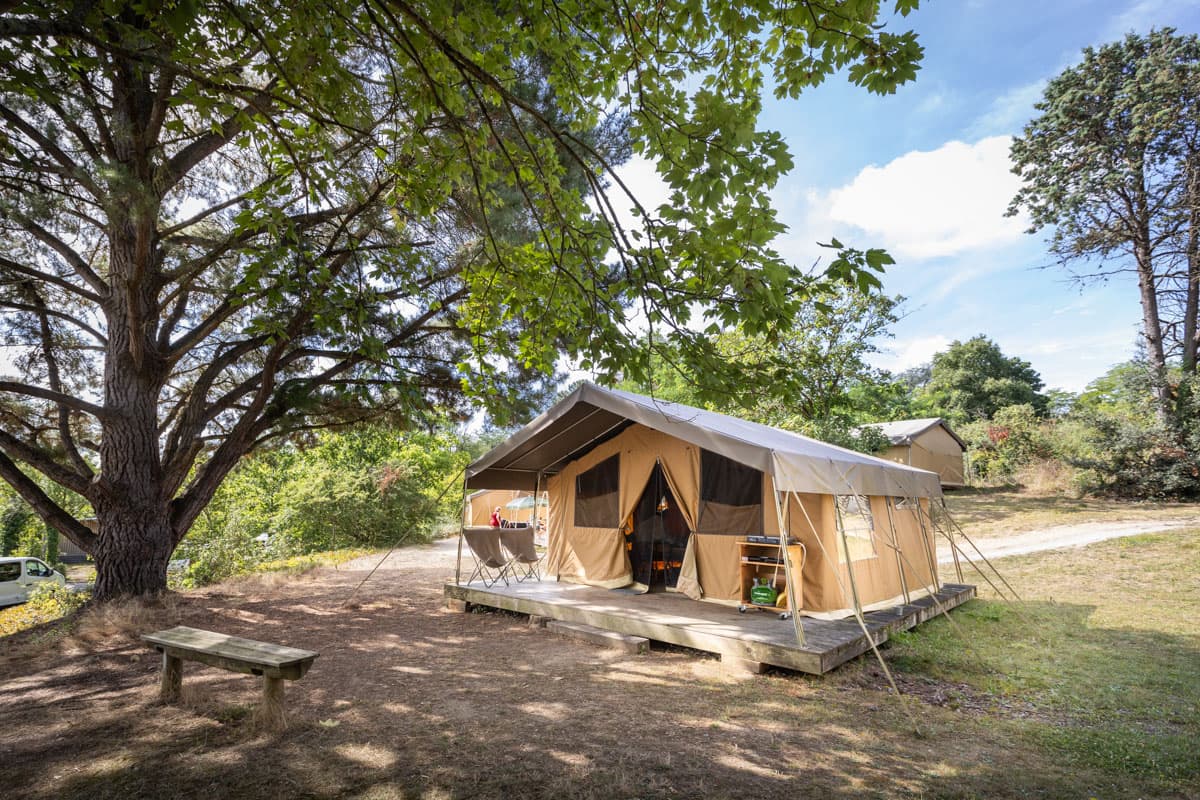
Camping du Lac de Maine
4.3
1,676 Google reviews
Editor's note
One night at Angers. Walk the walls of the château, a fortress of 17 towers built in 1230–1242, and inside see the Apocalypse Tapestry, woven in 1377–1382: 71 of its 90 scenes survived being cut up for floor mats after the Revolution. Across the river, the Musée Jean-Lurçat hangs Le Chant du Monde, ten tapestries of 1957–1966, in the medieval Hôpital Saint-Jean. At Serrant, bought in 1749 by Antoine Walsh, a Nantes shipowner who made a fortune in the Atlantic slave trade, see the library of 12,000 books, the vaulted kitchens and the bedroom made ready for Napoleon, who stayed two hours.
Angers: The Apocalypse Tapestry and the Song of the World
225 XPWalk the 800 m circuit of the Château d'Angers, built between 1230 and 1242 on Blanche of Castile's orders as the kingdom's outpost against the count of Brittany, counting its seventeen round towers of over forty metres — then work out on the north side why there are no towers at all: the cliff above the Maine did the job and was never fortified
3.2 km from camp
About 3 h
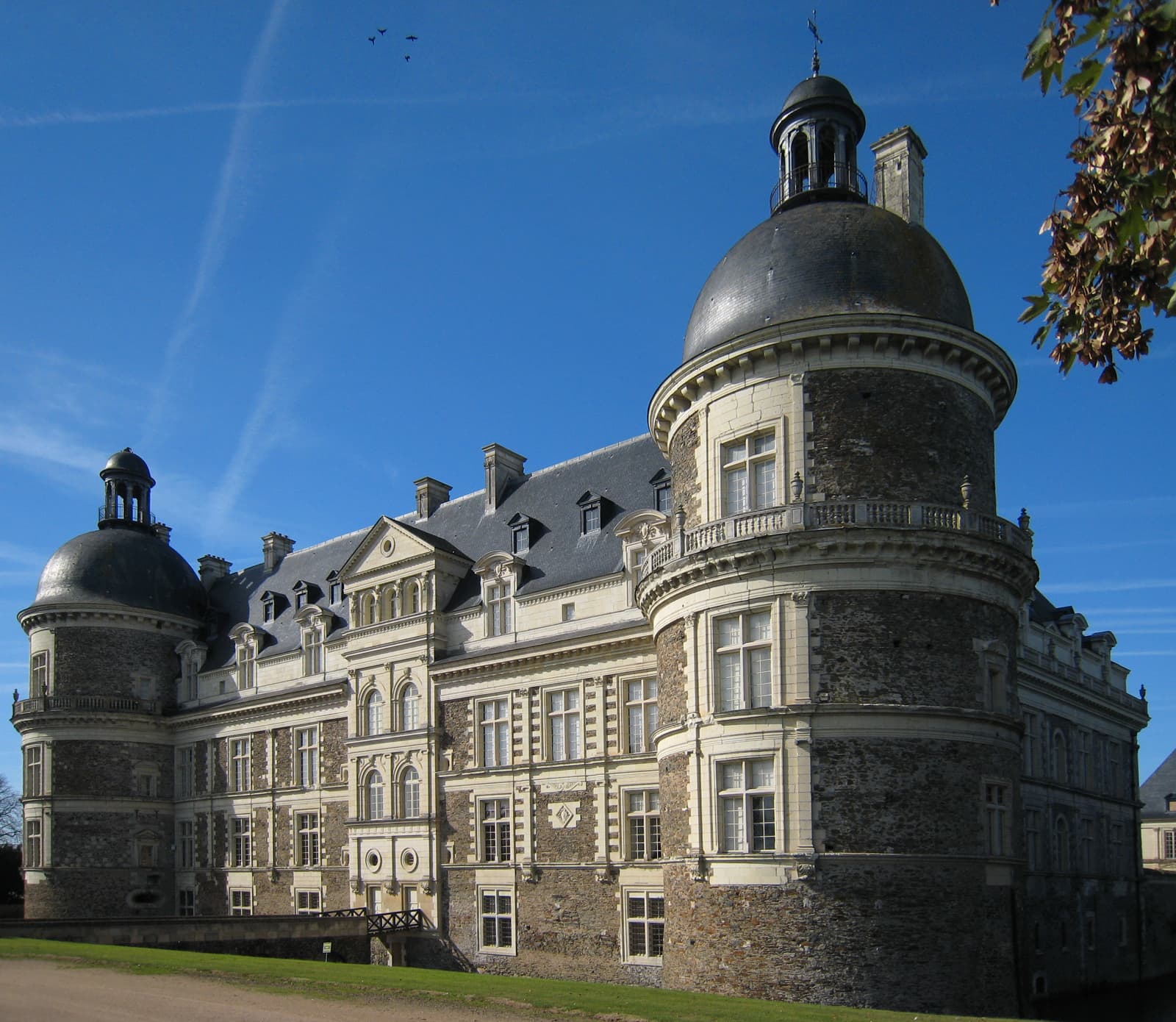
Serrant: The Slave Trader's Château, and a Library of 12,000 Books
225 XPBook onto the guided tour so you actually get into the library, and find the three sets that show what a 19th-century duke thought a gentleman should own: Diderot's Encyclopédie, the Description de l'Égypte from Napoleon's expedition, and Piranesi's engravings of Rome
12 km from camp
About 2 h
Spring to autumn only
Walks from camp
Days 4–5 · 2 nights
Saumur and Fontevraud
81 km · 1 h 12 min from Angers
Base camp · 2 nights
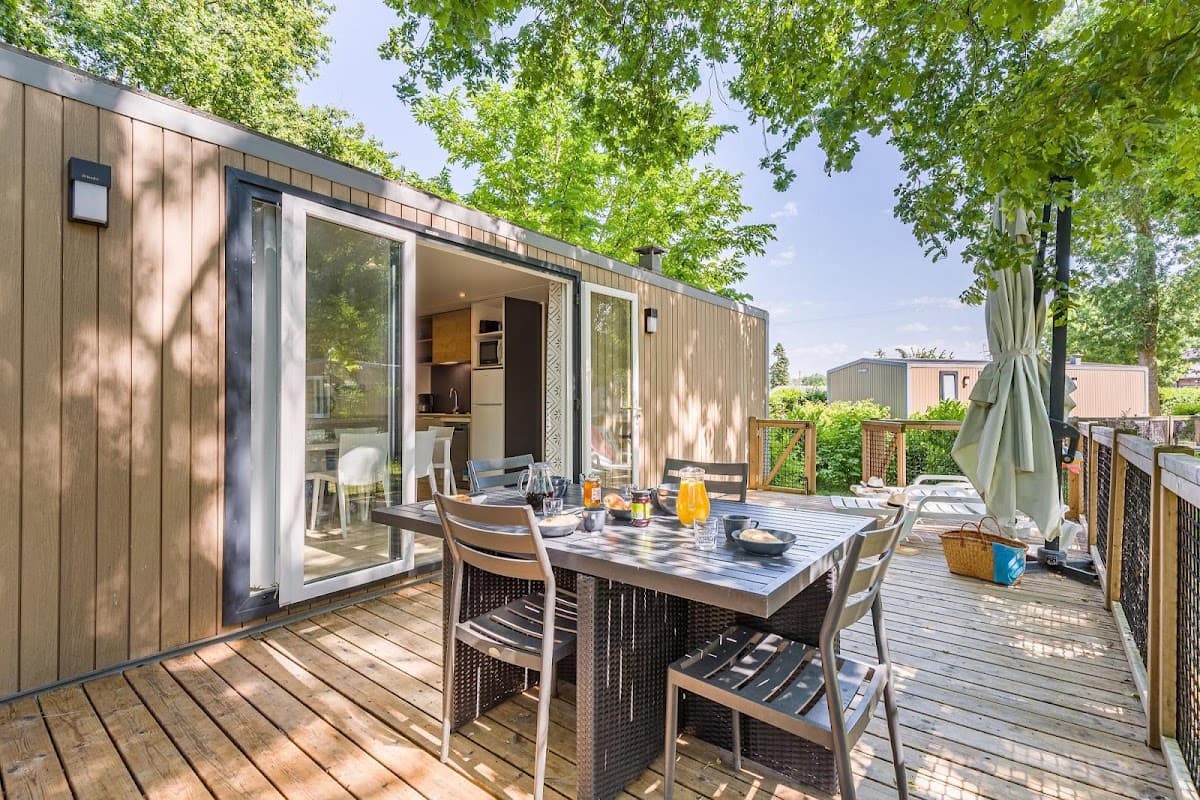
Camping Homair - Domaine de la Brèche
4.1
873 Google reviews
Editor's note
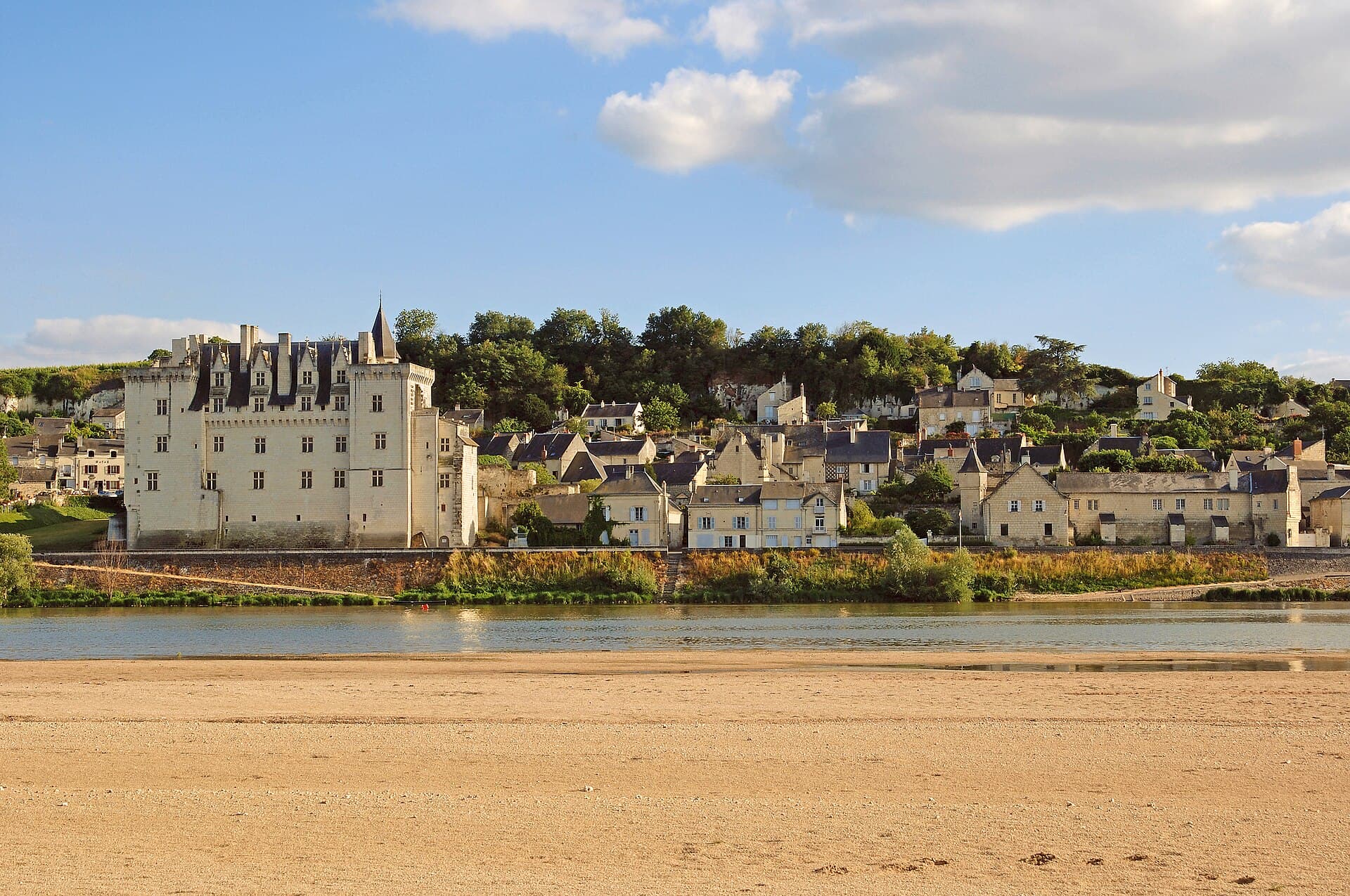
Two nights at Saumur. Fontevraud Abbey, founded in 1101 and a prison from 1804 to 1963, holds the painted effigies of Henry II, Eleanor of Aquitaine and Richard the Lionheart, and a round Romanesque kitchen. In Saumur, the Cadre Noir give public presentations from April to October, or book a guided visit; the Musée des Blindés has the only Tiger II still in running order, and you can tour the tuffeau cellars of Bouvet-Ladubay or Ackerman and taste the sparkling wine. Montsoreau castle stands in the bed of the Loire, and at Candes-Saint-Martin, where Saint Martin died in 397, the Vienne flows into the Loire.
Saumur and Fontevraud: Plantagenet Tombs, Tanks and Tuffeau Cellars
275 XPFind all four effigies in the abbey church, set two by two from the crossing: Henry II and Eleanor of Aquitaine behind, Richard the Lionheart in front — and beside him the plain polychrome wooden one, labelled Isabella of Angoulême for centuries but argued since 2024 to be Richard's sister Joan. Eleanor commissioned three of them, including her own, while she was still alive
5.4 km from camp
About 3.5 h
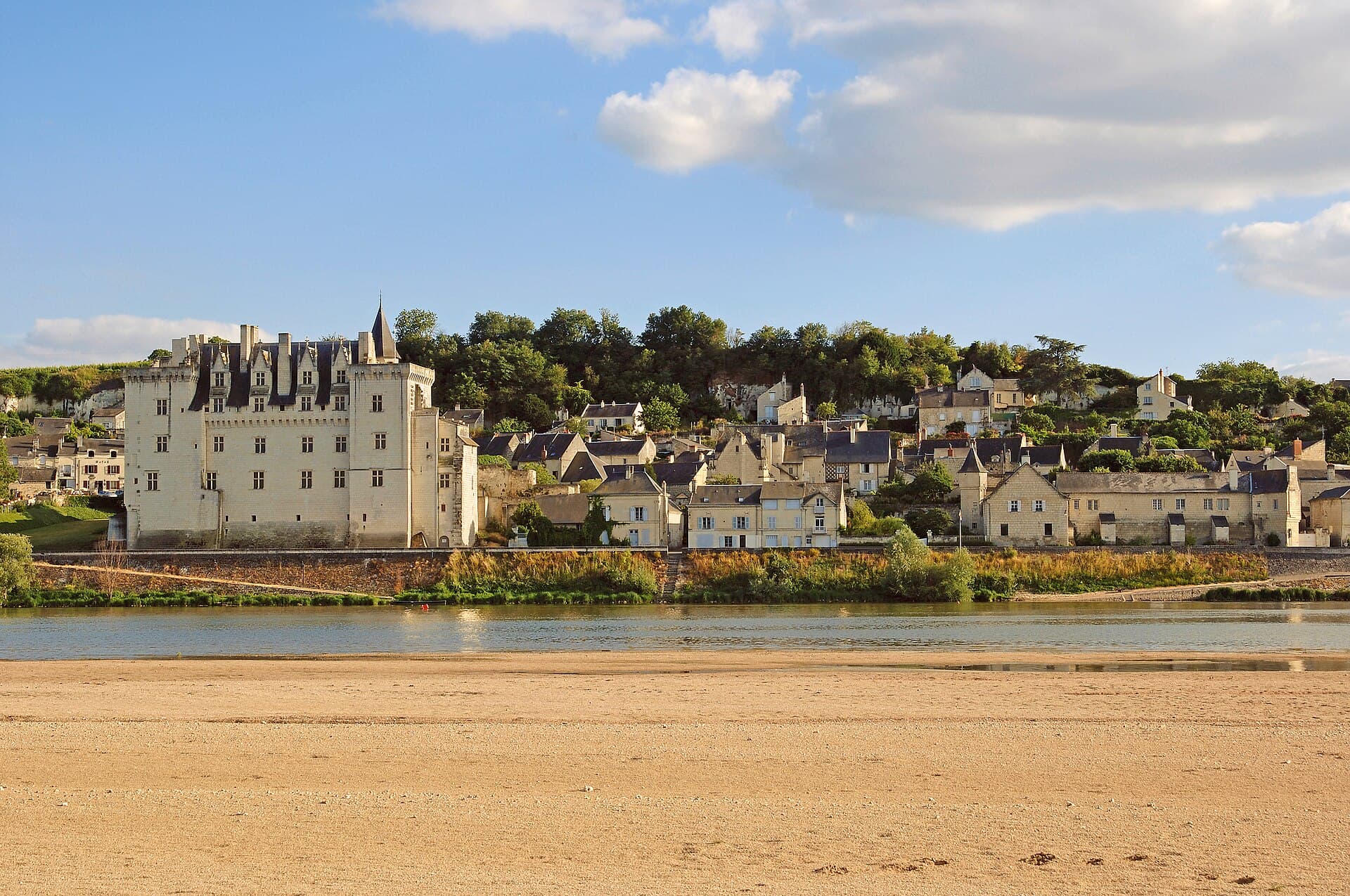
Montsoreau: The Castle in the Loire
225 XPWalk the river side of the château and find the bare tuffeau rock showing through at the foot of the walls, then pace out the width of the road built along the bank around 1820 — before it existed the Loire came right up to that north façade
6 km from camp
About 2 h
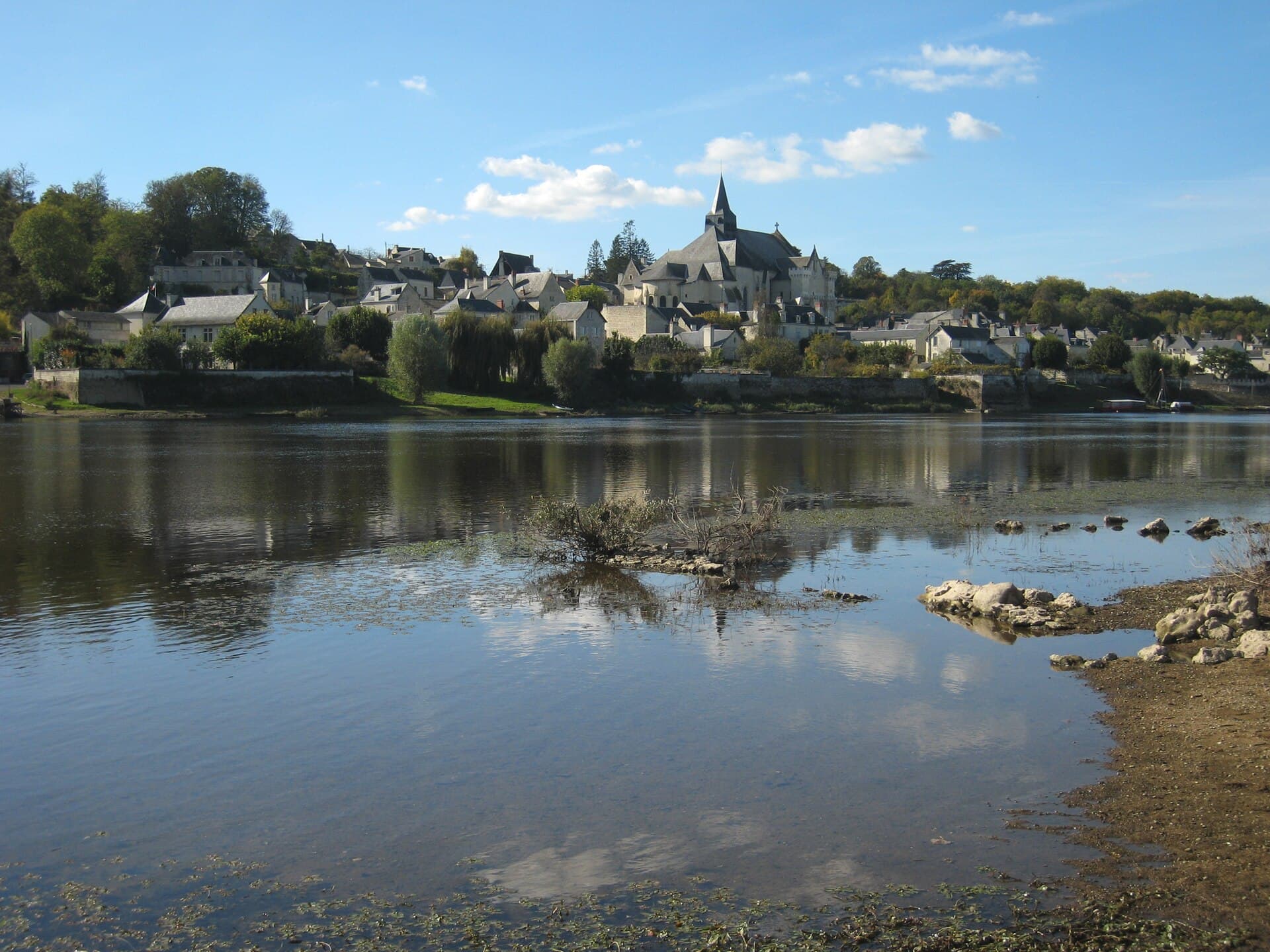
Candes-Saint-Martin: Where Saint Martin Died, at the Meeting of the Vienne and the Loire
200 XPWork round the collegiate church and find the chapel said to stand where Martin died, then look hard at the carving the church is famous for — specialists are still arguing about which parts belong to which campaign, so pick out for yourself where the stonework changes hand
7 km from camp
About 3.5 h
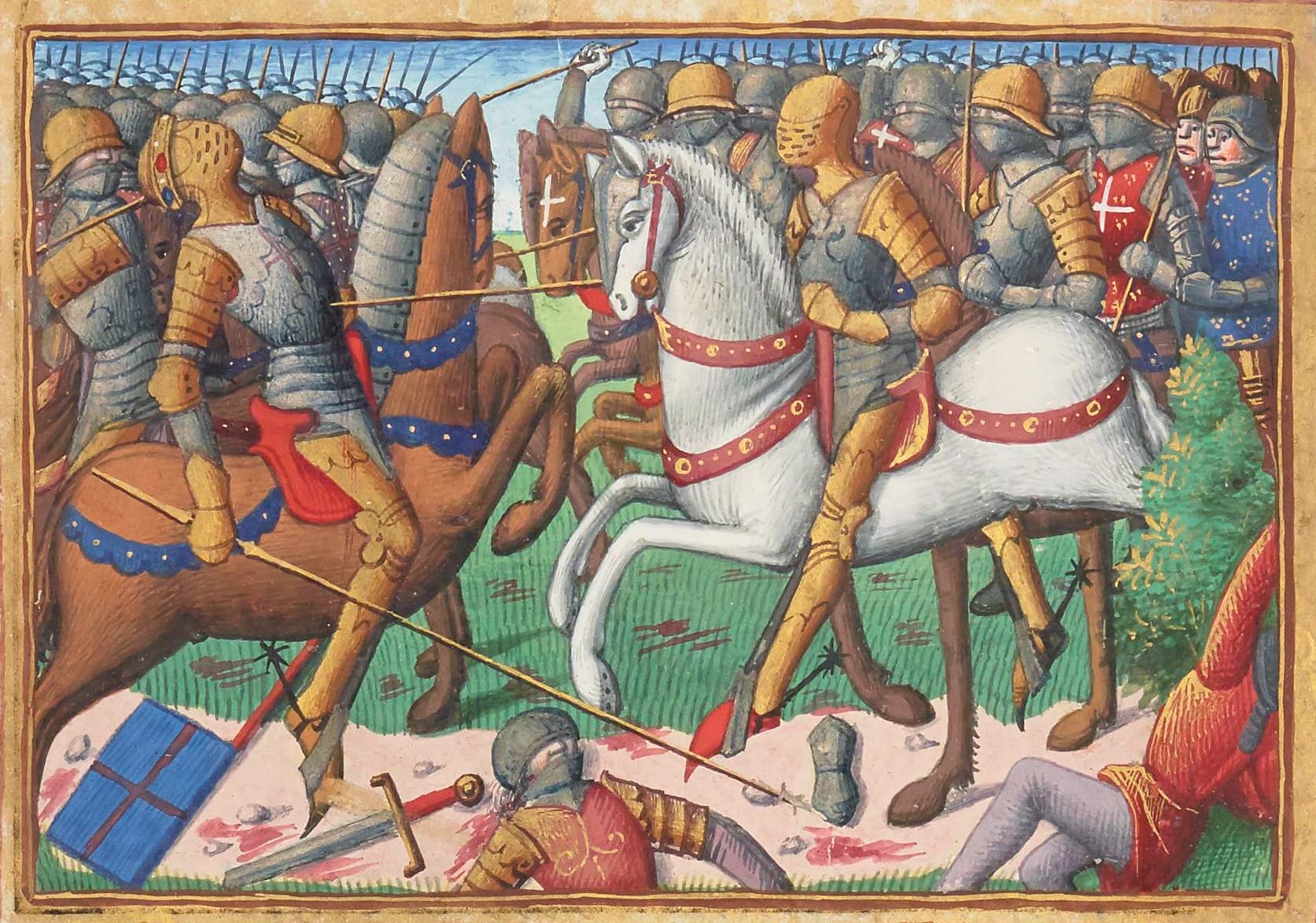
Baugé: King René's Hunting Lodge, the Apothecary and the Twisted Spires
200 XPIn the castle René had rebuilt from 1451 out of its burnt ruins — ten years of work — go up to the first floor and find, among the rooms on chivalry and courtly love, the one that traces the Cross of Anjou into the Cross of Lorraine
33.6 km from camp
About 2.5 h
Walks from camp
Days 6–7 · 2 nights
Chinon and Azay-le-Rideau
48 km · 58 min from Saumur and Fontevraud
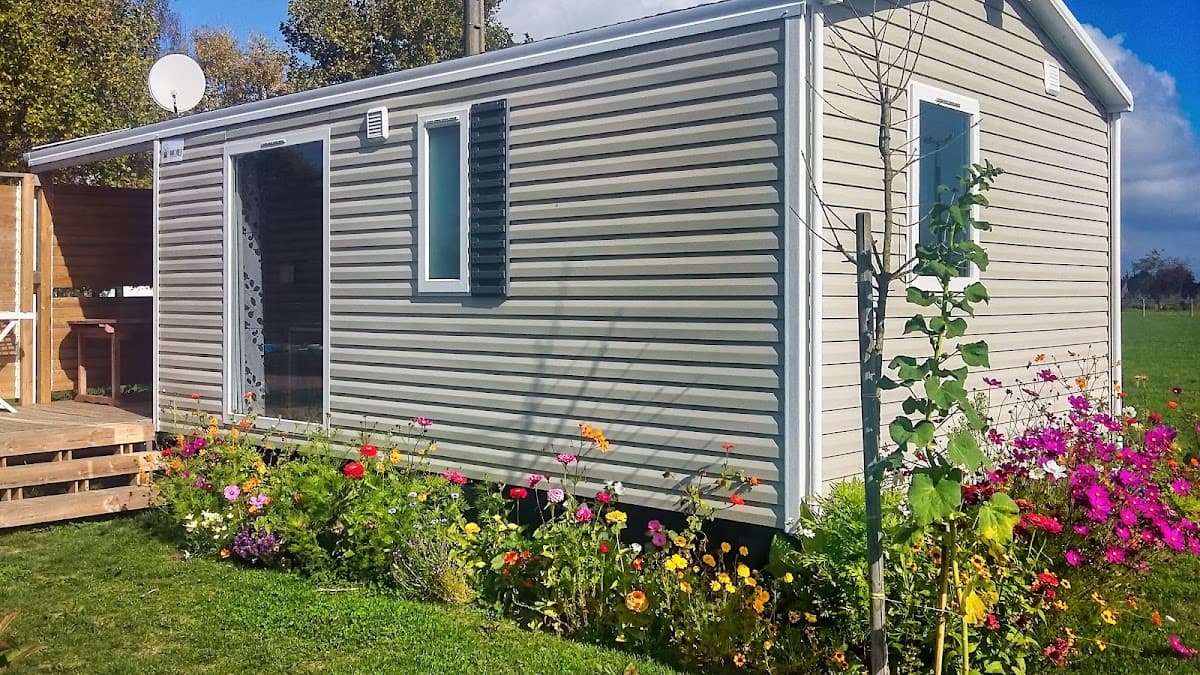
Base camp · 2 nights
Camping Loire et Châteaux
4.5
702 Google reviews
Editor's note
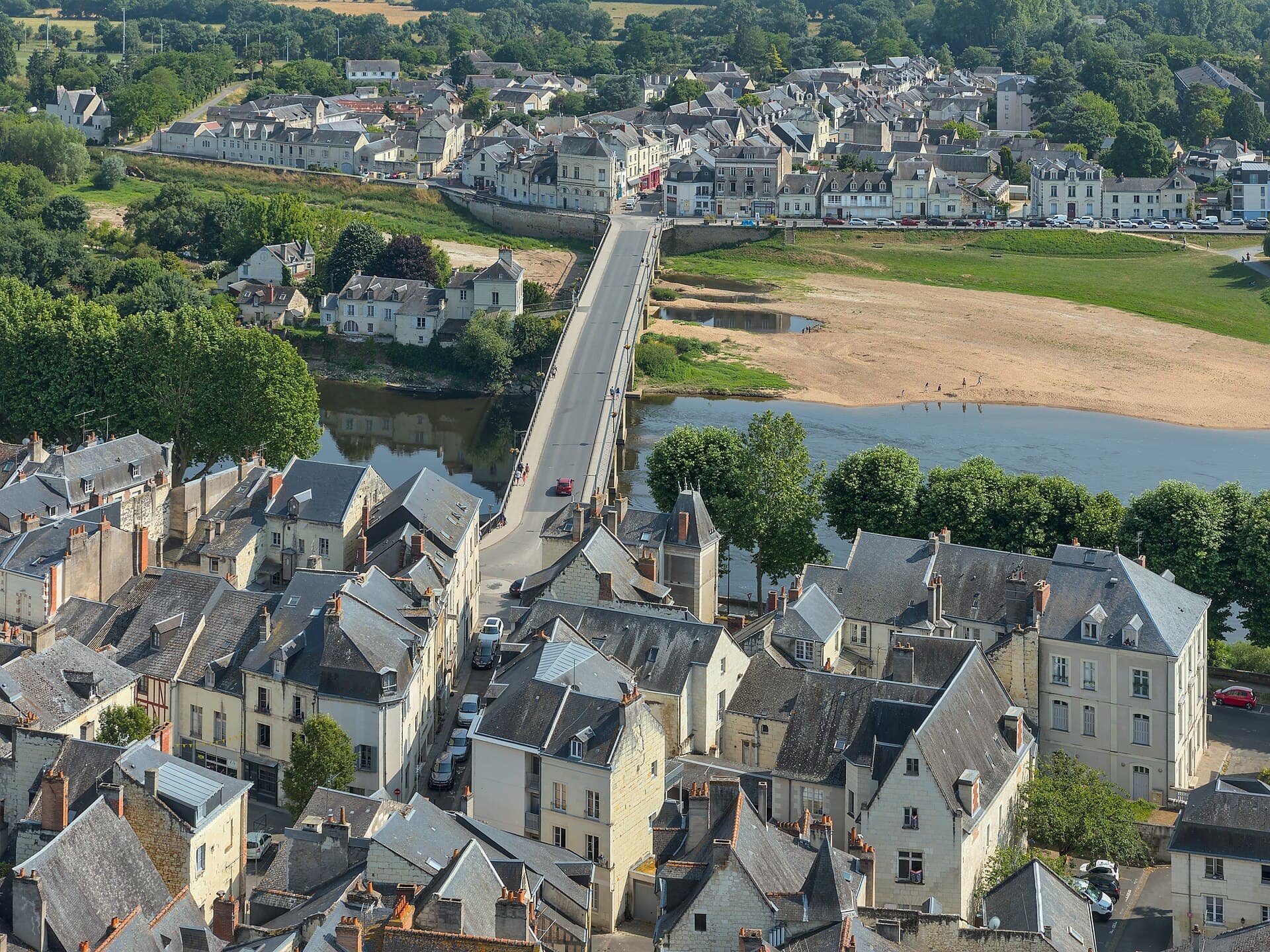
Two nights between Chinon and Azay-le-Rideau. Walk the ramparts of the Forteresse royale de Chinon, see the royal apartments where Joan of Arc met Charles VII in 1429, and find the graffiti the imprisoned Templars carved in the Tour du Coudray. Ussé, above the Indre, is the castle Perrault had in mind for Sleeping Beauty. Azay-le-Rideau stands partly on piles in the Indre, and Balzac's room is kept at Saché, about six kilometres away. Walk the box-hedge gardens of Villandry, and at Langeais see the château where Charles VIII married Anne of Brittany in 1491 and the ruined keep of Fulk Nerra.
Chinon and Ussé: Joan of Arc's Fortress and Sleeping Beauty's Castle
275 XPWalk the 300 m spur of the Forteresse royale de Chinon above the Vienne, cross the dry ditches between its three castles, and in the royal apartments of the château du Milieu find the floor slab that marks where Henry II died on 6 July 1189
16.3 km from camp
About 3 h
Spring to autumn only
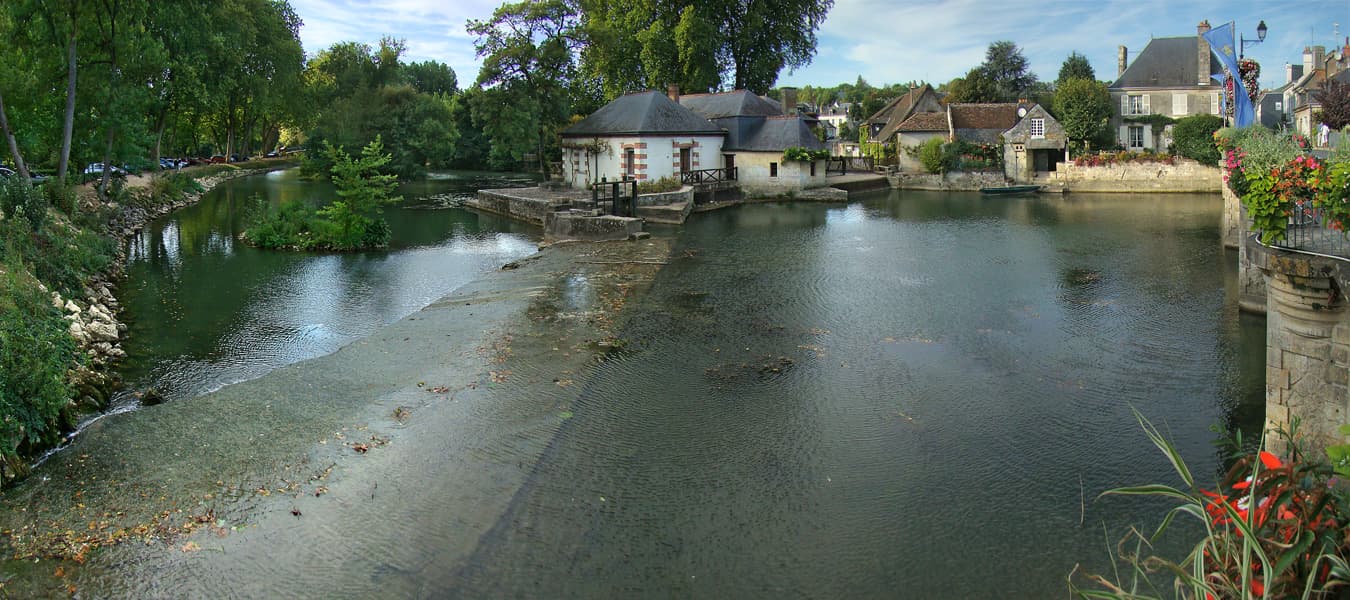
Azay-le-Rideau and Saché: The Island Château and Balzac's Refuge
225 XPStop at the entrance door, built like a Roman triumphal arch, and find the initials of Gilles Berthelot and Philippe Lesbahy cut into it, with François I's salamander and Queen Claude's ermine under the windows below — flattery that did not save them, since Berthelot was condemned for embezzlement in 1527, fled, and the king confiscated the unfinished house. Then look along the roofline for the machicolations and the wall-walk, both of them for show and no use at all
9.2 km from camp
About 4 h
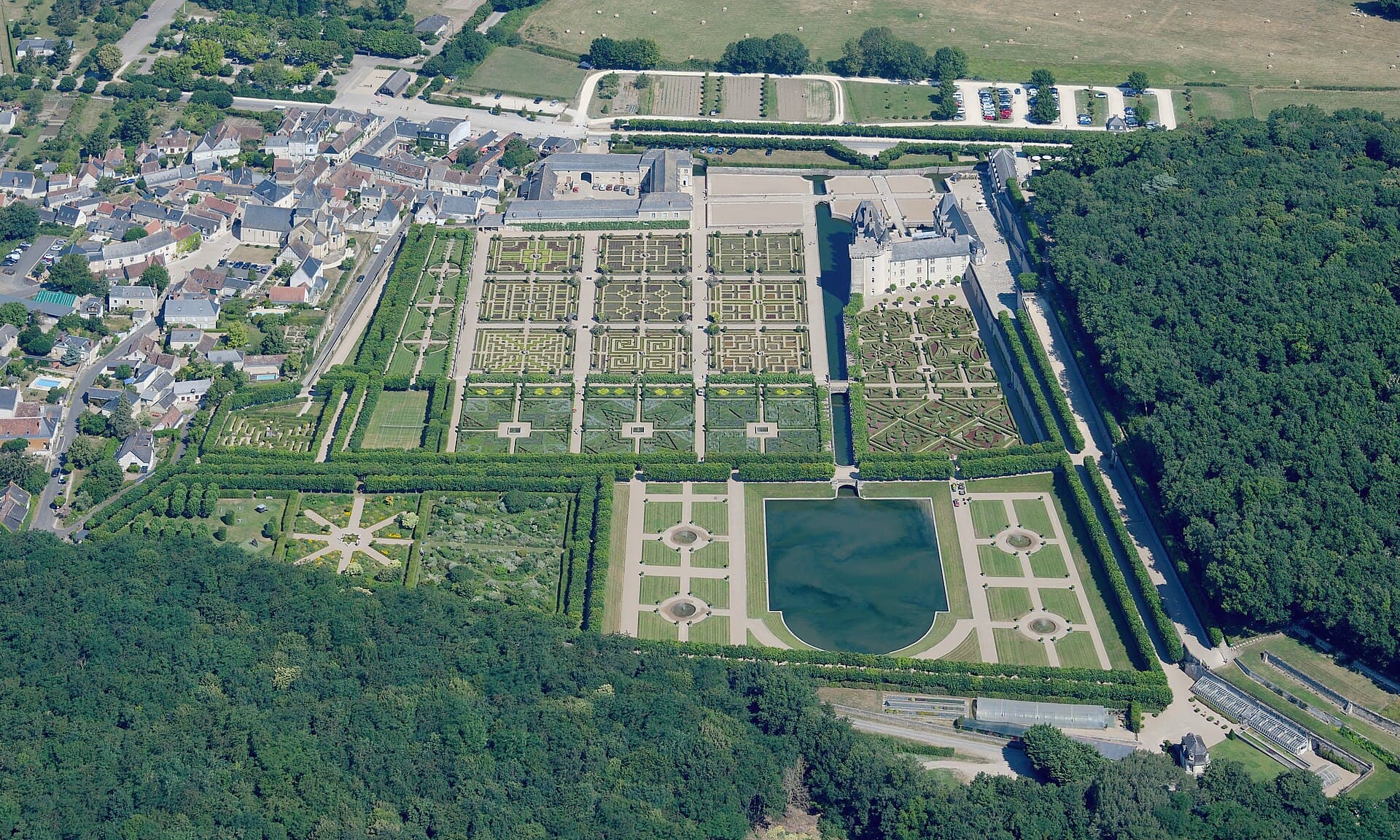
Villandry and Langeais: The Renaissance Gardens and One of France's Oldest Stone Keeps
225 XPWalk the six hectares of Villandry's gardens down the four terraces, from the ornamental vegetable garden to the water garden, and work out which beds Dr Joachim Carvallo laid back out from 1906 using Androuet du Cerceau's old engravings
13.3 km from camp
About 3 h
Walks from camp
Days 8–9 · 2 nights
Amboise and Chenonceau
70 km · 57 min from Chinon and Azay-le-Rideau
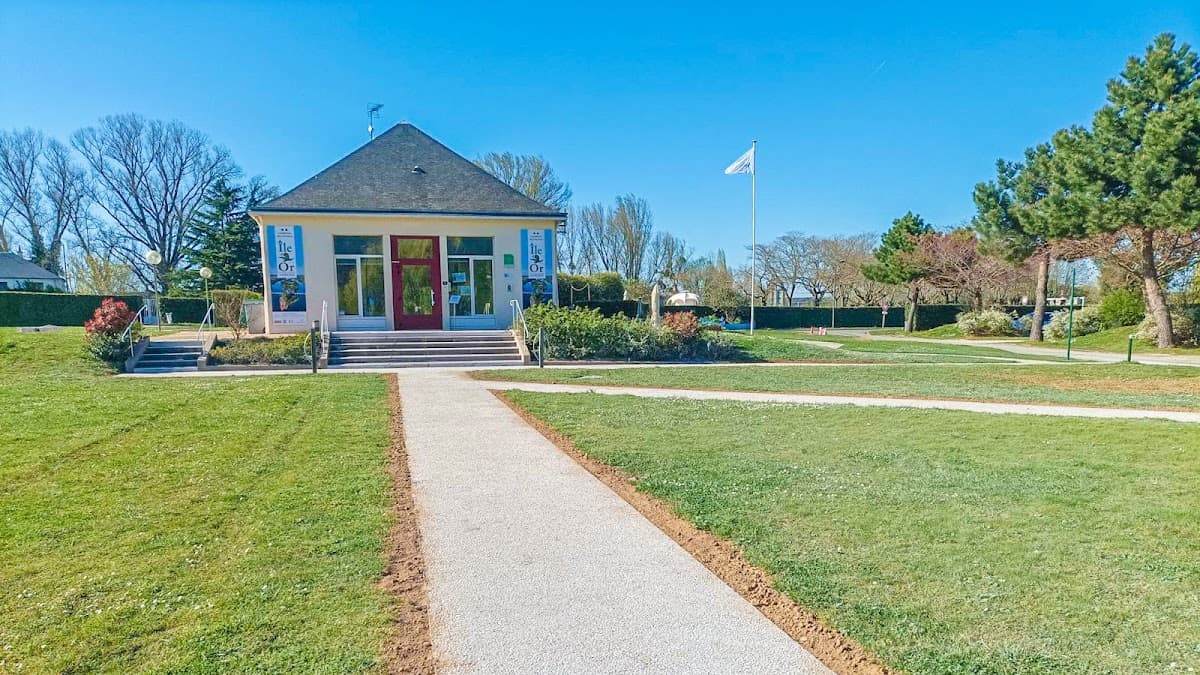
Base camp · 2 nights
Camping municipal de l'île d'Or
4.1
2,337 Google reviews
Editor's note
Two nights at Amboise. In the château's Chapel of Saint-Hubert, a stone marked LEONARDO DA VINCI lies over bones believed to be his. A few hundred metres away is Clos Lucé, where he spent his last three years and died on 2 May 1519; see his room and the forty models built from his drawings. At Chenonceau, walk the gallery that carries the house across the whole width of the Cher, and find the gardens of Diane de Poitiers and Catherine de' Medici, the two women who fought over the house. Chaumont, which Diane was made to take in exchange, opens its garden festival daily from late April to mid-October.
Amboise: The Royal Château and Leonardo's Tomb
250 XPFind Leonardo's grave in the Chapel of Saint-Hubert, then walk out to the bust of him on the terrace, standing on the footprint of the collegiate church of Saint-Florentin where he was actually buried in 1519 — the bones under the chapel slab are the ones Arsène Houssaye dug out of that site in 1863 and had moved here in 1874
0.4 km from camp
About 2 h
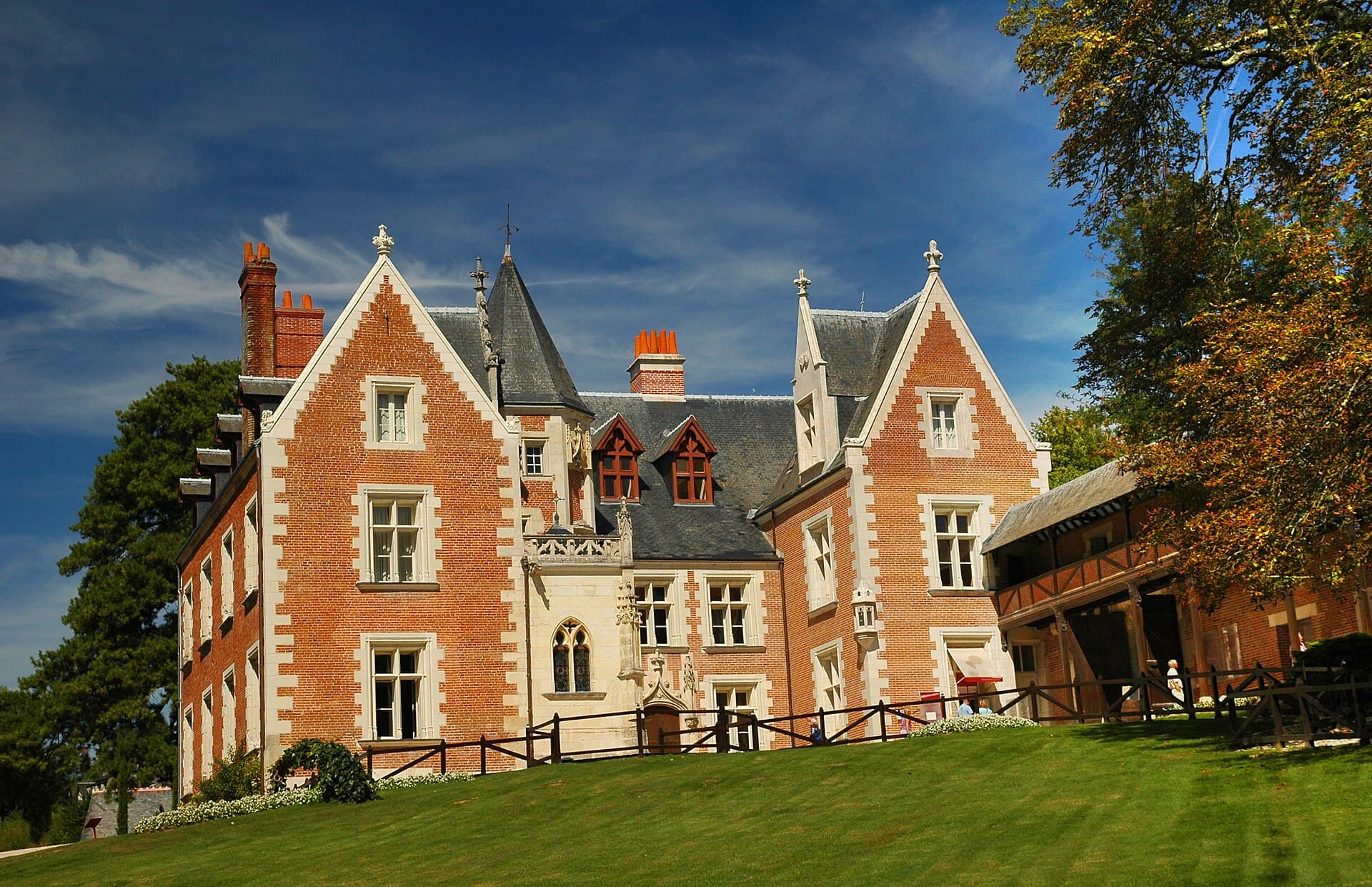
Clos Lucé: Where Leonardo Spent His Last Three Years
250 XPStand in the first-floor chamber where Leonardo died on 2 May 1519, and notice that everything in it is a guess: the room was restored in 2011 and furnished with period objects from elsewhere, because no description of the rooms he actually used survives and none of his furniture does
0.8 km from camp
About 3 h
Chenonceau: The Château Built Across the Cher
250 XPWalk the 60 m of Catherine de' Medici's gallery from bank to bank, counting the eighteen windows, and notice how narrow it is — six metres, the width of Diane de Poitiers's bridge underneath it
12 km from camp
About 3 h
Chaumont-sur-Loire: The Château Diane Was Forced to Take
250 XPWalk all twenty festival gardens — each about 210 m², each the winning entry in that year's international competition — work out the theme they were all set, and pick the one that answered it best
16.2 km from camp
About 4 h
Walks from camp
Days 10–11 · 2 nights
Blois and Chambord
42 km · 54 min from Amboise and Chenonceau
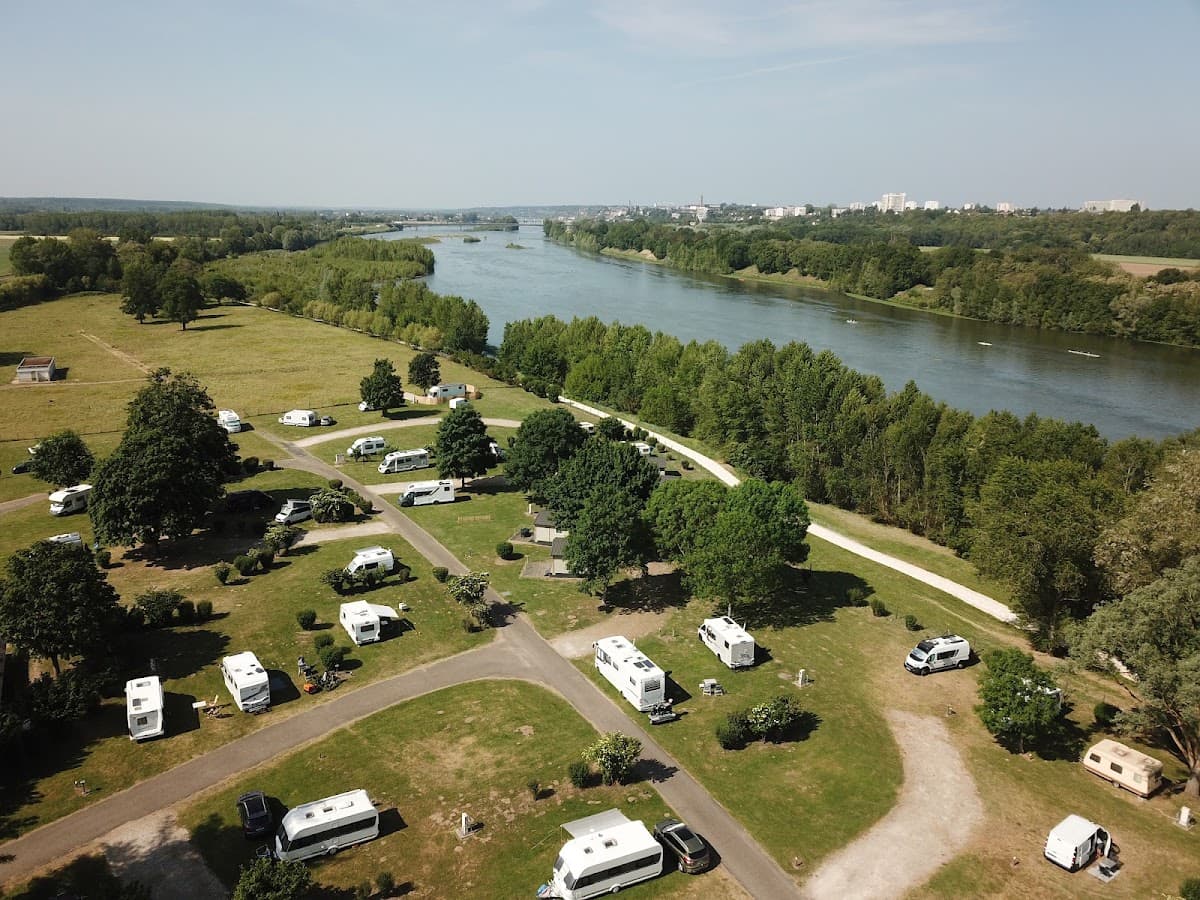
Base camp · 2 nights
Val de Blois Campground
4.2
1,380 Google reviews
Editor's note
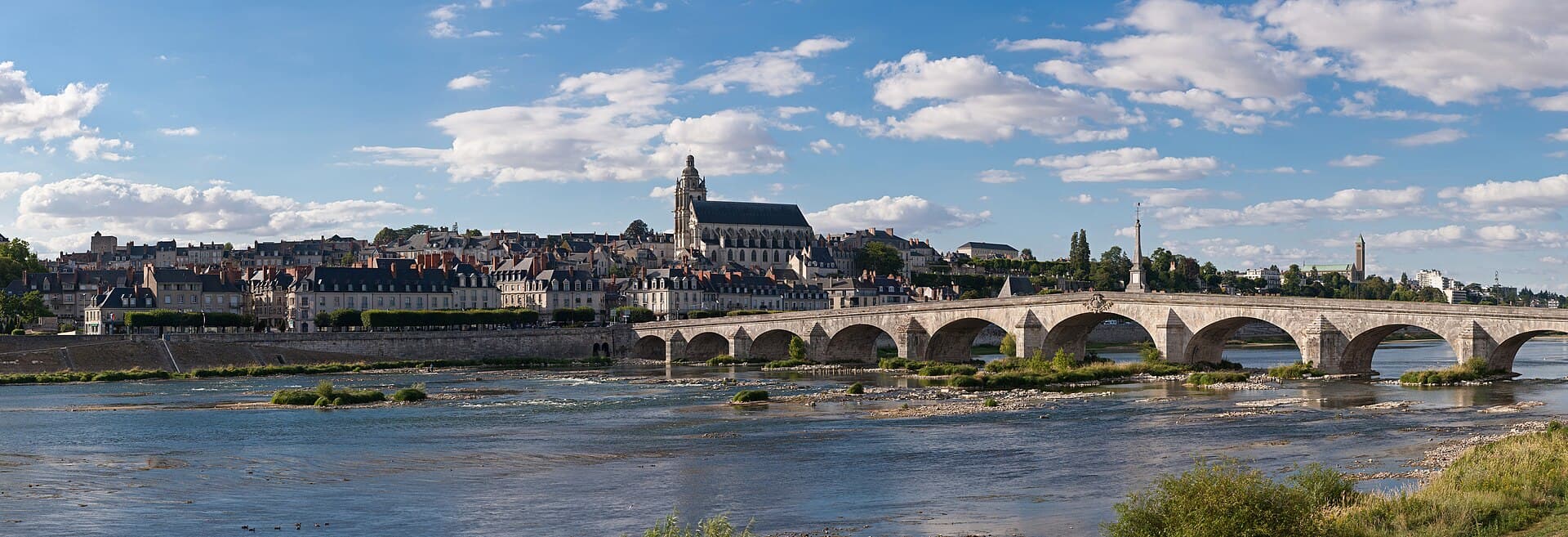
Two nights by Blois. In the château courtyard, four wings show four periods at once; climb Francis I's carved spiral staircase and follow the murder of the Duke of Guise, on 23 December 1588, through the rooms where it happened. At Chambord, the largest château in the Loire Valley, climb the double-spiral staircase, whose two flights never meet, and go up onto the roof terraces among the towers and chimneys. Cheverny, still lived in by the Hurault family, was Hergé's model for Moulinsart and keeps a pack of around 120 hounds. At Beauregard, the Galerie des Illustres holds 327 portraits.
Blois: Four Centuries in One Courtyard, and a Murder
250 XPStand in the courtyard and sort out what you are looking at: three wings — Louis XII's brick-and-stone Flamboyant Gothic, Francis I's Renaissance, Gaston of Orléans's Classical one left unfinished in 1638 — and the medieval traces of the counts' castle behind them, four periods in one square
4 km from camp
About 3 h
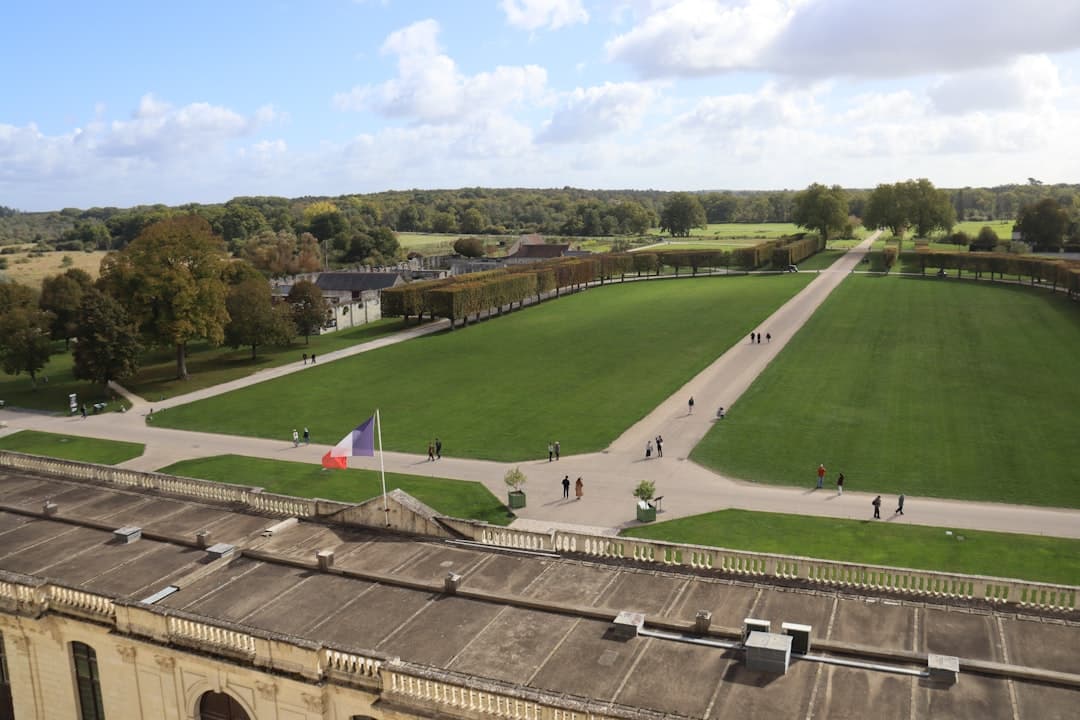
Chambord: Francis I's Hunting Lodge and the Double Staircase
250 XPSend half your party up one flight of the double staircase and half up the other, and watch each other through the openings the whole way without ever meeting; at every level notice that the stair opens into four vestibules laid out as a cross, one for each quarter of the keep, and keep going until it puts you out on the terrace
10.8 km from camp
About 4 h
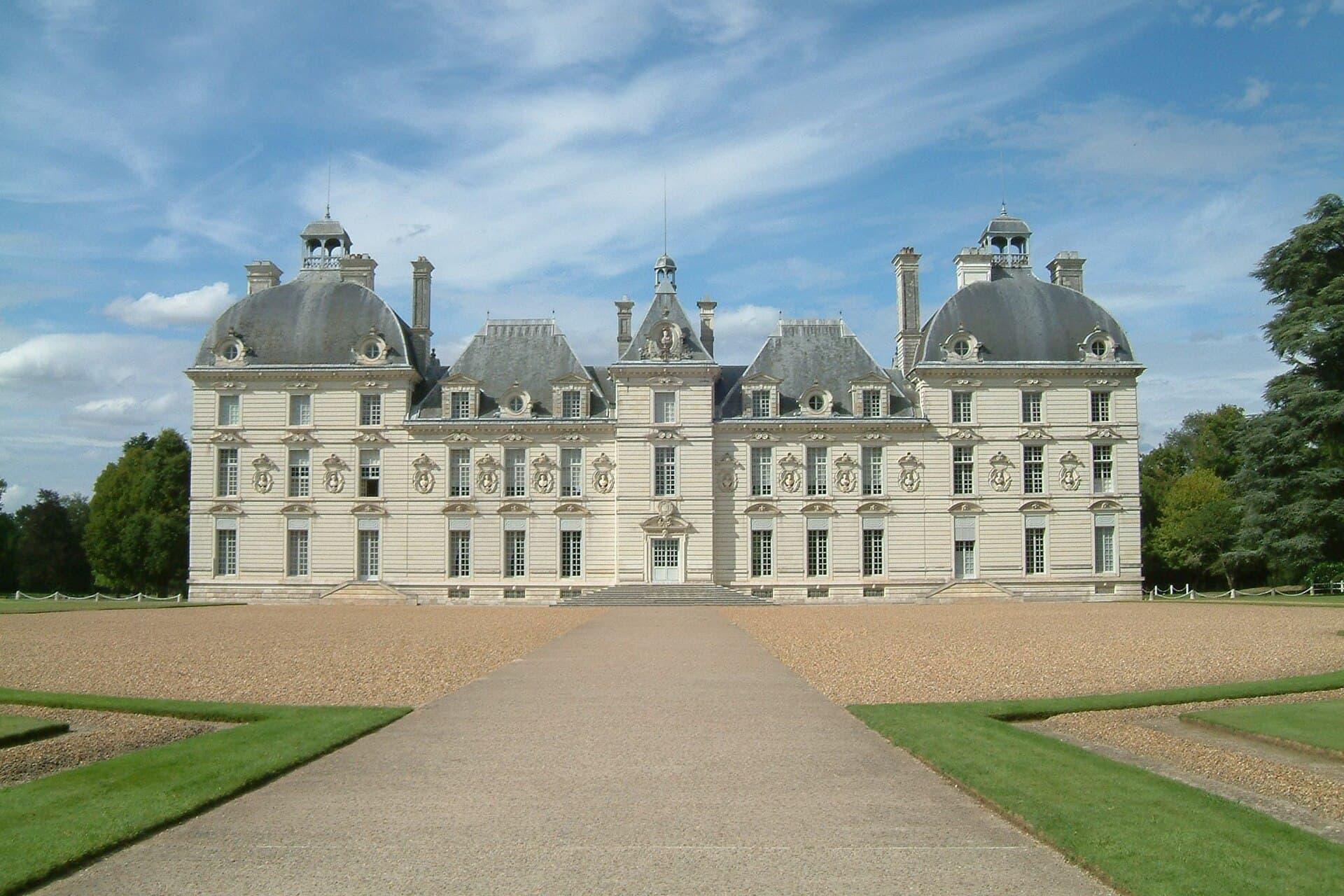
Cheverny: Moulinsart and a Pack of a Hundred Hounds
225 XPStand in front of the south façade and work out which two end pavilions Hergé left off Moulinsart, then look at what the front is made of — pierre de Bourré, a tuffeau from a village down the road that whitens and hardens as it weathers, which is why the façade is this colour — and count the Roman emperors' busts set into it
13.3 km from camp
About 4 h
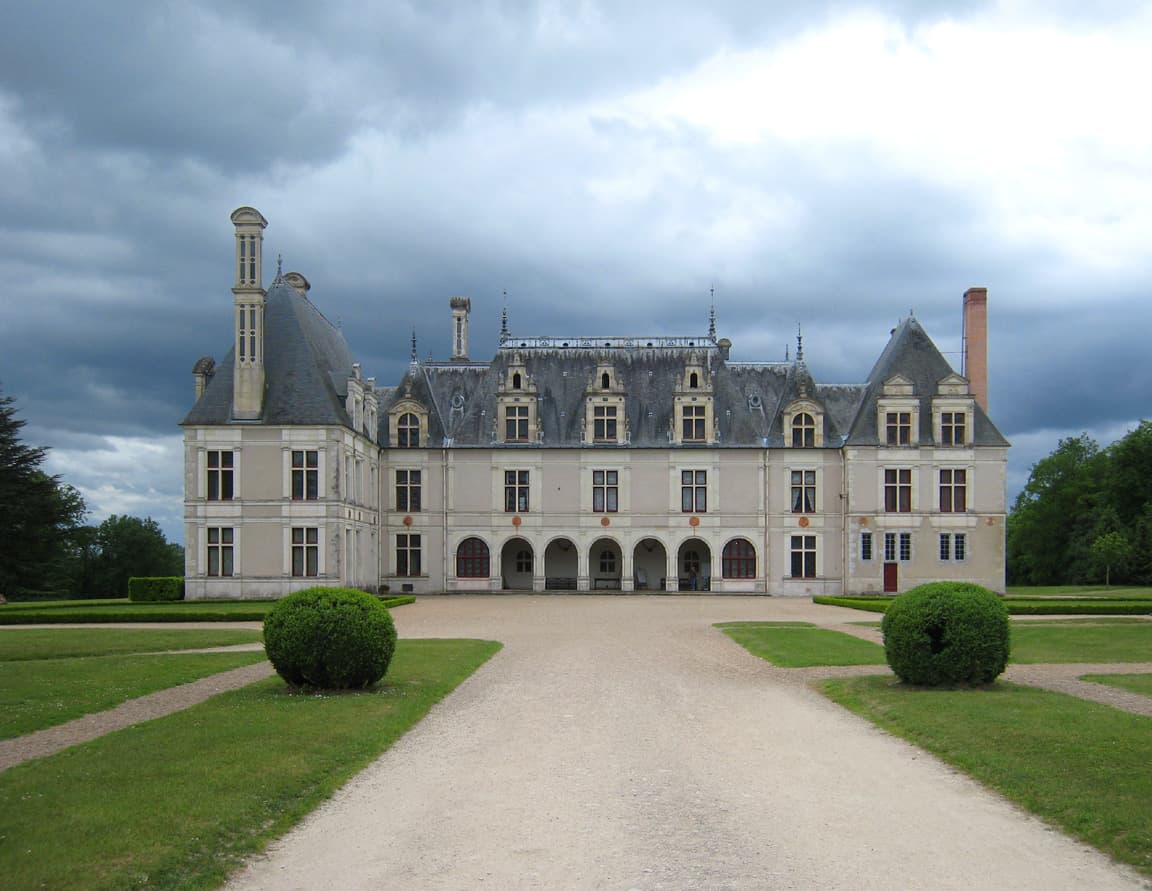
Beauregard: A Gallery of 327 Portraits
225 XPWalk the 26 metres of the gallery and read the hang: 327 canvases of about 55 by 45 cm, three tiers high, in twelve panels right round the room, every sitter a bust except two — and find the two, Henri IV on horseback over the chimneypiece and Louis XIII
7.6 km from camp
About 2 h
Spring to autumn only
Walks from camp
Day 12 · 1 night
Le Mans
119 km · 1 h 18 min from Blois and Chambord
Base camp · 1 night
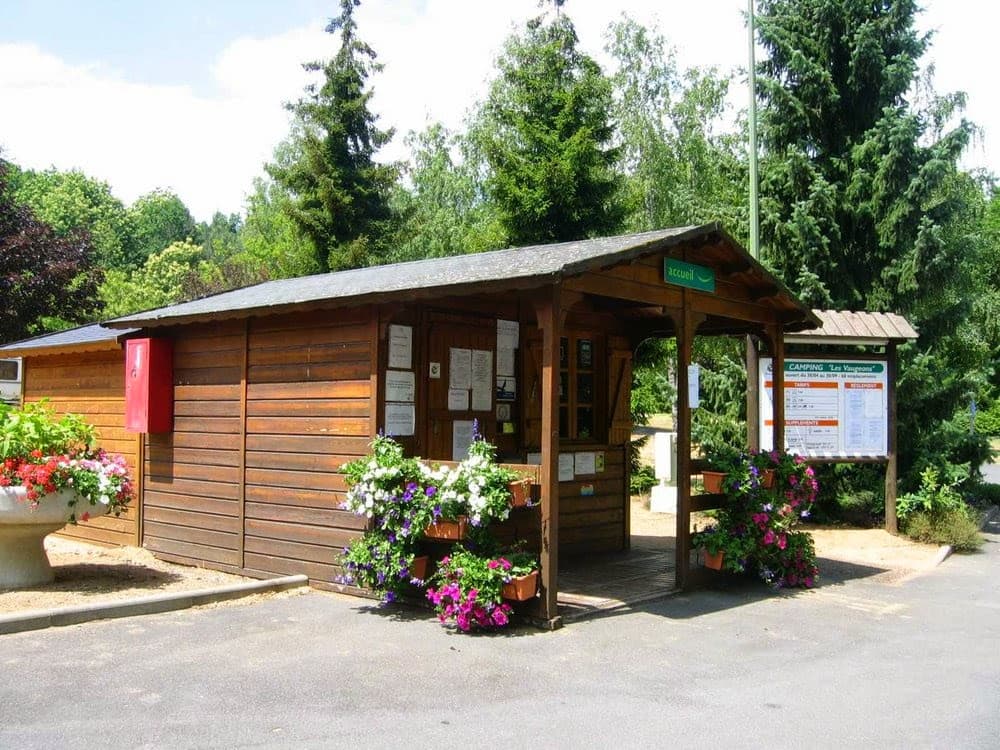
camping vaugeons
4.3
211 Google reviews
Editor's note
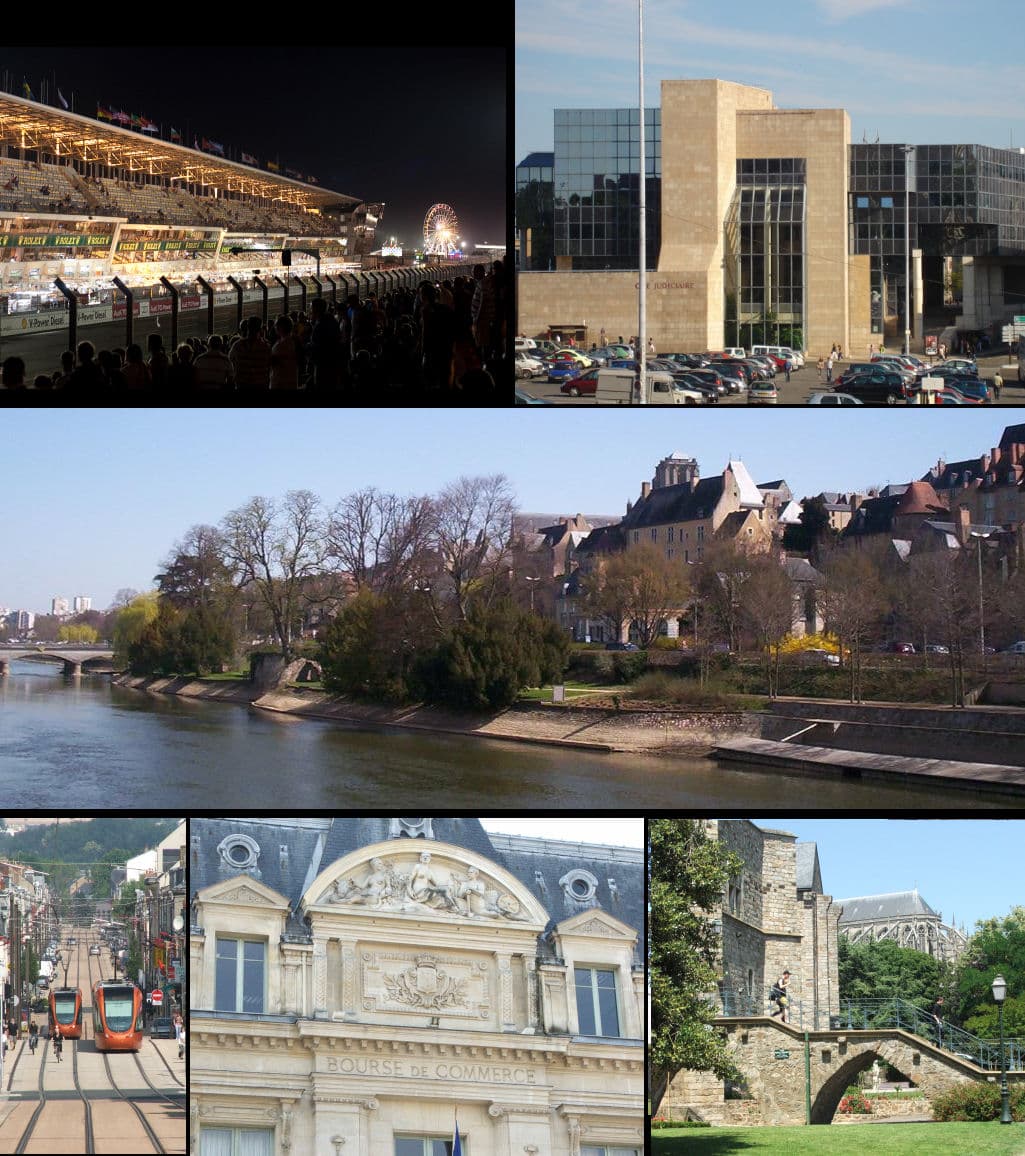
One night at Le Mans. The 24 Hours has been raced on the Circuit de la Sarthe since 1923; take the guided tour of race control, the podium and the viewpoints over the track, and visit M24, the race's museum, reopened on 28 May 2026. In the city, walk the Roman wall of the Cité Plantagenêt, with its twelve towers, and go into the cathedral of Saint-Julien. South of the city, in the forest of Bercé, walk among the 300-year-old oaks of the Futaie des Clos, some more than 50m high, and follow the trail from the Fontaine de la Coudre through two groves of sequoias.
Le Mans: The 24 Hours Circuit, the M24 Museum and the Plantagenet City
250 XPWork through the 8,600 m² of M24 at the circuit gates and find a car from each of its six disciplines — endurance, Formula One, rallying, IndyCar, motorcycle racing and Can-Am — among the 120-odd vehicles on the floor
14.7 km from camp
About 3.5 h
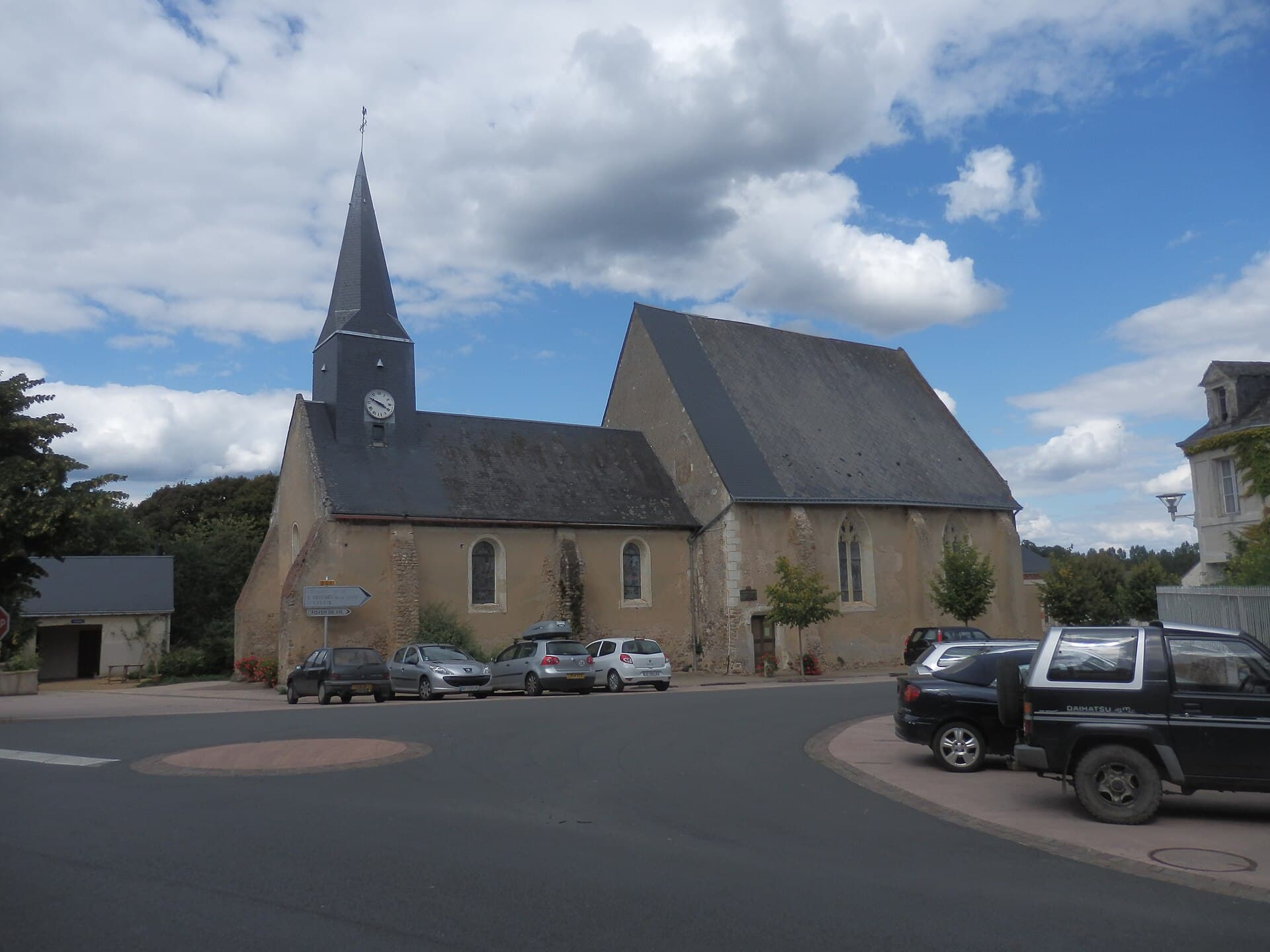
The Forest of Bercé: The 300-Year-Old Oaks of the Futaie des Clos and the Sequoias of La Coudre
200 XPIn the Futaie des Clos, planted in 1647, find the named oaks in order of height — the Roulleau de la Roussière at 51 m, the Potel at 50 m, the Boppe at 47 m, the Muriel at 43.5 m — then find the stump of the older chêne Boppe, struck by lightning on 18 December 1934 and felled on 22 July 1935 once its successor further along the path had been christened
16.9 km from camp
About 3 h
Day 13 · 1 night
Falaise and Caen
181 km · 2 h 25 min from Le Mans
Base camp · 1 night
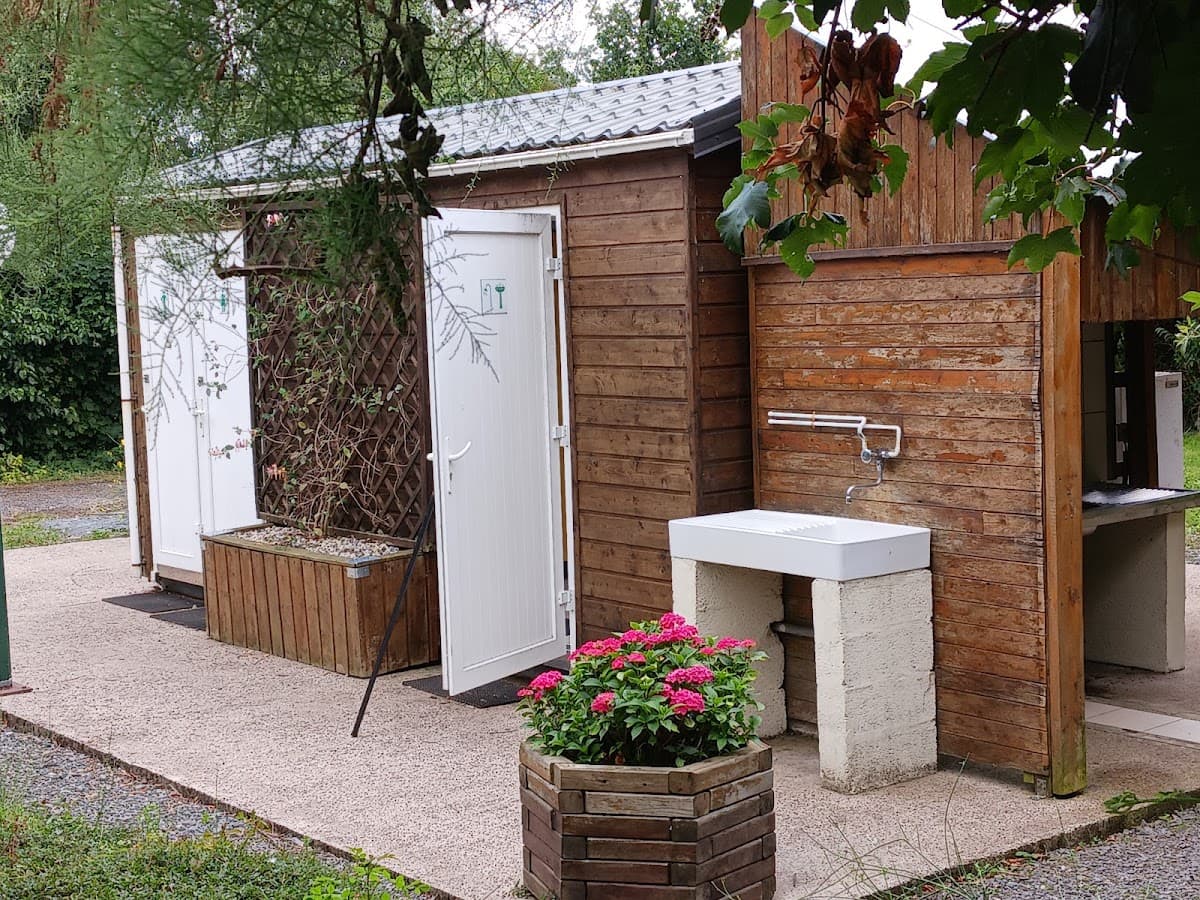
Camping Le Bout de la Ville
4.2
134 Google reviews
Editor's note
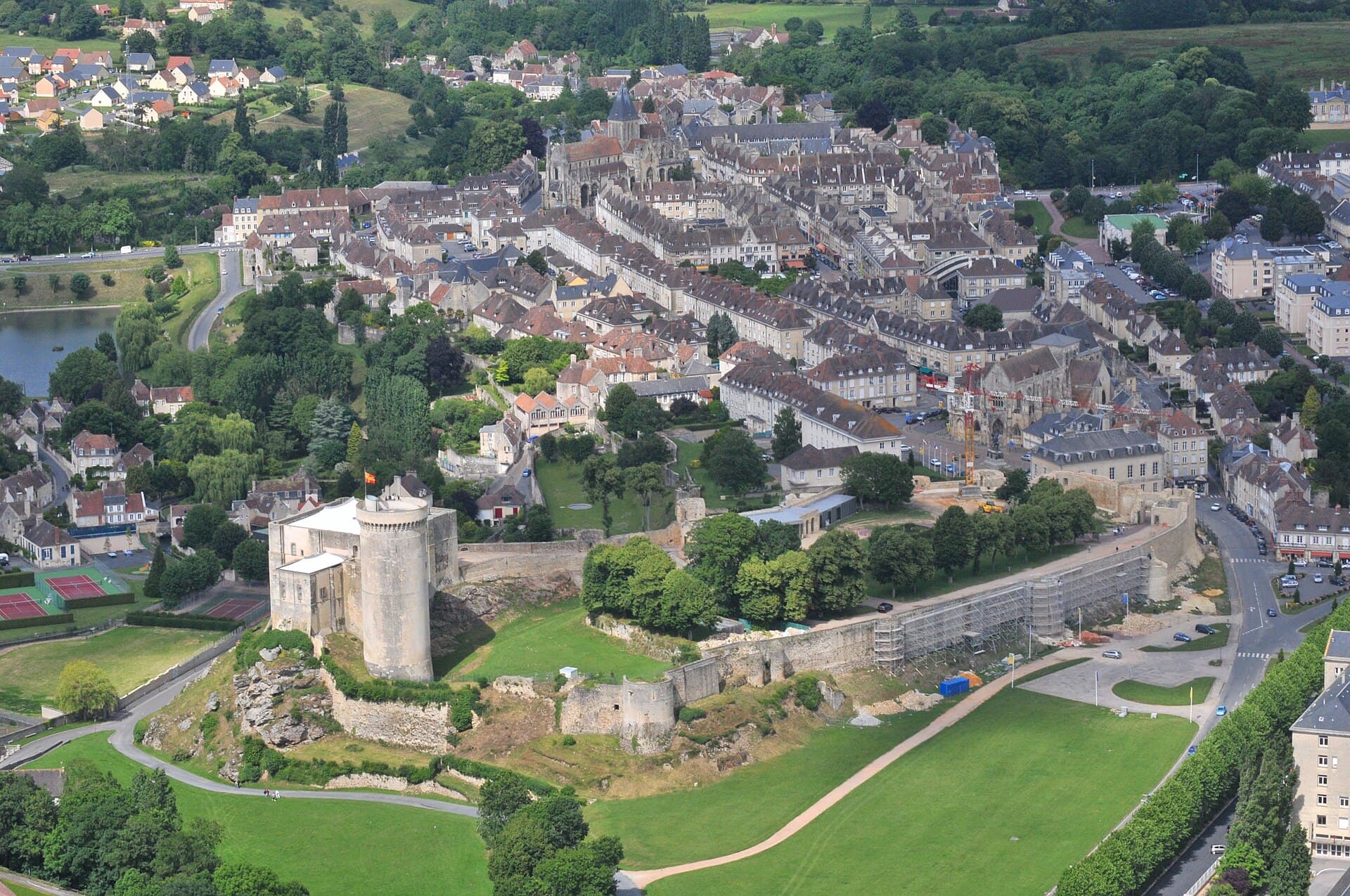
The last night before the crossing home, by Falaise and Caen. Climb the square keep of the 1120s at the Château de Falaise, where William the Conqueror was born in about 1027, and walk down to the Fontaine d'Arlette, named after his mother. The Mémorial des Civils dans la Guerre in Falaise tells how civilians lived through the Second World War. In Caen, walk the walls of the castle William built around 1060 and find his tomb in the Abbaye aux Hommes and Matilda's in the Abbaye aux Dames; the Mémorial de Caen is a museum of war and peace.
Falaise: William the Conqueror's Birthplace, Arlette's Fountain and the Civilians' Memorial
225 XPClimb the great square keep at Falaise, built about 1123-1125, and on its upper floor find the room in the north-east corner still called the chambre d'Arlette although the name is wrong, and the two-storey chapel dedicated to saint Prix built into the south-east wall
25.4 km from camp
About 3 h
Caen: William the Conqueror's Castle, the Two Abbeys and the Mémorial
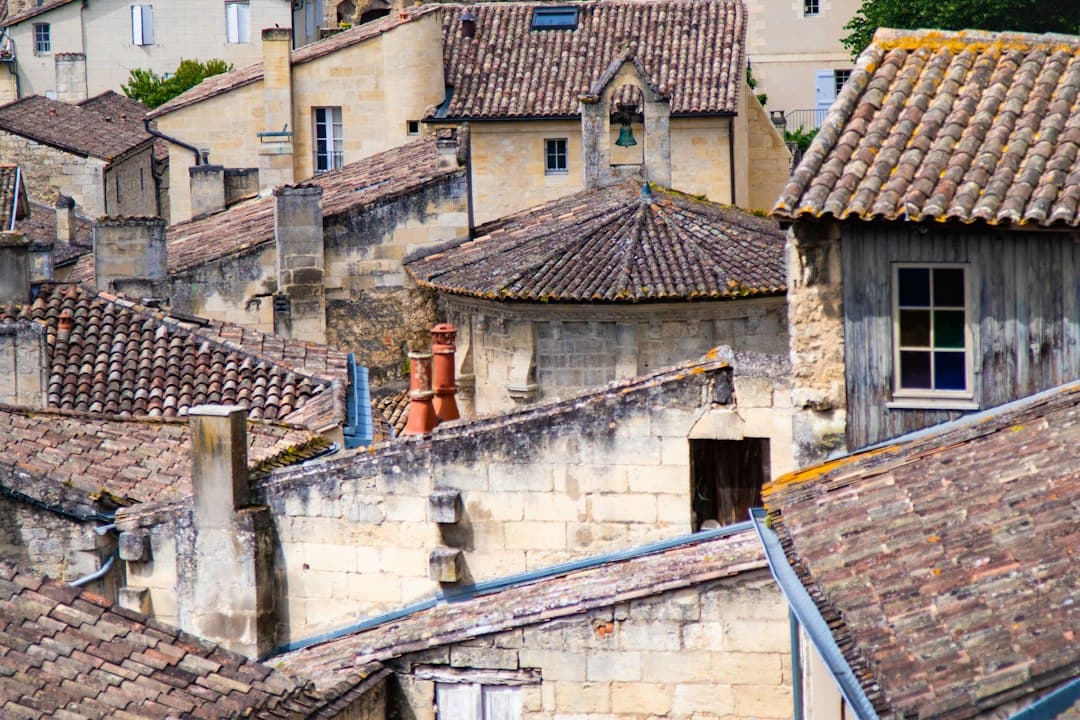
250 XPWalk the full 850 m of the castle rampart round all 5.5 hectares, counting the eleven square towers Henry I added, then find the foundations of the keep he built about 1120 beside the north gate — a castle inside the castle — and go into the salle de l'Échiquier, the great hall where Henry II received the king of France in 1158 and again in 1173
11.9 km from camp
About 3.5 h
Walks from camp
Finish the guide, earn 6,025 XP
25 challenges across 9 stops.
More from the ferry at Cherbourg
Other trips that start and finish at the same port.
A long weekend · 4 nights
The Cotentin: A Long Weekend from Cherbourg
4 nights · 3 stops · 5 challenges
About a week · 5 nights
The D-Day Beaches and Bayeux from Cherbourg
5 nights · 3 stops · 5 challenges
About a week · 7 nights
Mont-Saint-Michel and Saint-Malo from Cherbourg
7 nights · 4 stops · 11 challenges