Avandra Field Guide · Hauts-de-France, France
The Western Front: Crécy, Azincourt and the Somme
7
nights
328
km driving
8
challenges
2,000
XP to earn
7
nights
328
km driving
8
challenges
2,000
XP to earn
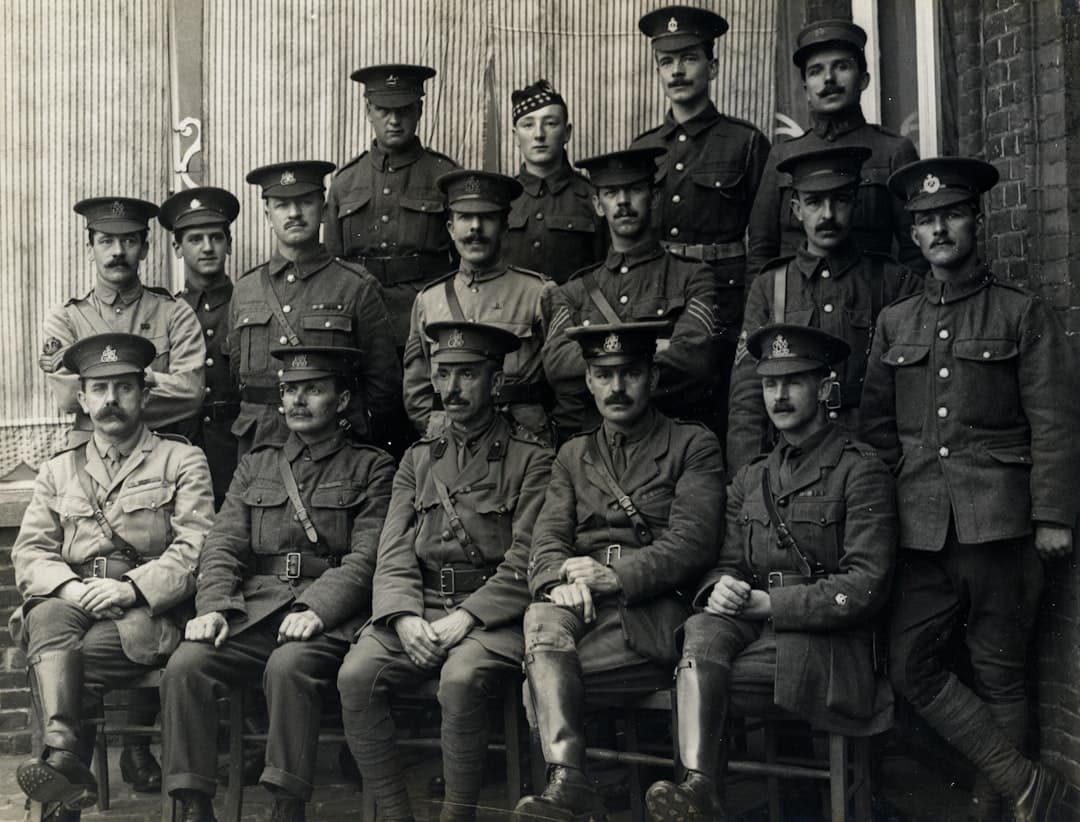
This ground was fought over three times, and the route follows it in the order the fighting came. On 26 August 1346 Edward III beat Philip VI at Crécy; on 25 October 1415 Henry V's archers routed the French at Azincourt; and from 1914 to 1918 the same country was fought over again, on the Artois ridges, at Arras, on the Somme and at Cambrai. From Abbeville the way runs through Artois to the Somme and ends at Cambrai, 328 kilometres in seven nights. The medieval battlefields are quiet places: a viewpoint where a windmill stood, a memorial in a town square, a model of two armies. What comes after is on another scale, and the two are only a short drive apart. Between them stands Montreuil-sur-Mer, a walled town whose ramparts Vauban remodelled and which became the British army's headquarters in 1916.
Best from April to October
328 km of driving in total, about 6 hours over 7 days
Crécy and Saint-Riquier: The Battlefield of 1346, the Blind King and the Flamboyant Abbey
Edited by Avandra
Day 1 · 1 night
Abbeville and Crécy
7 km · 11 min from Abbeville
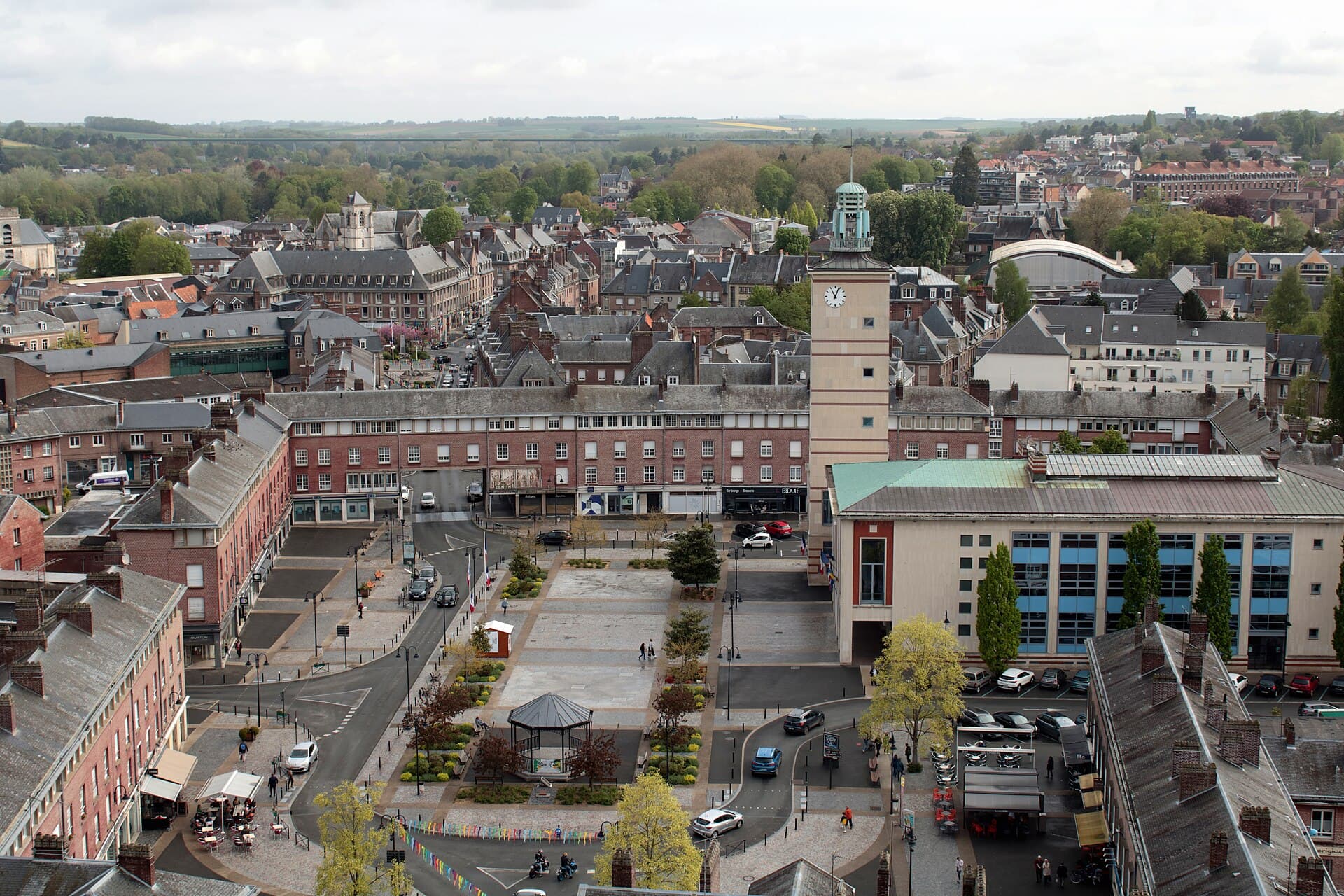
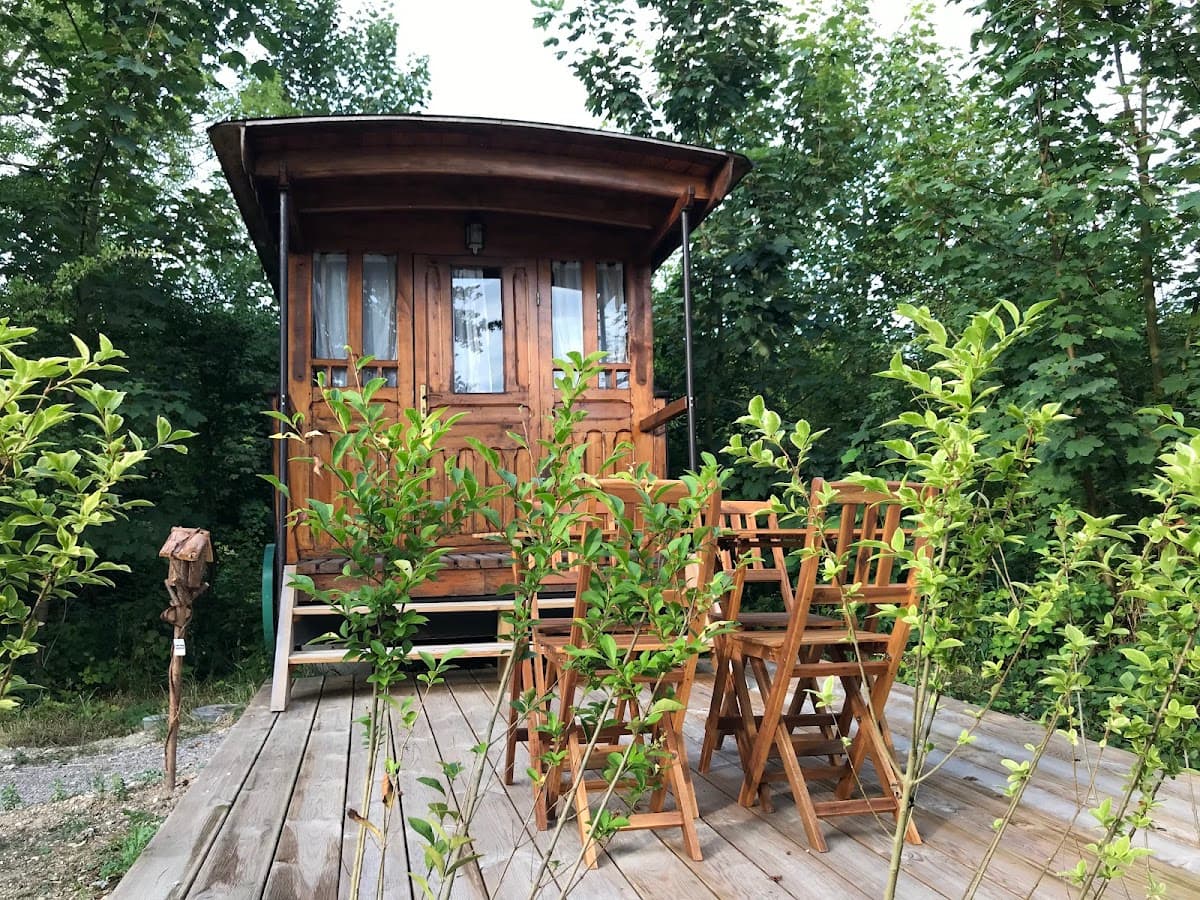
Base camp · 1 night
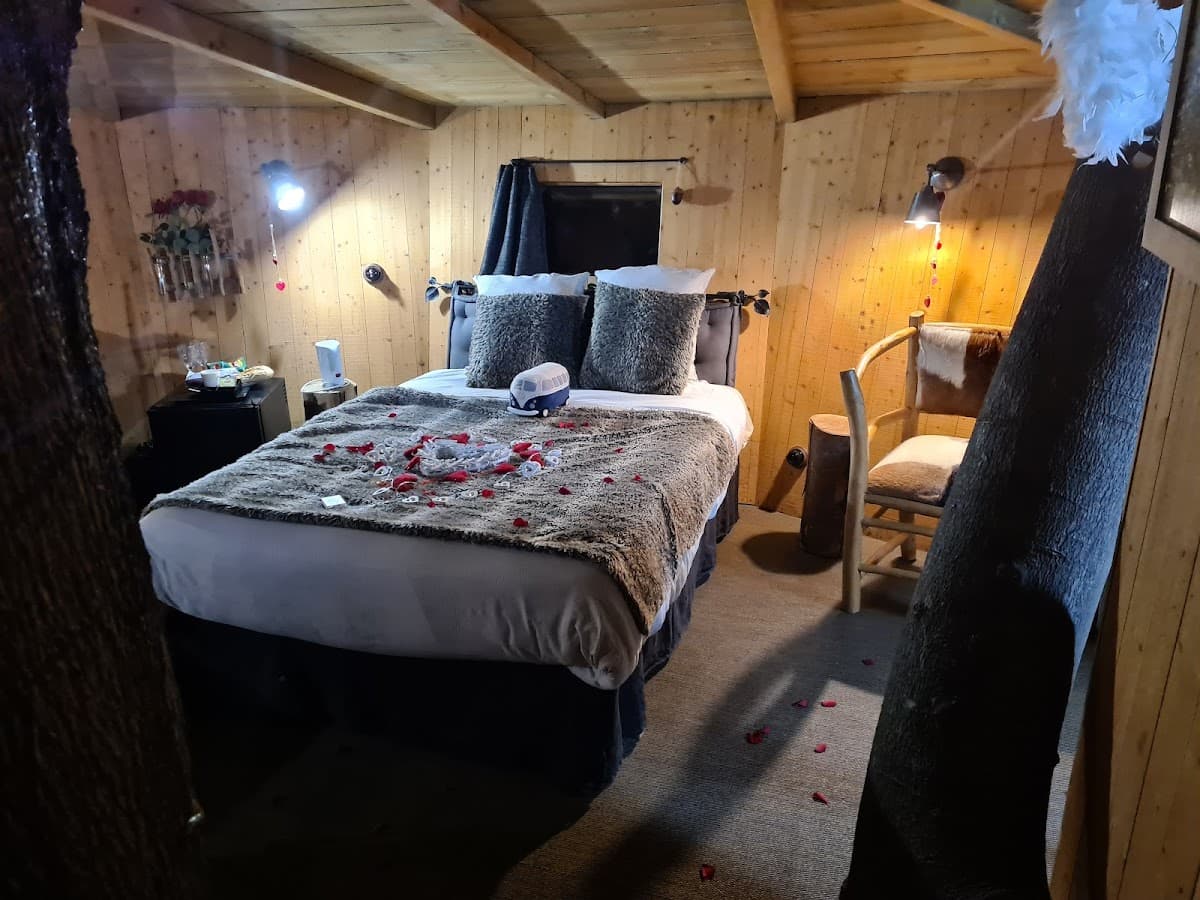
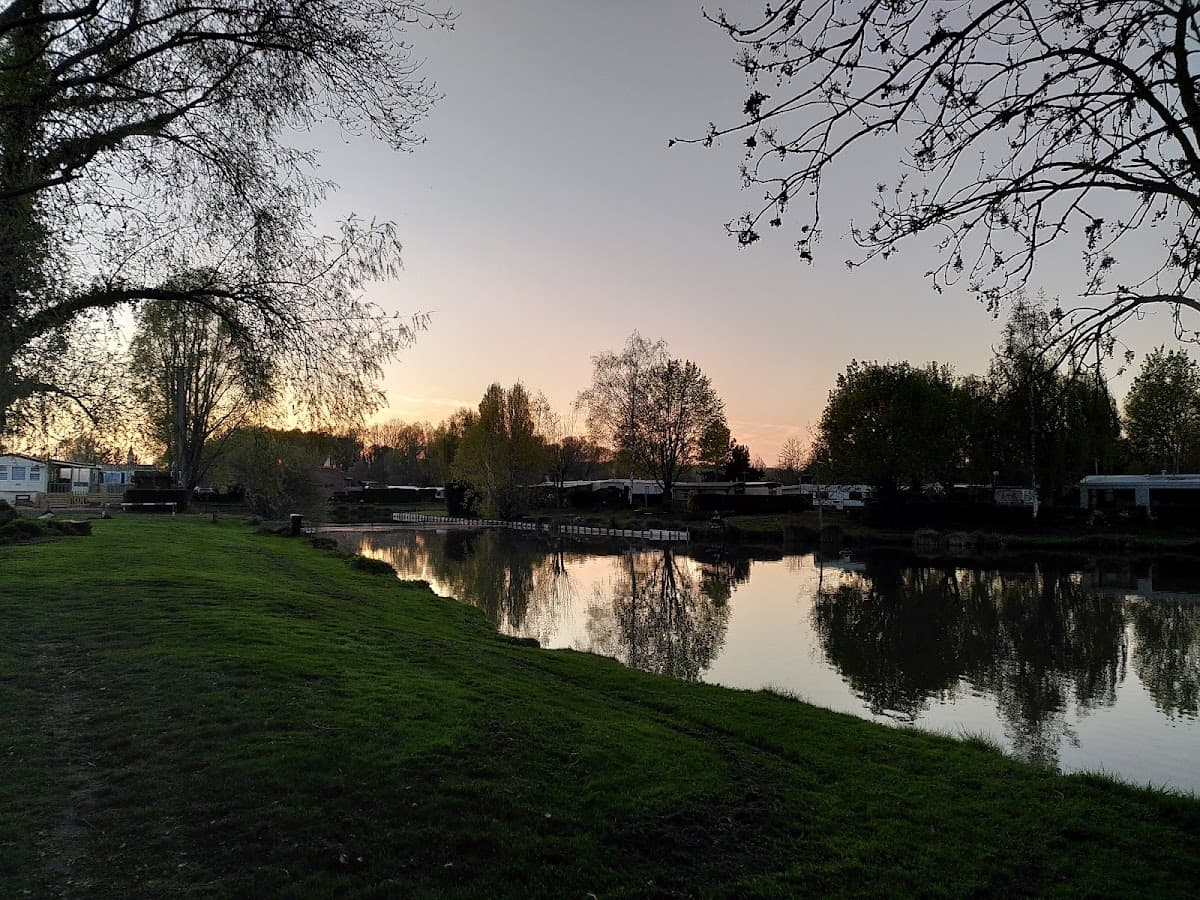
Le Château des Tilleuls
4.3
833 Google reviews
Editor's note
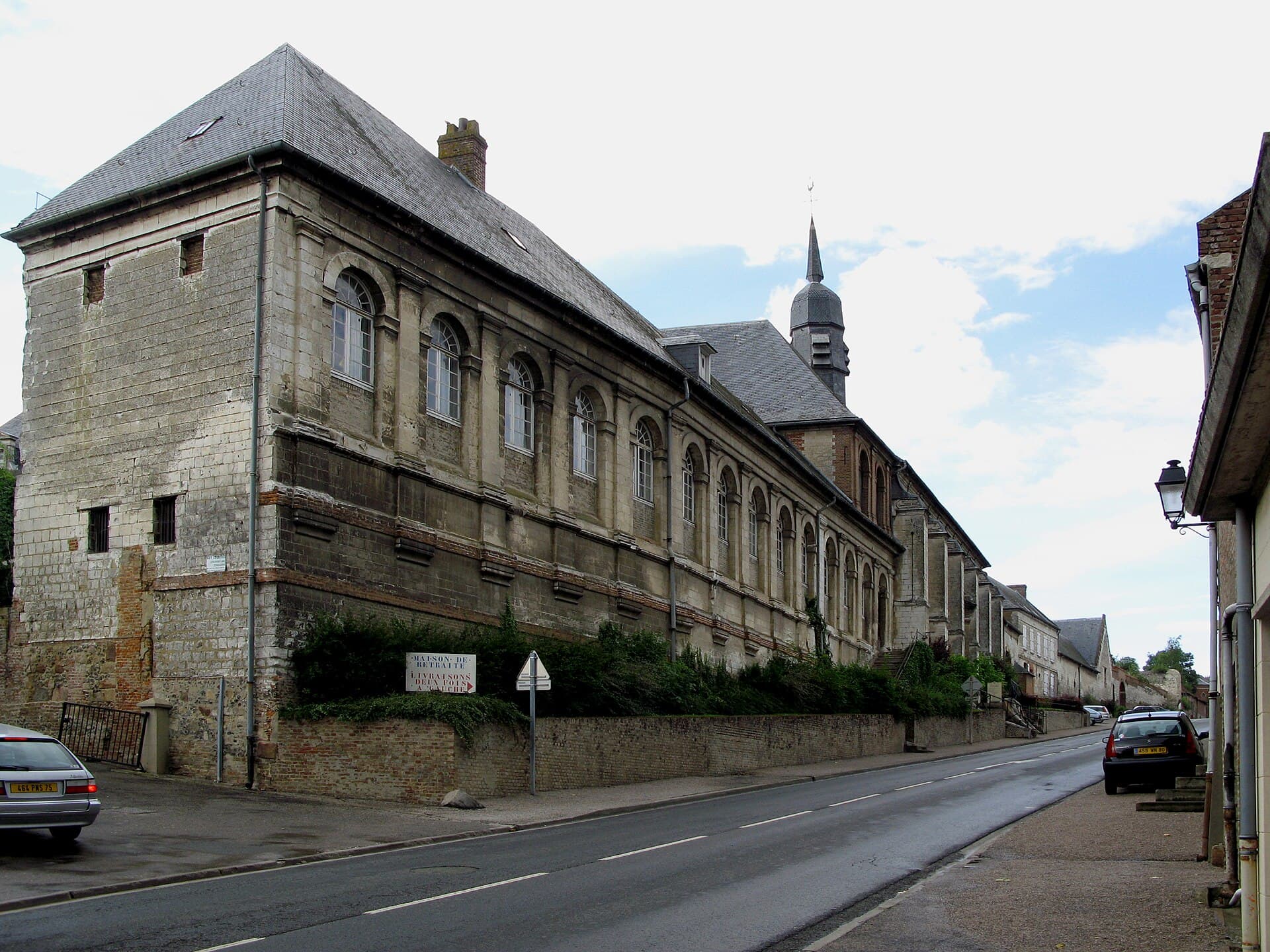
One night at Port-le-Grand, beside Abbeville. The collegiate church of Saint-Vulfran, begun on 7 June 1488, is one of the most complete examples of Flamboyant Gothic in maritime Picardy, and the Musée Boucher-de-Perthes, beside the belfry of 1209, is named for the man called the father of prehistory, who found Acheulean tools here. The Bagatelle, a folly built after 1752 for Abraham van Robais, is open with its gardens. Then the thread begins. On 26 August 1346, between Crécy and Estrées, Edward III's outnumbered English army crushed the knights of Philip VI. Edward is said to have watched from a windmill; a viewpoint there looks over the battlefield, and in the town square a memorial honours John of Luxembourg, the blind King of Bohemia, who died fighting for France.
Abbeville: The Flamboyant Collegiate Church, the Father of Prehistory and the Bagatelle
200 XPWork out which way the front of Saint-Vulfran faces — not west, as a church front should, but north — then find on the south portal the Assumption group carved in 1501 by Pierre Lheureux and paid for by the mercers' guild, under the twin towers that stand 55.80 m above the pavement; inside, the vault is new, because the German shelling of 20 May 1940 brought it down and the church was only given back to worship in 1998
6.3 km from camp
About 2.5 h
Spring to autumn only
Crécy and Saint-Riquier: The Battlefield of 1346, the Blind King and the Flamboyant Abbey
250 XPDrive out of Crécy on the Dompierre-sur-Authie road to the Moulin d'Édouard III and climb the two-storey wooden tower put up there in 1984: from the top, work out the ground between you and Estrées, and whether a king standing in a mill on this rise could really have seen the whole of his army's day
15.5 km from camp
About 4.5 h
Spring to autumn only
Walks from camp
Day 2 · 1 night
Azincourt and Montreuil
76 km · 1 h 27 min from Abbeville and Crécy
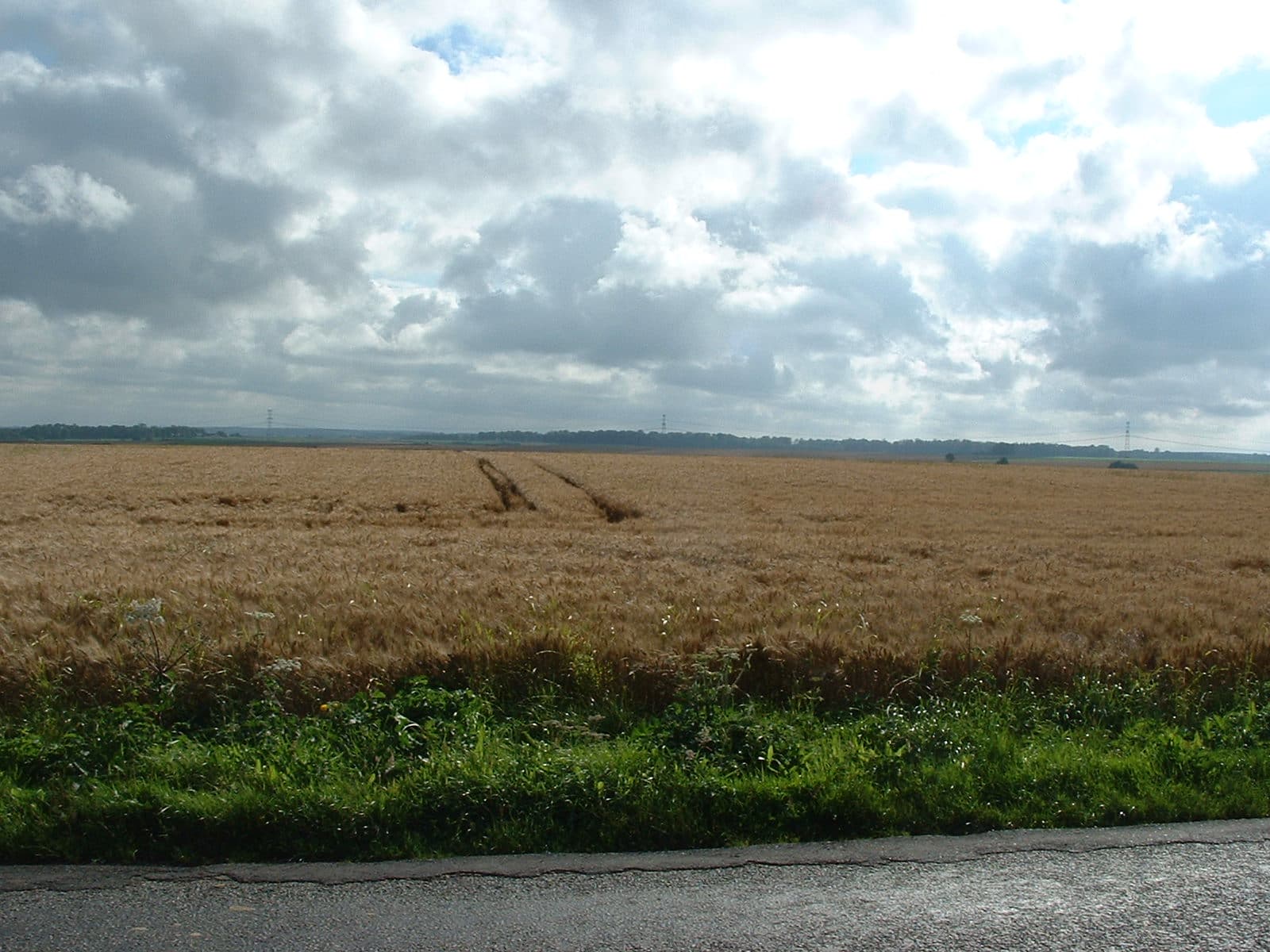
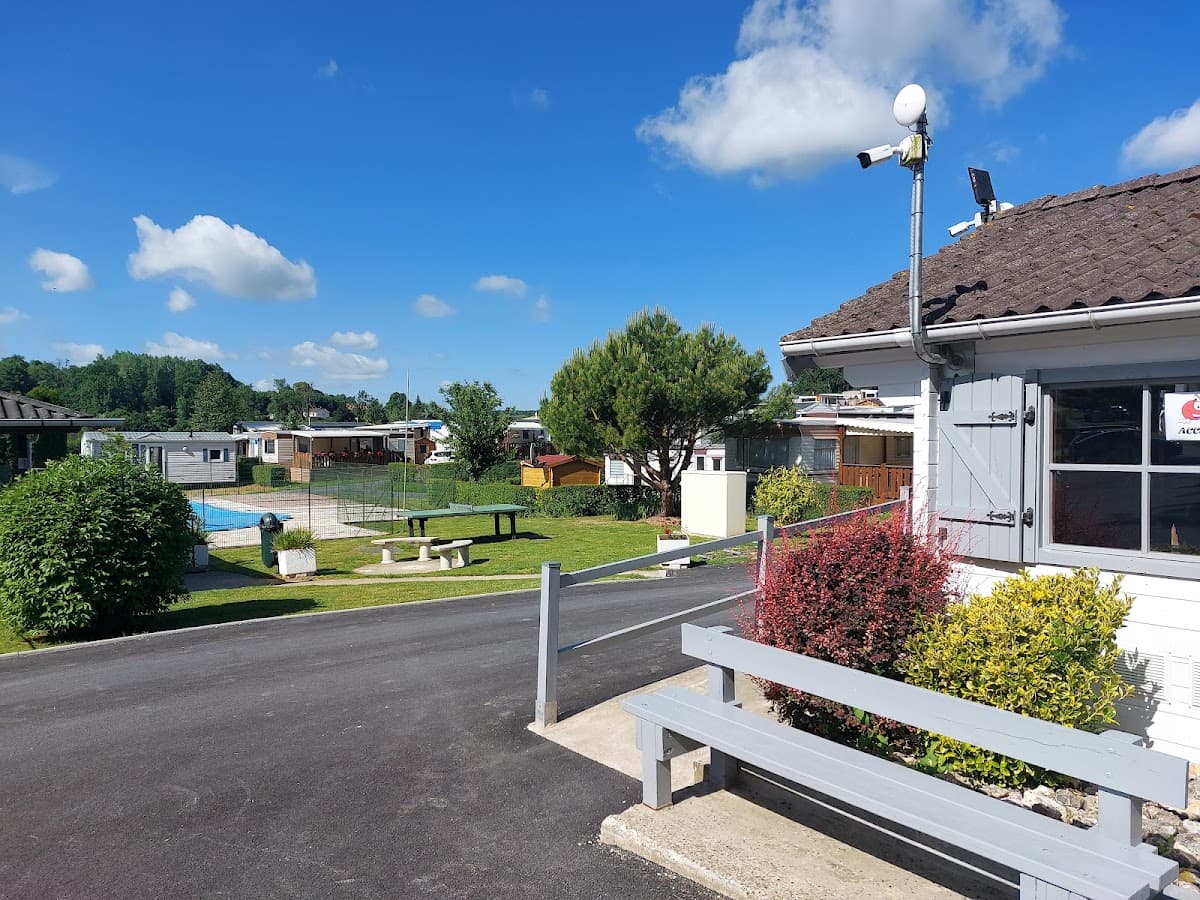
Base camp · 1 night
Camping les Pommiers
4.1
136 Google reviews
Editor's note
One night at Thiembronne, between Azincourt and Montreuil-sur-Mer. On 25 October 1415 Henry V's outnumbered English army, most of them archers, routed the French at Azincourt. A centre opened beside the field in 2019 tells the story with more than 400 medieval objects and a large model of the two armies, and a signposted circuit with an observation tower shows where they stood. Nearby are the ruins of Fressin, built by Jean V de Créqui in about 1430–1450, and Hesdin in the Canche valley, birthplace of the abbé Prévost in 1697. Montreuil-sur-Mer carries the thread forward: 3km of ramparts remodelled by Vauban, the town Victor Hugo gave to Monsieur Madeleine, and the British army's headquarters from 1916 to 1919, marked by Paul Landowski's equestrian Haig of 1931.
Azincourt: Henry V's Battlefield, Fressin Castle and Hesdin
275 XPIn the Centre Azincourt 1415, work out how 6,000 men beat a far larger army: find where Erpingham's archers stood on the flanks, the 200 he hid in the wood of Tramecourt against encirclement, and the chronicler's line about French troops wading through mud up to their knees
18.4 km from camp
About 4 h
Spring to autumn only
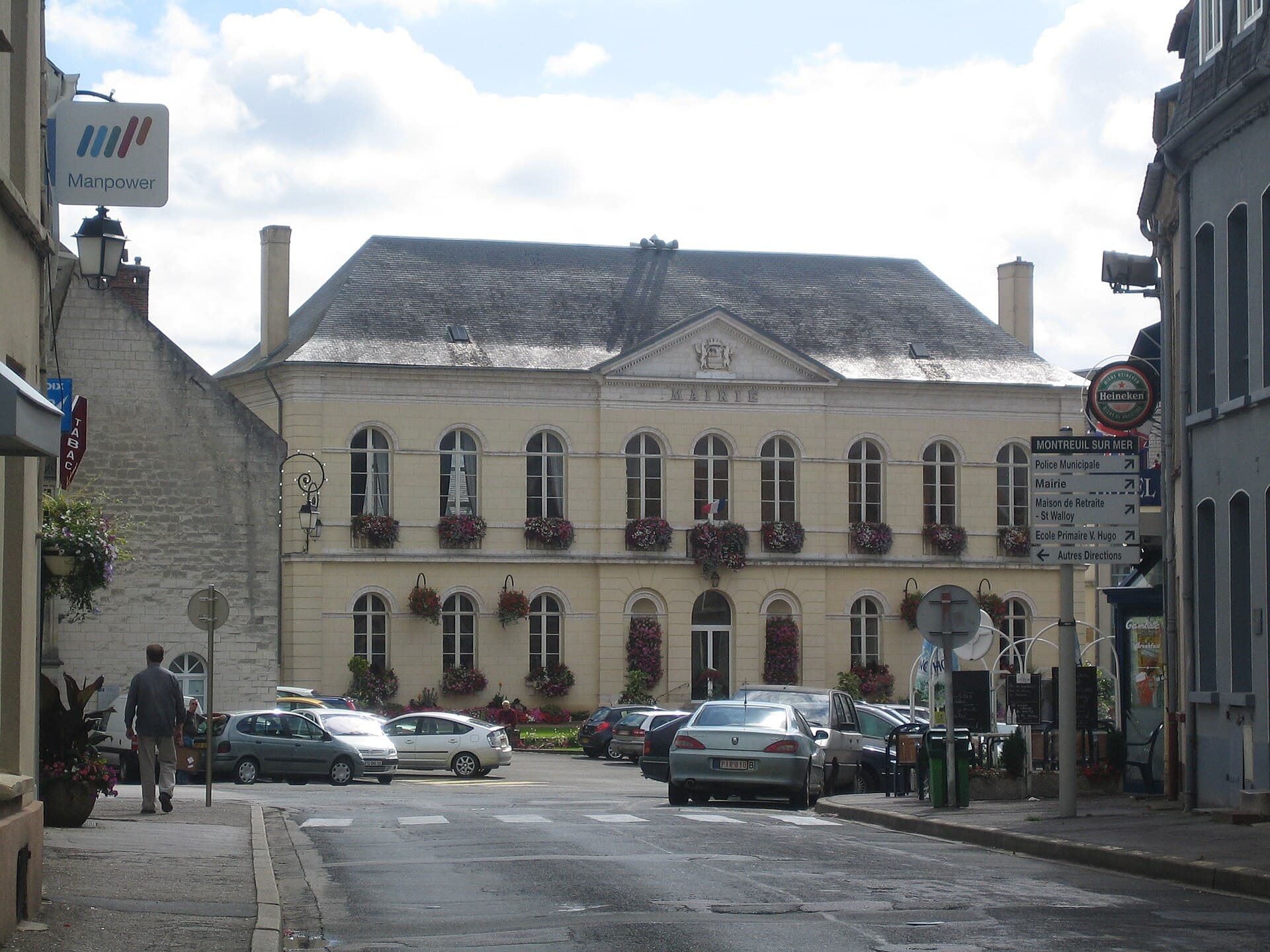
Montreuil-sur-Mer: Victor Hugo's Ramparts, the Citadel and the Gardens of Valloires
225 XPWalk the 3 km rampart promenade of the 13th and 16th centuries under its big trees, following the diversion round the stretch that collapsed in the 2023–24 floods, and from the citadel's chemin de ronde pick out the Canche below, the Canche lighthouse at Le Touquet and the wind turbines of Widehem
26.9 km from camp
About 4 h
Walks from camp
Days 3–4 · 2 nights
Arras and the Artois ridges
95 km · 1 h 42 min from Azincourt and Montreuil

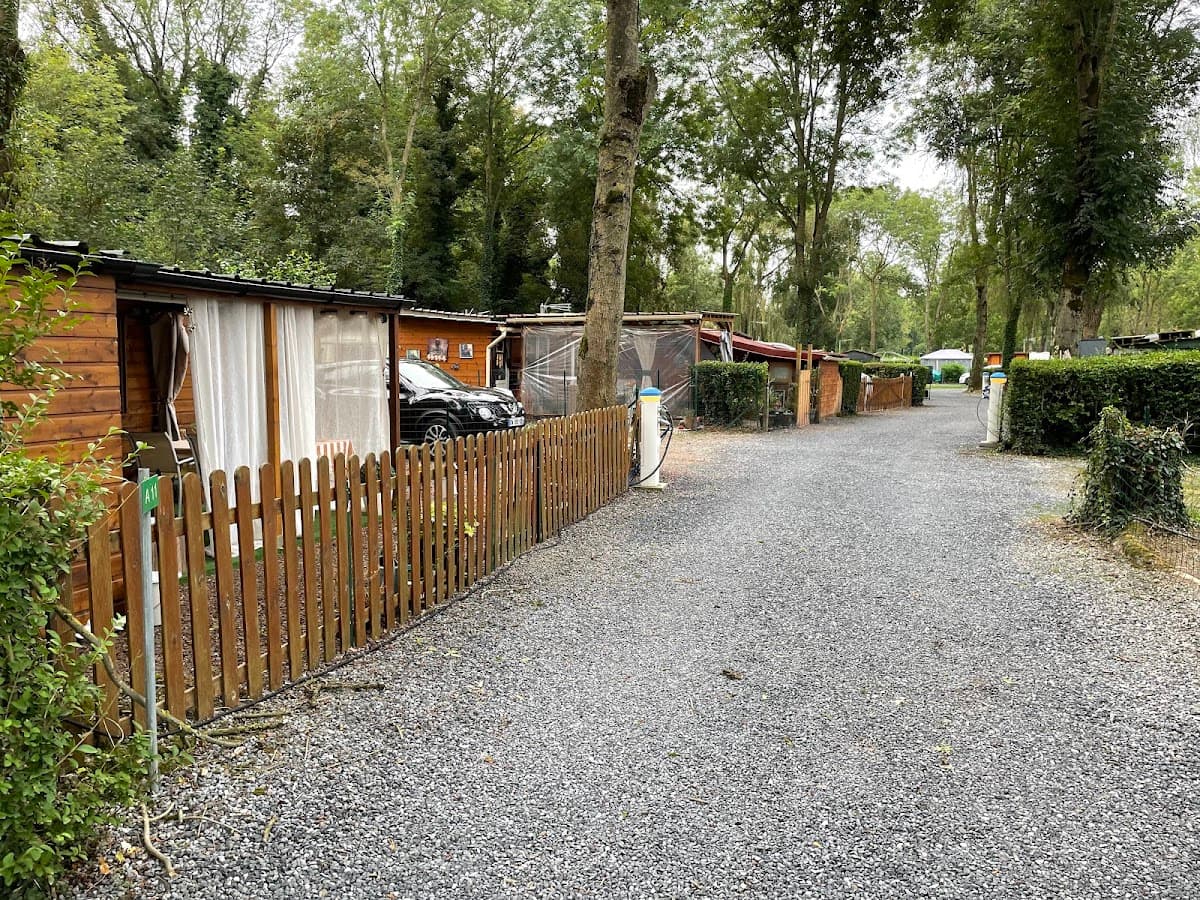
Base camp · 2 nights
Camping Municipal de Plouvain
4.1
216 Google reviews
Editor's note
Two nights at the municipal site at Plouvain, close to Arras. The ridges north of the town were fought over from October 1914 to September 1915, and three nations' dead lie a few kilometres apart. On Notre-Dame-de-Lorette, at 165 metres, the French national necropolis inaugurated in 1925 holds about 43,000 men round its basilica and lantern tower; beside it the Ring of Remembrance, there since 11 November 2014, carries 579,620 names without distinction of nationality, rank or religion. On Vimy Ridge, Walter Allward's memorial bears 11,285 Canadian names, and at Neuville-Saint-Vaast 44,833 Germans are buried. In Arras, the Flamboyant belfry of 1554 rises above the arcaded Place des Héros, and beneath the streets the Wellington Quarry holds the chalk tunnels New Zealanders cut for the battle of 1917.
Artois Battlefields: Lorette, Vimy and the Largest German Cemetery in France
300 XPFrom the lantern tower at Lorette, look north over the coalfield and south over the plain of Arras and work out why a hill of only 165 m cost 188,000 lives in a single year; go down into the crypt under the tower to the ossuary, where the unknown soldier of the Indochina war was laid in 1980, and read the line from the Book of Samuel cut over the basilica door
18.4 km from camp
About 3.5 h
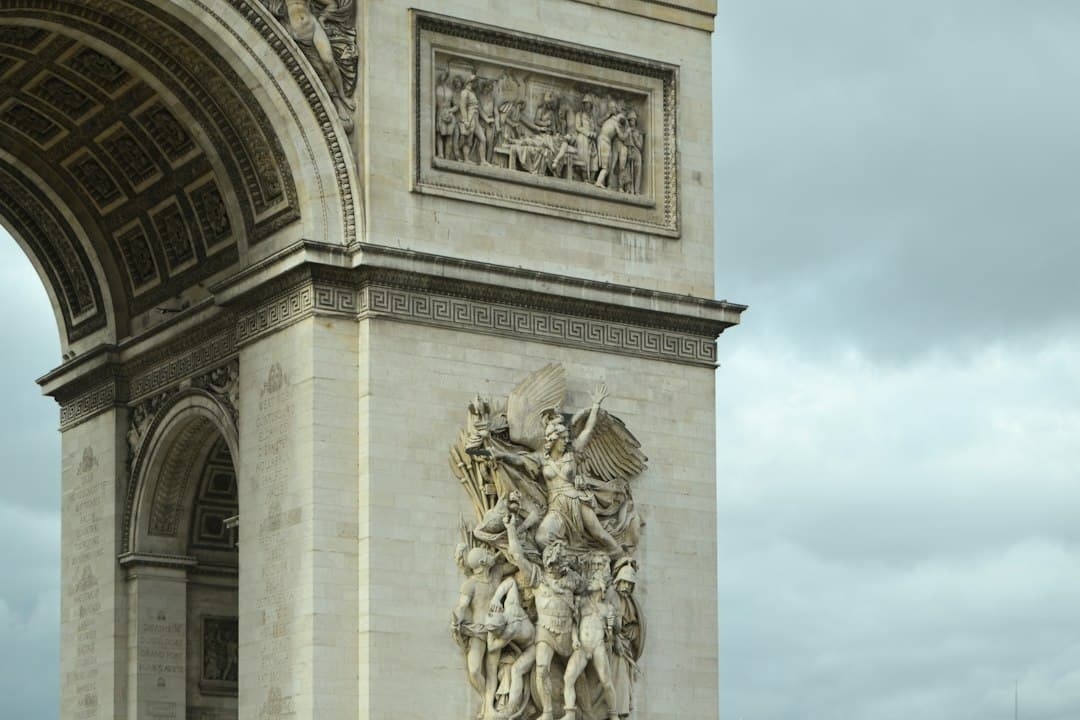
Arras: The Belfry, the Wellington Quarry and the Squares
225 XPTake the lift and the last forty-odd steps up the belfry to the gallery under the clock and look out over the whole town — at 75 m it is still the tallest thing in Arras. On the way up remember what you are inside: German artillery brought this tower down with sixty-nine shells on 21 October 1914, and it was rebuilt to the same design but with a reinforced concrete frame behind the stone. The two-metre gold lion on top, holding a sun because Louis XIV put it there, is a copy — the battered original is in the fine arts museum
10.8 km from camp
About 4 h
Walks from camp
Days 5–6 · 2 nights
The Somme
54 km · 49 min from Arras and the Artois ridges
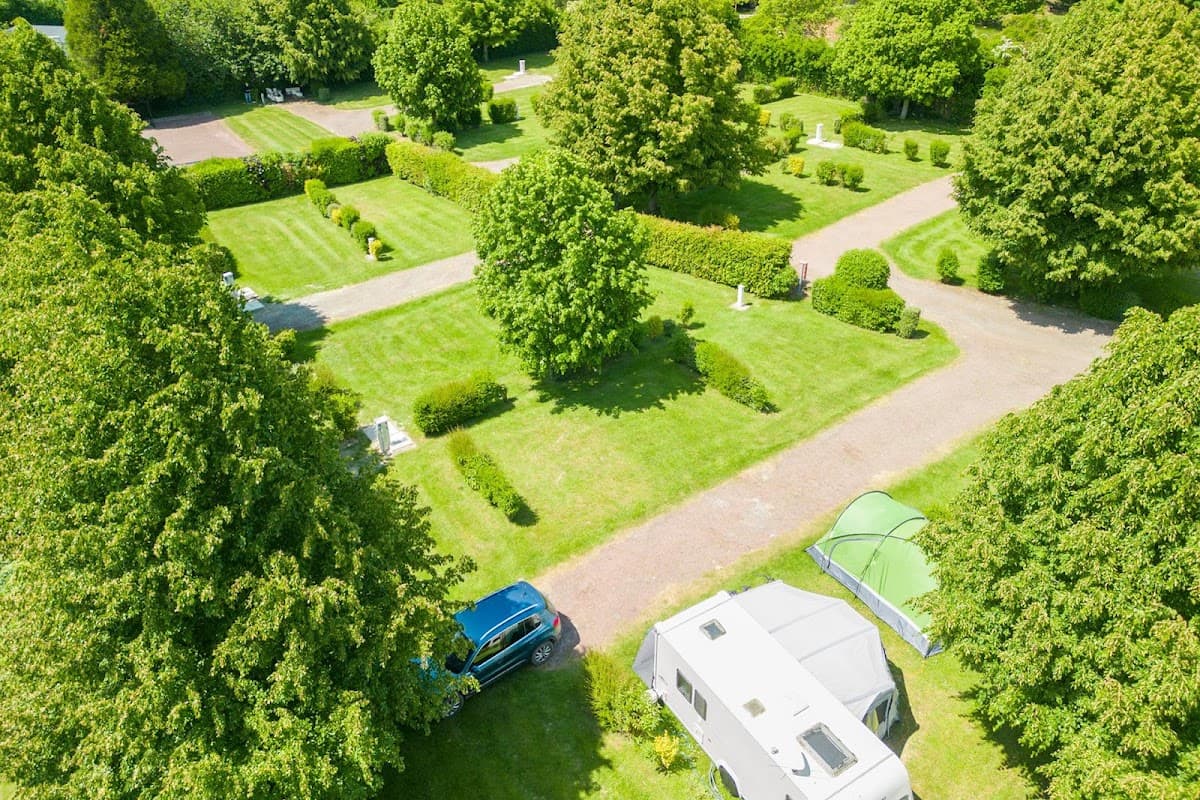
Base camp · 2 nights
Camping du Vélodrome
4.1
515 Google reviews
Editor's note
Two nights at Albert, in the middle of the 1916 battlefield. On 1 July, the first day of the Somme, a huge mine was blown at La Boisselle, and the Lochnagar Crater it left is still there to stand beside. The Thiepval Memorial to the Missing of the Somme, finished in 1932, carries more than 72,000 names; at Beaumont-Hamel the Newfoundland Memorial Park keeps its preserved trenches, and at Longueval the South African National Memorial stands in Delville Wood. Two days is not long for this, and it repays walking rather than driving. Measured against the single viewpoint at Crécy and the field at Azincourt, a few hours here show what changed between a battle fought in one afternoon and one fought for months.
Walks from camp
Day 7 · 1 night
Cambrai
75 km · 1 h 7 min from The Somme
Base camp · 1 night
Camping les colombes
4.4
487 Google reviews
Editor's note
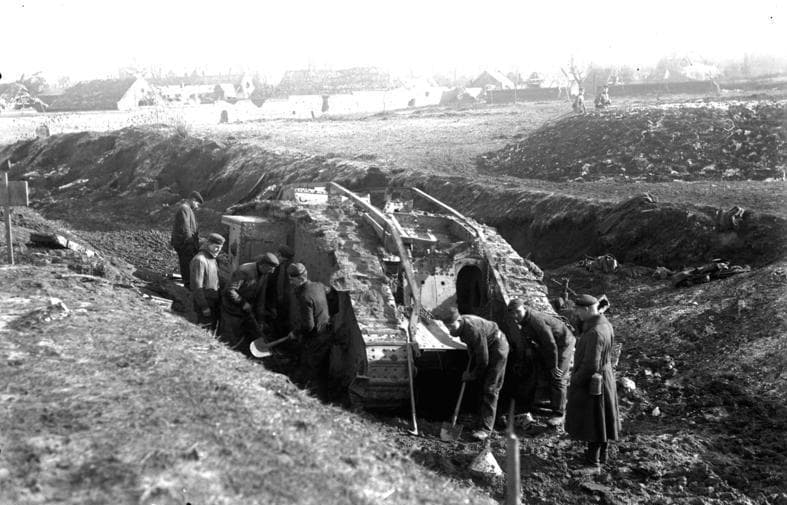
A last night at Aubencheul-au-Bac, within reach of Cambrai. On 20 November 1917 the British launched the first mass attack with tanks here, and at Flesquières the Mark IV Deborah was knocked out by a shell. Buried after the war and dug up in 1998, she has had her own centre in the village since March 2018, and the British cemetery beside it holds the graves of her crew. In Cambrai, the belfry built as the bell tower of Saint-Martin in 1447–1474 and raised to 62m in 1736 is UNESCO-listed, the last of the towers that mark this route after Abbeville and Arras. The town's mint sweets, the bêtises, with their stripe of caramel, come from a mistake in the making.
Walks from camp
Finish the guide, earn 2,000 XP
8 challenges across 5 stops.
For the history buff
Trips built on the same interest, in other countries.
Ireland · 6 nights
Ancient Ireland: The Boyne Valley and the Passage Tombs
6 nights · 4 stops · 9 challenges
England · 7 nights
Hadrian's Wall and the Edge of the Empire
7 nights · 5 stops · 10 challenges
Ireland · 6 nights
Medieval Ireland: Kilkenny, Jerpoint and the Viking Triangle
6 nights · 4 stops · 9 challenges