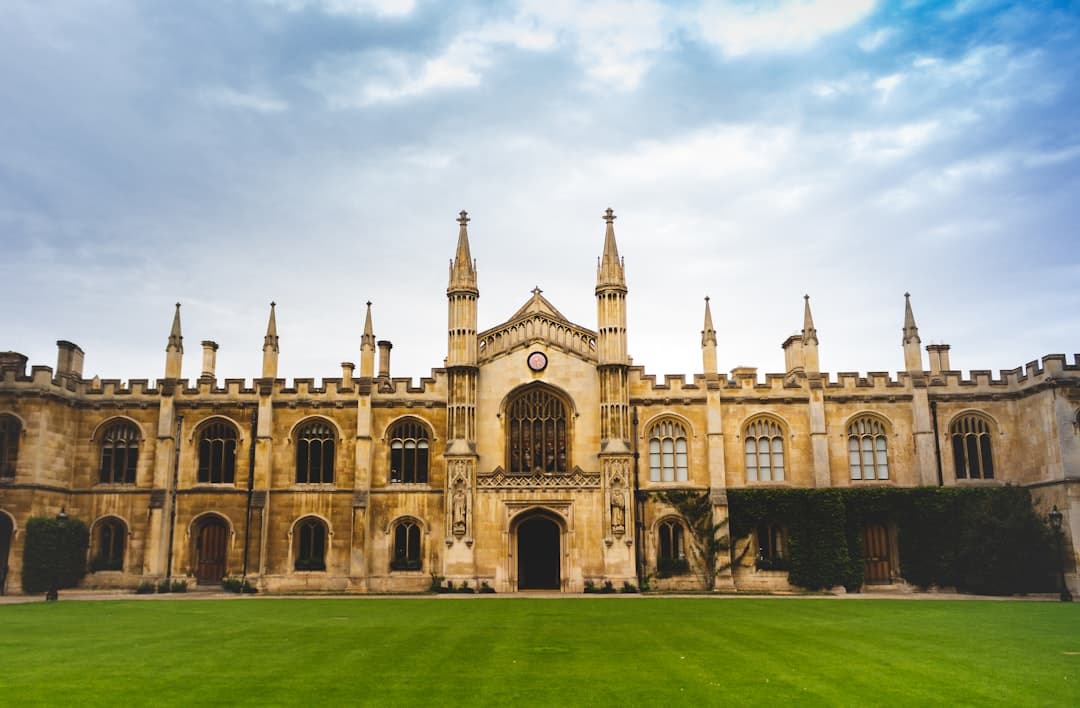
7
nights
287
km driving
10
challenges
2,575
XP to earn
7
nights
287
km driving
10
challenges
2,575
XP to earn
The route runs west to east, the way the frontier was laid out, and takes the Wall in the order that makes sense of it. Carlisle stands on the Roman Luguvalium at the western end, and Birdoswald shows where the Wall was first built of turf and later replaced in stone. On the central crags of the Whin Sill, Housesteads and Vindolanda give the garrison and its paperwork, Chesters the cavalry, and Corbridge the town that grew where Dere Street met the Stanegate, the first east-west frontier line to Carlisle. After that, the same ground is put to other uses. Monkwearmouth and Jarrow are the twin monastery that produced Bede; Beamish is the North East of a much later century; Warkworth and Dunstanburgh belong to a much later border, fought over by the Percys and their king. It ends on Holy Island.
Best from April to October
287 km of driving in total, about 4 hours over 7 days
Birdoswald: The Turf Wall and the Longest Standing Stretch
Edited by Avandra
Day 1 · 1 night
Carlisle and Birdoswald
43 km · 42 min from Carlisle
Base camp · 1 night
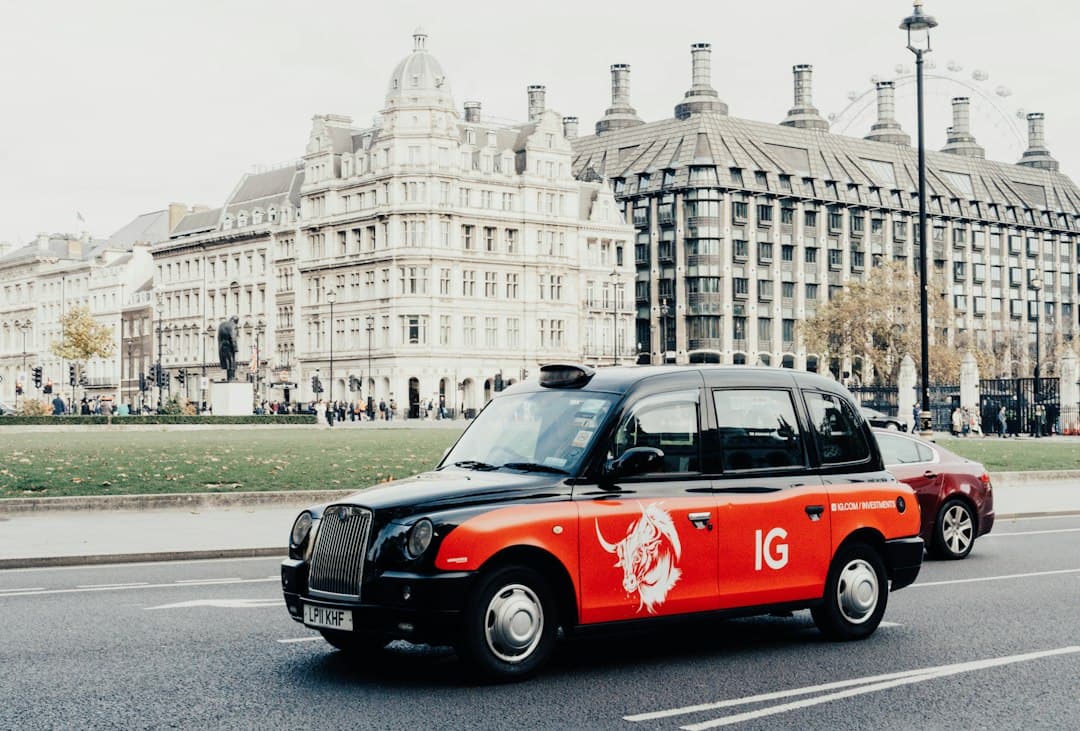
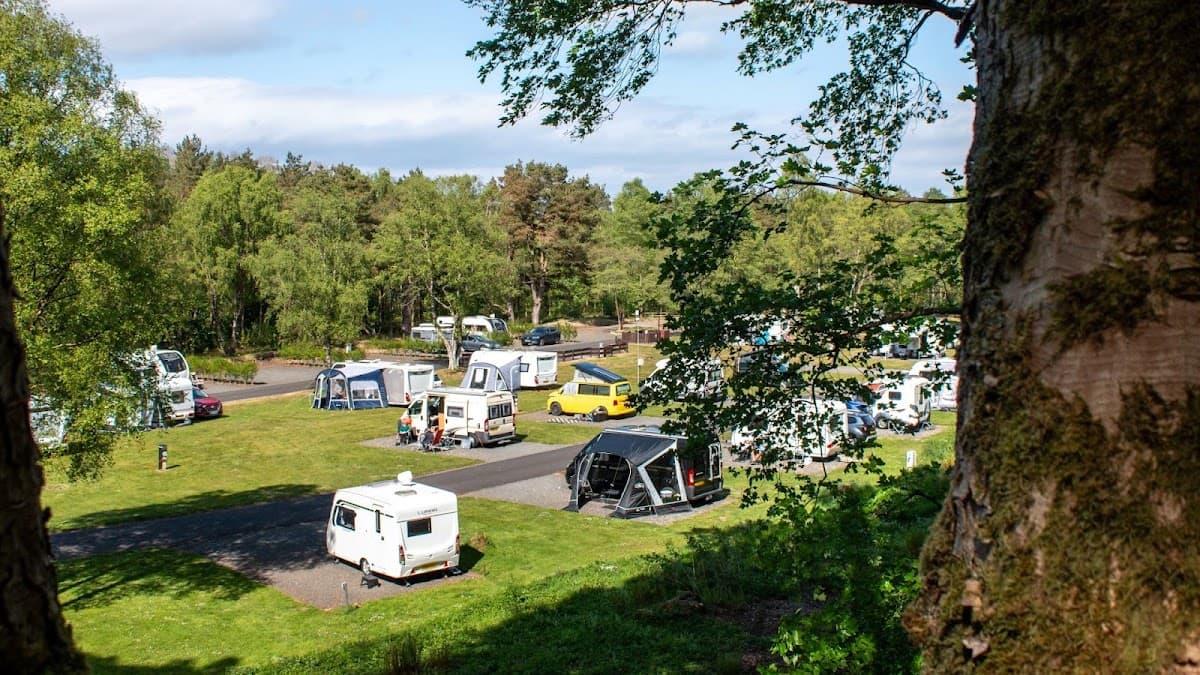
Haltwhistle Camping and Caravanning Club Site
4.7
344 Google reviews
Editor's note
One night at Haltwhistle, in the middle of Wall country, with the day spent at the western end. Carlisle began as Luguvalium, the Roman settlement on Hadrian's Wall, and became the stronghold of the western border. Its castle was begun under William Rufus and its keep dates from between 1122 and 1135, one of only about a hundred tower keeps in the country; Mary, Queen of Scots was held in the Warden's Tower for a few months in 1568. The cathedral began as an Augustinian priory church, and Tullie covers the Wall and the Border Reivers. Birdoswald, above the Irthing gorge, is where the Wall was first built of turf and later replaced in stone, so both lines can be traced, along with the fort's walls, gates and granaries.
Days 2–3 · 2 nights
Housesteads and Vindolanda
27 km · 27 min from Carlisle and Birdoswald
Base camp · 2 nights
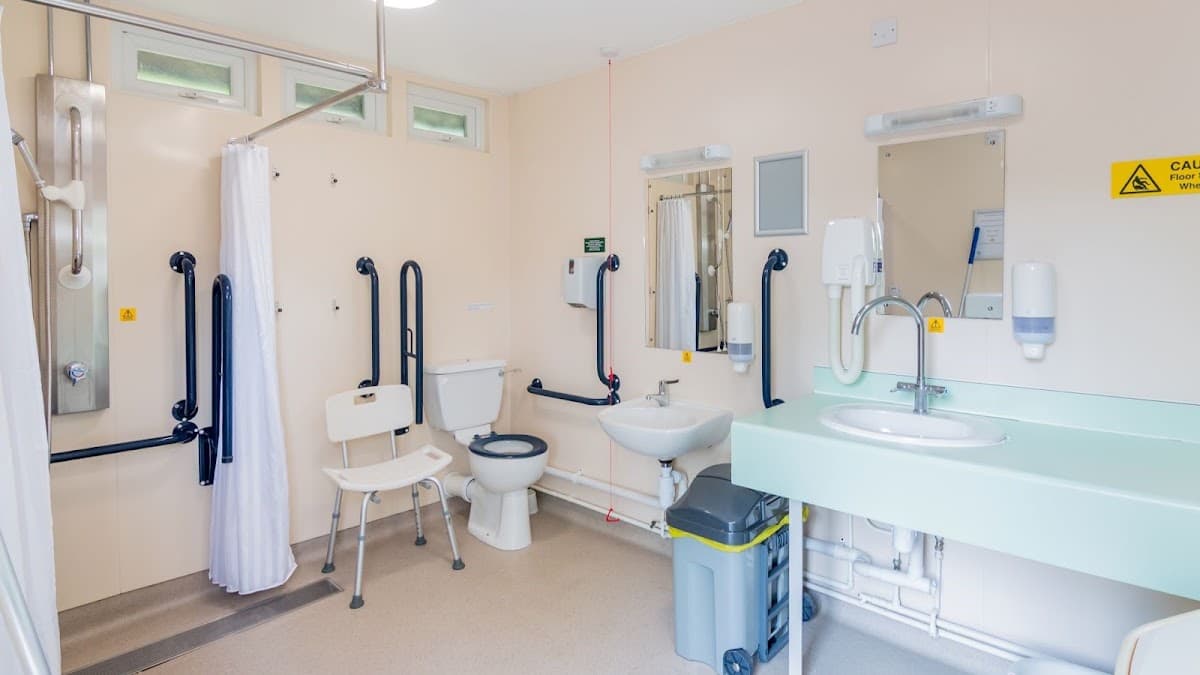
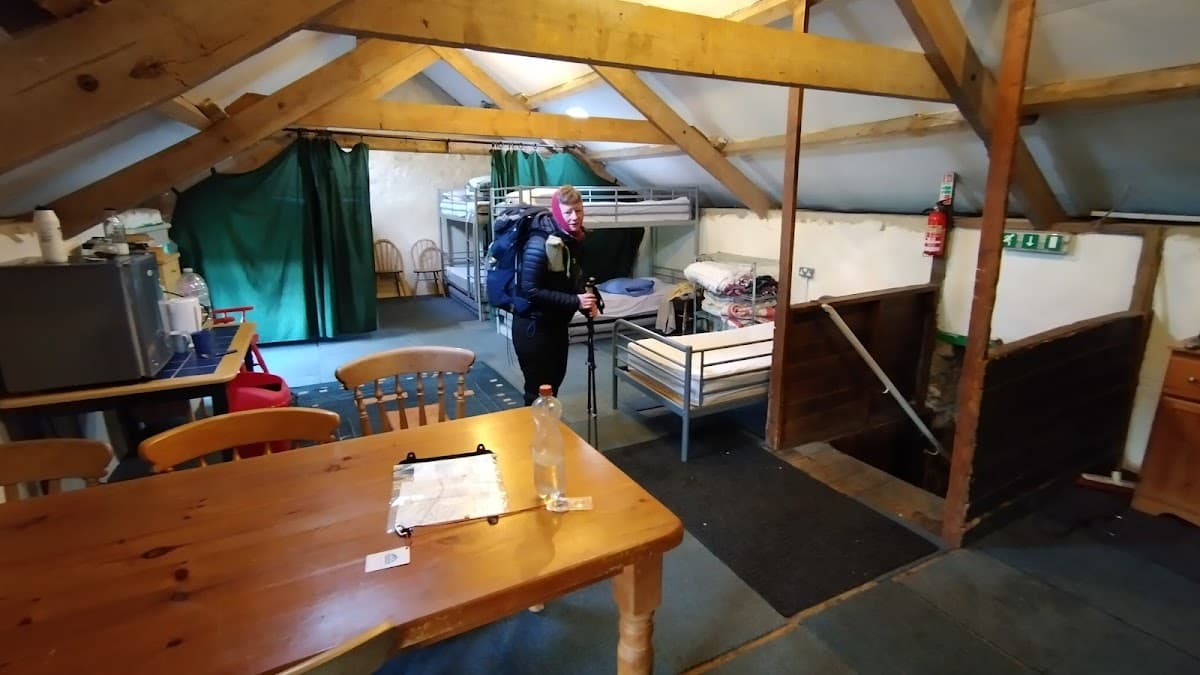
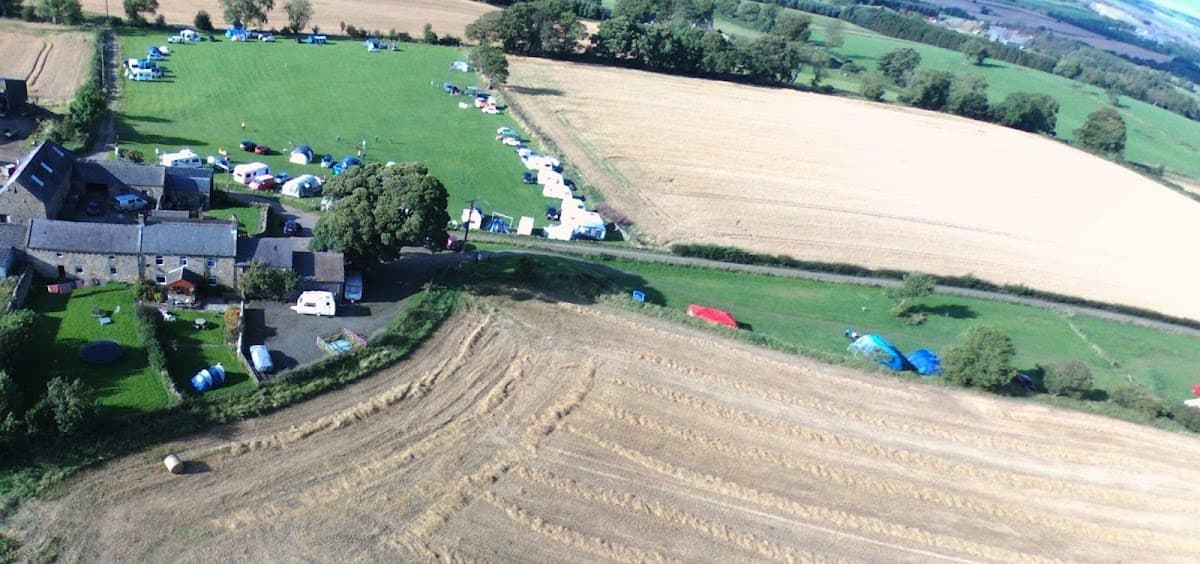
Greencarts Campsite and Bunkhouse
4.6
135 Google reviews
Editor's note
Two nights at Greencarts Farm outside Hexham, close to the central sector. Housesteads, the Roman Vercovicium, was built around AD 124 on the crags of the Whin Sill, and its latrines, granaries and hospital are still laid out; the First Cohort of Tungrians garrisoned it from about AD 205. At Vindolanda, just south of the Wall, the museum shows tablets on loan from the British Museum; more than 1,700 of these ink letters on wood have been found, the oldest surviving handwritten documents in Britain. The Hadrian's Wall Path passes Sycamore Gap, where the tree was felled in September 2023. Chesters, the Roman Cilurnum, was built across the Wall with gates opening north for the cavalry, and Corbridge became the most northerly town in the Roman Empire.
Hadrian's Wall: Housesteads, Vindolanda and Sycamore Gap
350 XPWalk the Wall at Housesteads Roman Fort (Vercovicium), built around AD 124 on the Whin Sill crag, and find its well-preserved latrines, granaries and hospital, where the First Cohort of Tungrians garrisoned the fort from about AD 205
9.7 km from camp
About 6 h
Chesters: The Cavalry Fort on the Wall
250 XPWalk the fort and find the gates that opened north of the Wall
3.1 km from camp
About 2.5 h
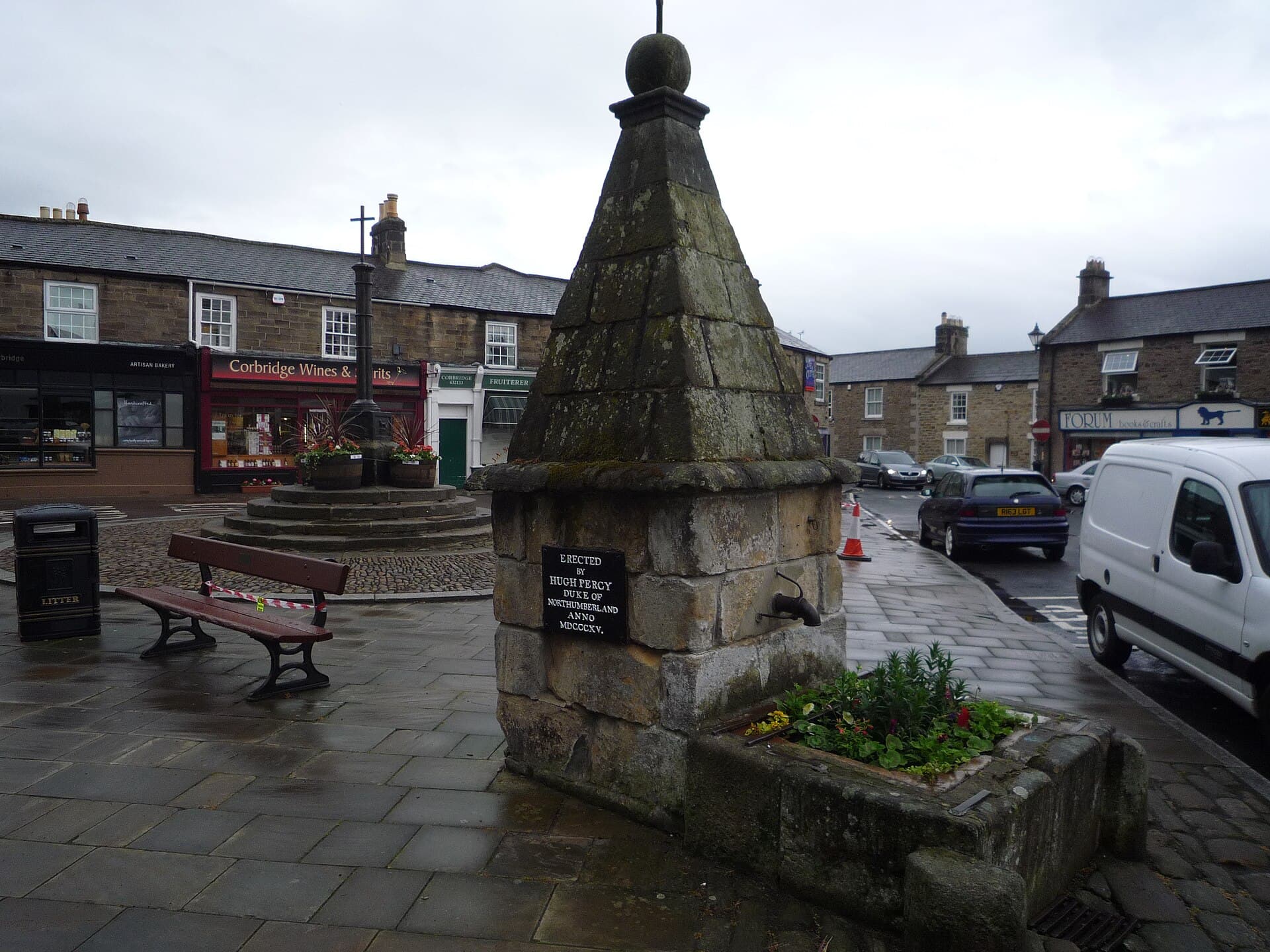
Corbridge: The Most Northerly Town in the Roman Empire
250 XPWalk the excavated Roman town
11.9 km from camp
About 2 h
Days 4–5 · 2 nights
Jarrow, Bede and Beamish
70 km · 58 min from Housesteads and Vindolanda
Base camp · 2 nights
Durham Grange Caravan and Motorhome Club Campsite
4.4
639 Google reviews
Editor's note
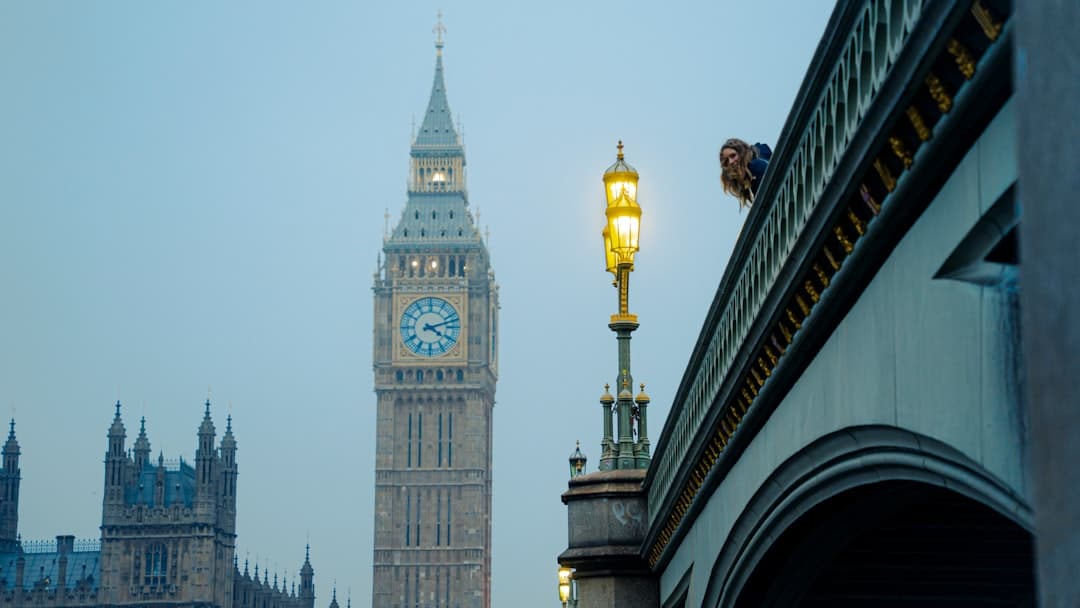
Two nights at Durham Grange, on the edge of Durham, for the ground the Romans left behind. Benedict Biscop founded St Peter's at Monkwearmouth in AD 674-5 and, a decade later, its twin, St Paul's at Jarrow; the double monastery became a centre of learning that produced Bede. England had no masons, so Biscop brought them from Francia, and glassmakers to glaze the windows, which began glassmaking on the Wear. At Jarrow the dedication stone of 23 April 685 is set above the chancel arch, one of the oldest church dedication stones in England. Beamish, founded in 1970 and open to visitors since 1972, gives the other North East: a 1900s town with shops, a bank and trams, and a 1940s farm.
Sunderland and Jarrow: The Twin Monastery That Made Bede
250 XPVisit St Peter's Church, Monkwearmouth, founded in AD 674–5 by Benedict Biscop, one of the two churches of the double monastery that produced Bede
16.4 km from camp
About 3 h
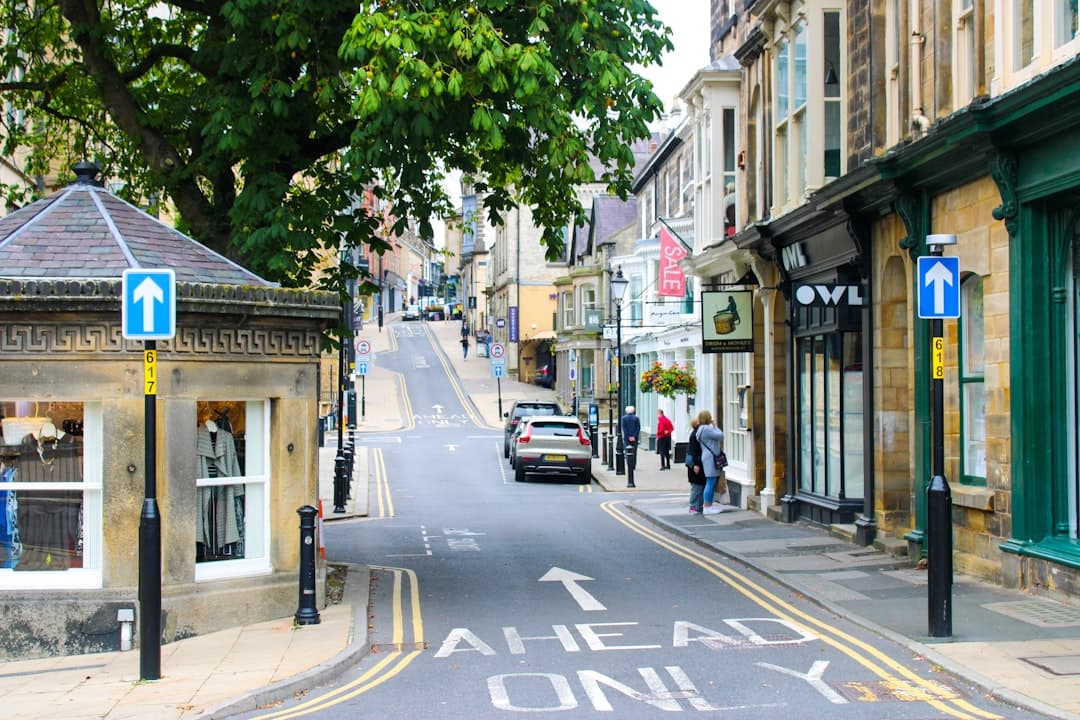
Beamish: The Living Museum of the North
250 XPWalk the 1900s Town at Beamish, the open-air museum first opened to visitors in 1972, with its tram routes, shops and bank
19.9 km from camp
About 6 h
Day 6 · 1 night
Warkworth and the castle coast
93 km · 1 h 19 min from Jarrow, Bede and Beamish
Base camp · 1 night
Coast and Castles Camping
4.4
234 Google reviews
Editor's note
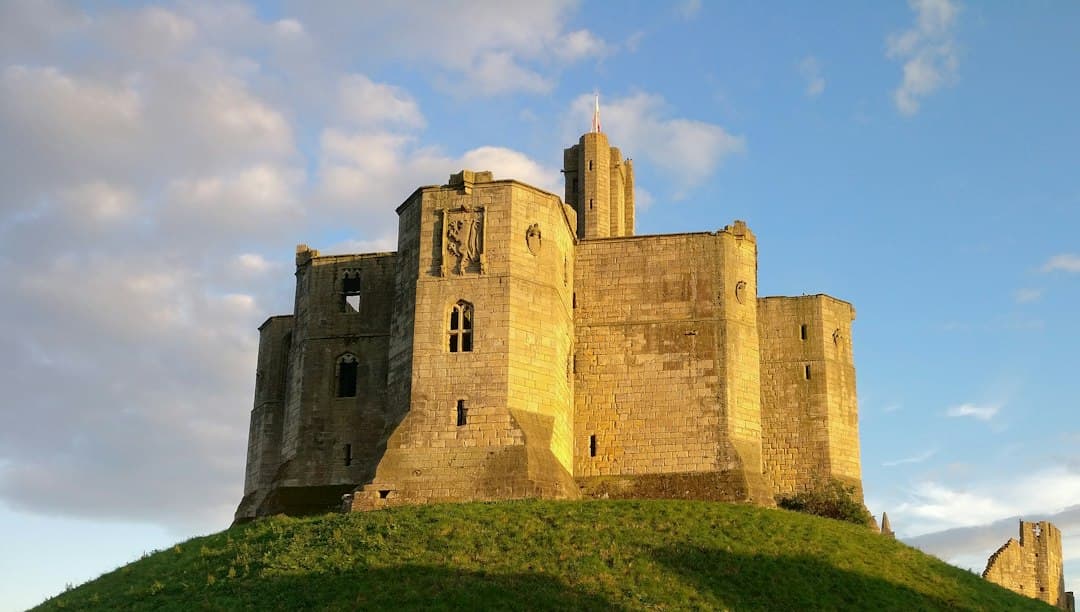
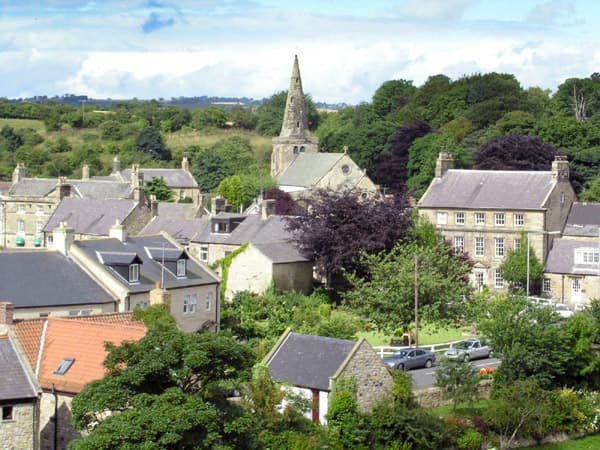
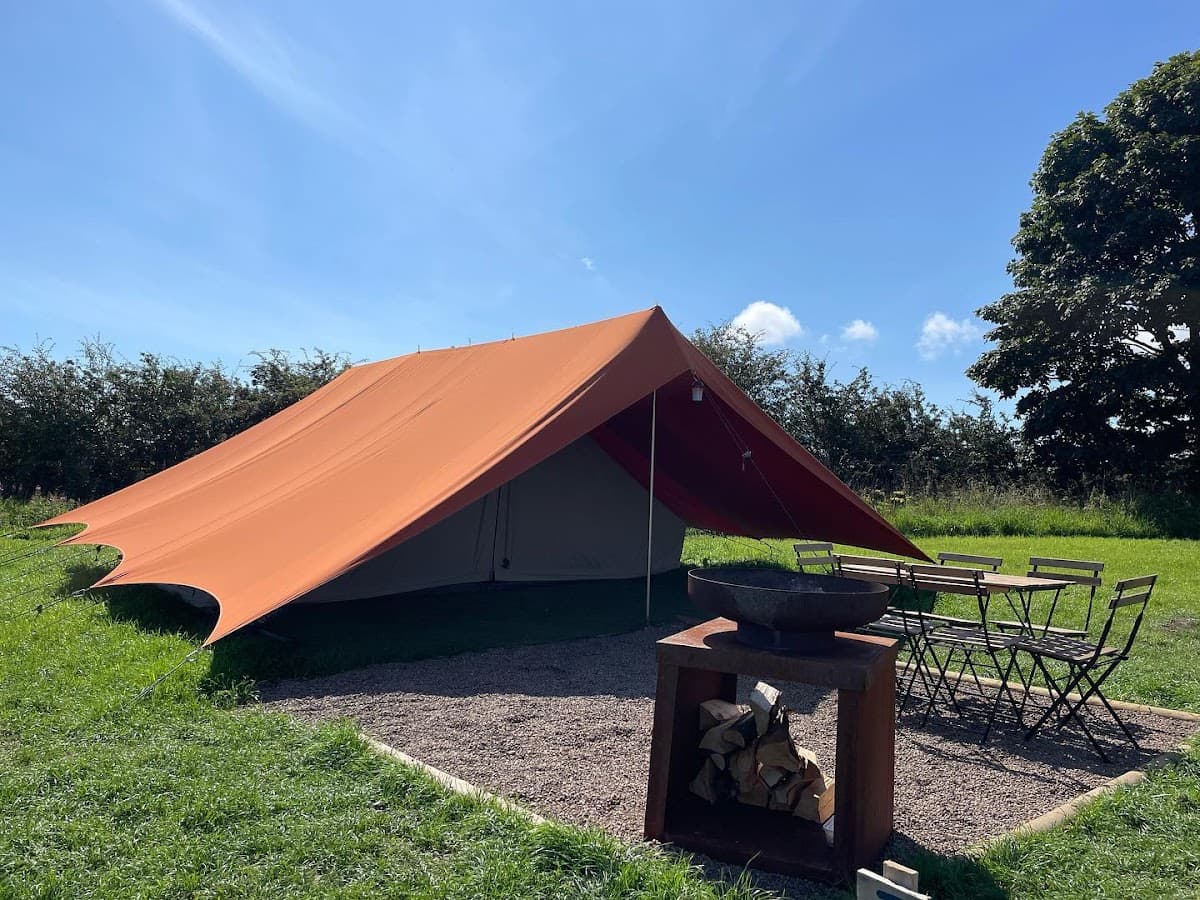
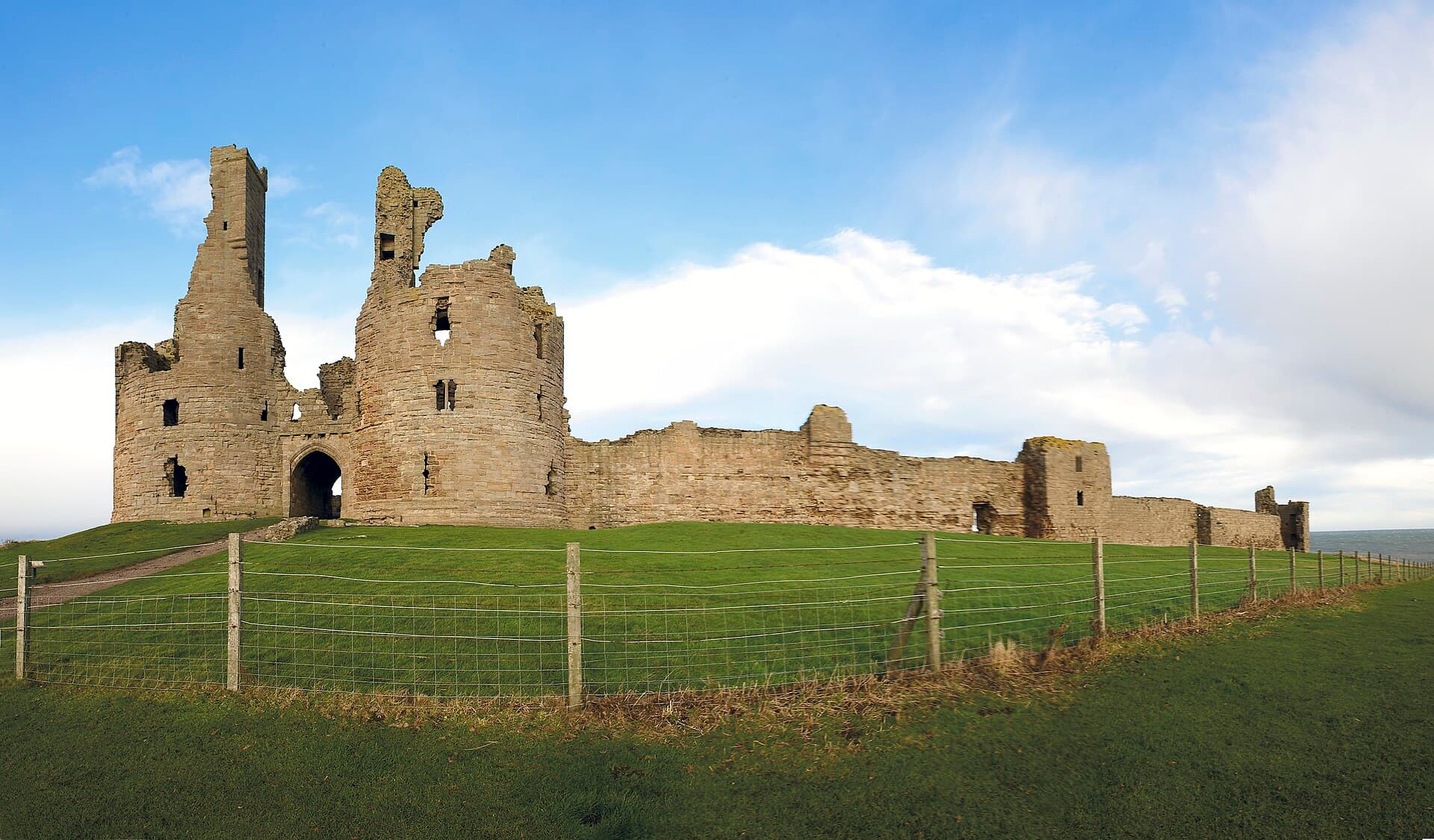
One night at Coast and Castles Camping outside Alnwick. Warkworth stands in a loop of the River Coquet, less than a mile from the sea. The Percys took it in the 14th century, and Henry Percy, 1st Earl of Northumberland, added the great keep above the village. He helped put Henry IV on the throne, then he and his son Henry 'Hotspur' Percy rebelled. After Hotspur was killed at Shrewsbury in 1403 the earl fled here and was pardoned; he rebelled again in 1405, and the defenders gave in, the king wrote, after seven shots from his cannon. Dunstanburgh, the largest castle in Northumberland by area, is reached only on foot, a mile and a quarter from Craster, where Robson's has cured herring over oak smoke since 1856.
Day 7 · 1 night
Lindisfarne
32 km · 27 min from Warkworth and the castle coast
Base camp · 1 night
Budle Farm Campsite
4.6
365 Google reviews
Editor's note
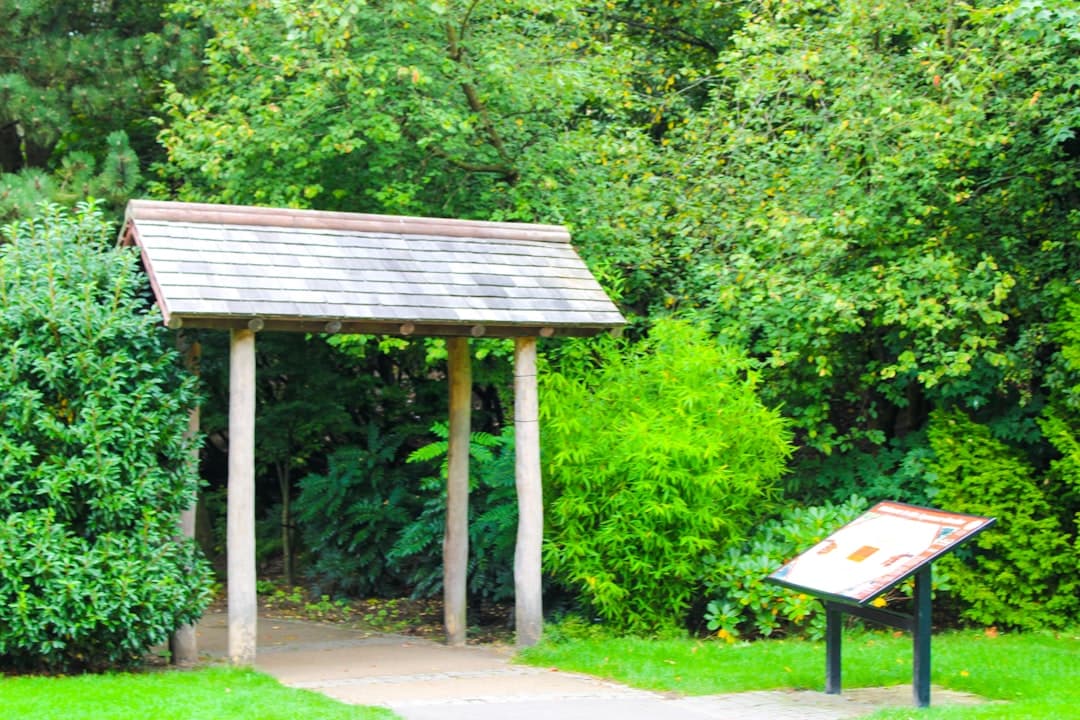
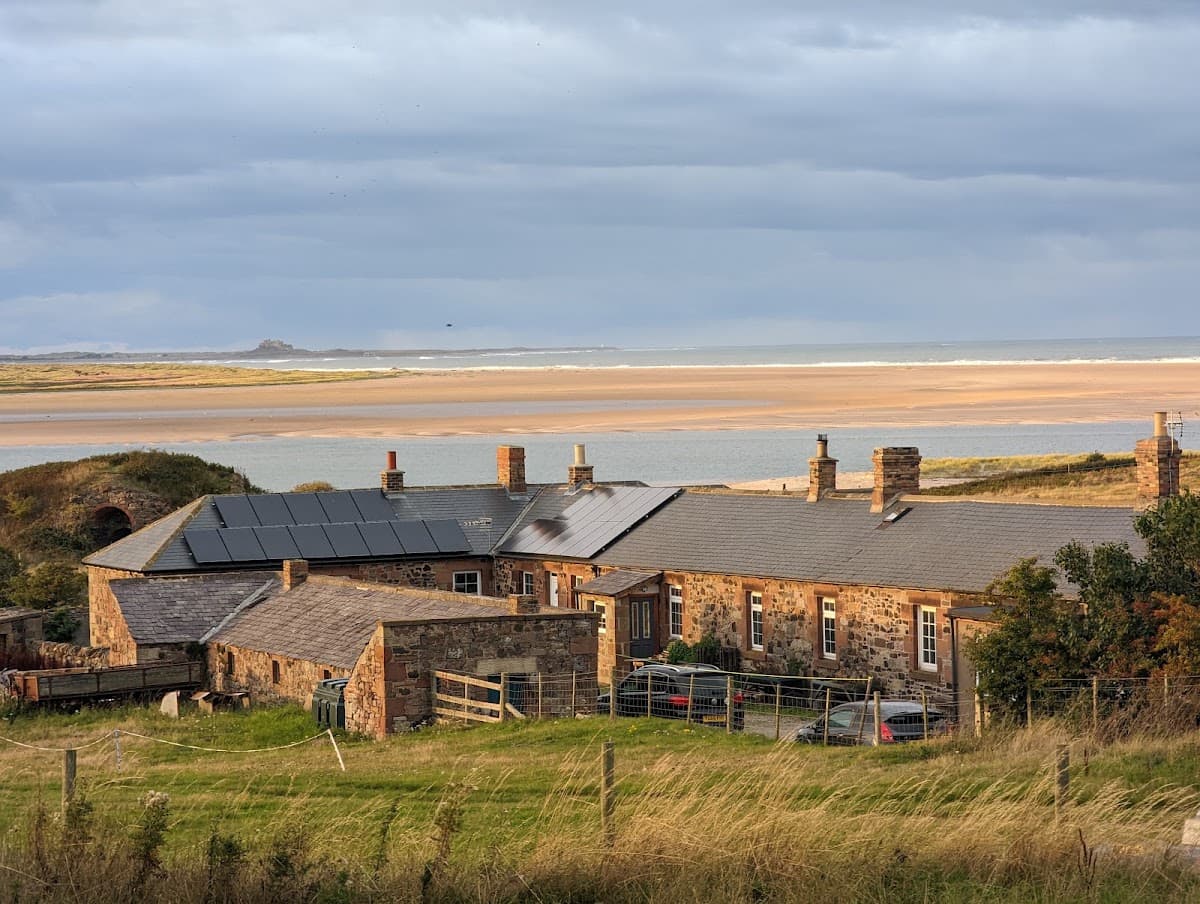
One night at Budle Farm near Bamburgh, within reach of the crossing. Holy Island is reached across a tidal causeway, so the tide tables decide the shape of the day. St Aidan founded Lindisfarne Priory here in AD 634 and Vikings raided it in 793, which is the far end of a thread that starts with a Roman frontier and runs on through Monkwearmouth and Jarrow. Lindisfarne Castle, a 16th-century fort from a later border than the Roman one, was converted by Edwin Lutyens in 1901. The dunes and mudflats around the island are a national nature reserve, and the birdwatching is the reason to walk out on to them.
Finish the guide, earn 2,575 XP
10 challenges across 5 stops.
For the history buff
Trips built on the same interest, in other countries.
Ireland · 6 nights
Ancient Ireland: The Boyne Valley and the Passage Tombs
6 nights · 4 stops · 9 challenges
France · 14 nights
Corsica: Bonifacio, the Bavella Needles and the West Coast Road
14 nights · 8 stops · 6 challenges
France · 11 nights
Le Havre to Toulon: Normandy, the Loire and the Calanques
11 nights · 13 stops · 13 challenges
Carry on with…
These start close to where this one finishes, after 7 nights, so you can keep going.