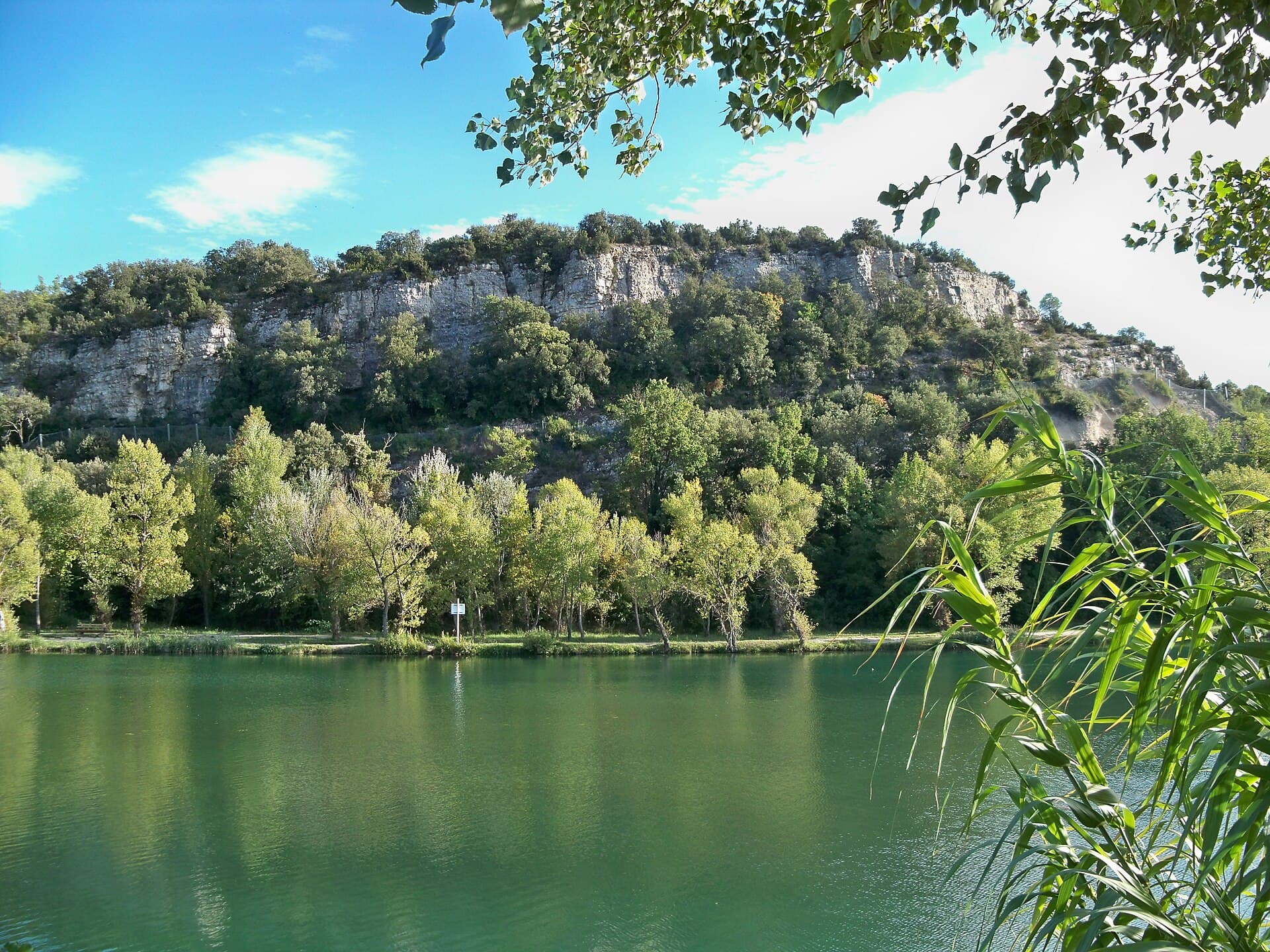
Avandra Field Guide · Provence-Alpes-Côte d'Azur, France
Provence at Half Speed: Spa Towns, Ochre and Lavender
6
nights
301
km driving
5
challenges
1,275
XP to earn
6
nights
301
km driving
5
challenges
1,275
XP to earn
Provence rewards a slow week, and this loop covers only 301 km in about five hours of driving spread over six nights. It begins and ends at Aix-en-Provence, founded as Aquae Sextiae in 122 BC, where the Thermes Sextius still stand on the site of the Roman spa and the Cours Mirabeau runs beneath its plane trees. From there the route crosses to Saint-Rémy-de-Provence for the Gallo-Roman ruins of Glanum and the asylum garden at Saint-Paul-de-Mausole, climbs to the ochre quarries above Roussillon and the Cistercian cloister at Sénanque, and reaches the sulphur spa of Gréoux-les-Bains on the Verdon. The last stop depends on the lavender of the Plateau de Valensole, which is in bloom in summer, so the week is fixed to June, July or August.
Best from June to August
301 km of driving in total, about 5 hours over 6 days
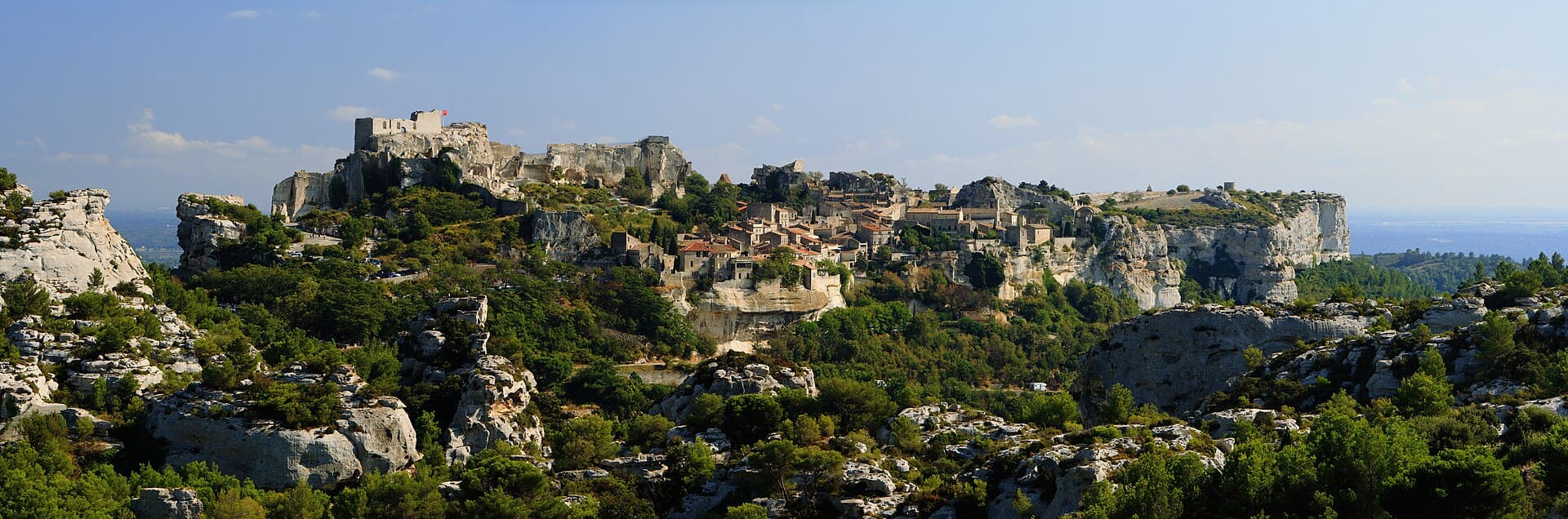
Les Baux and Fontvieille: The Citadel, the Moulin Saint-Pierre and the Carrières des Lumières
Edited by Avandra
Days 1–2 · 2 nights
Aix-en-Provence
4 km · 9 min from Aix-en-Provence
Base camp · 2 nights
HOMAIR VACANCES
4.2
1,397 Google reviews
Editor's note
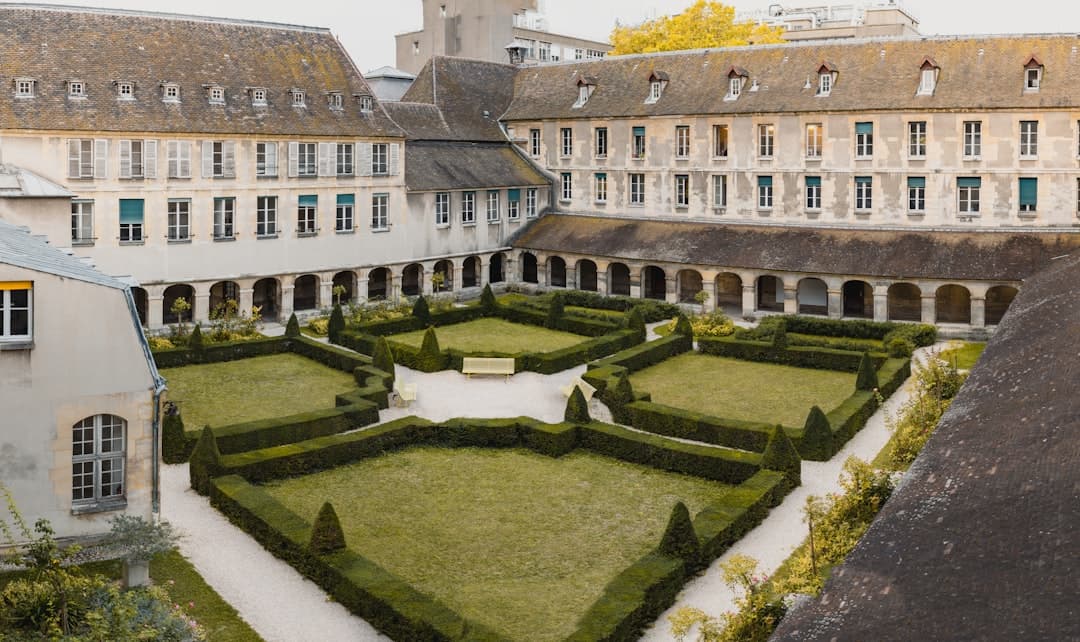
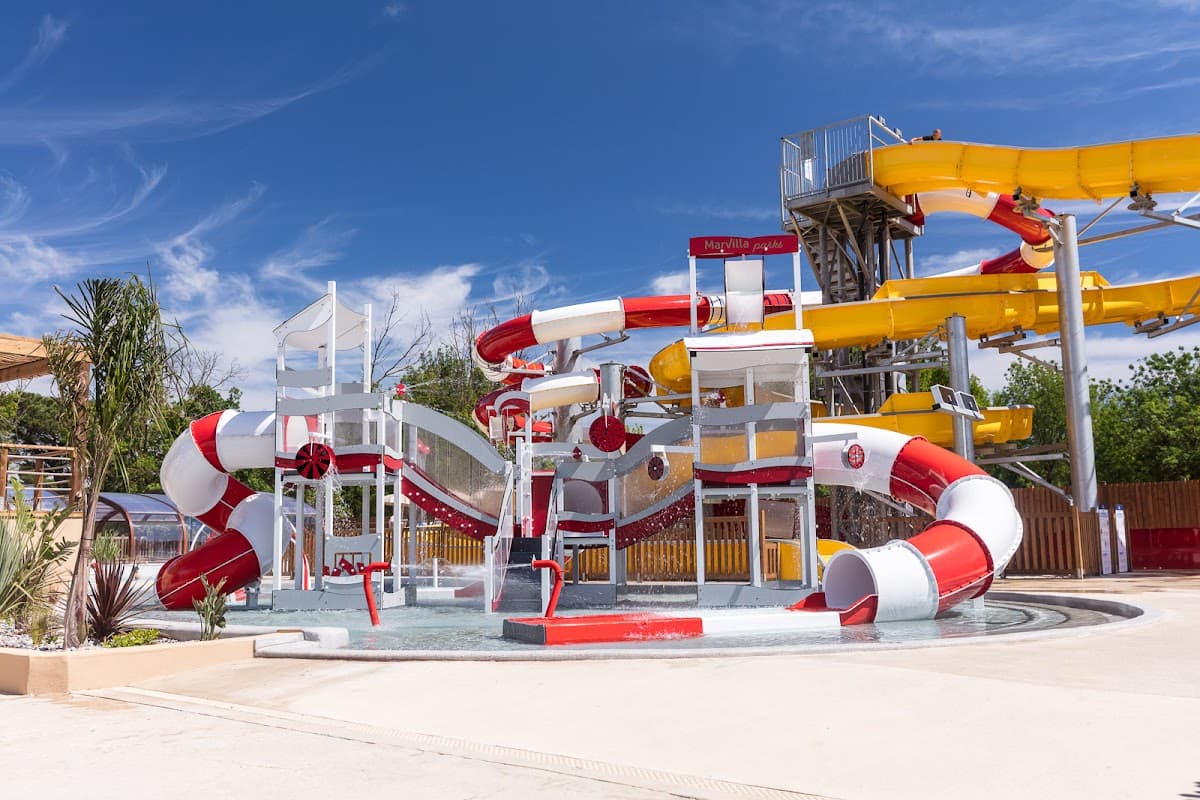
The first two nights are spent on Avenue du Club Hippique, a little over two kilometres from the town's sights. Aix-en-Provence was founded as Aquae Sextiae in 122 BC, and the Thermes Sextius still stand on the site of the Roman spa, so the week opens by taking the waters. After that it is walking: the Cours Mirabeau, the plane-tree avenue of fountains and cafés laid out in 1651; the Atelier de Cézanne at Les Lauves, the studio where the painter worked in the years before his death in 1906; and the route called the Pas de Cézanne aux Balcons d'Aix-en-Provence. With a full day, Montagne Sainte-Victoire can be climbed to the Croix de Provence, the peak Cézanne painted again and again.
Walks from camp
Days 3–4 · 2 nights
Saint-Rémy and Les Baux
74 km · 58 min from Aix-en-Provence
Base camp · 2 nights
Camping Monplaisir Provence
4.8
824 Google reviews
Editor's note
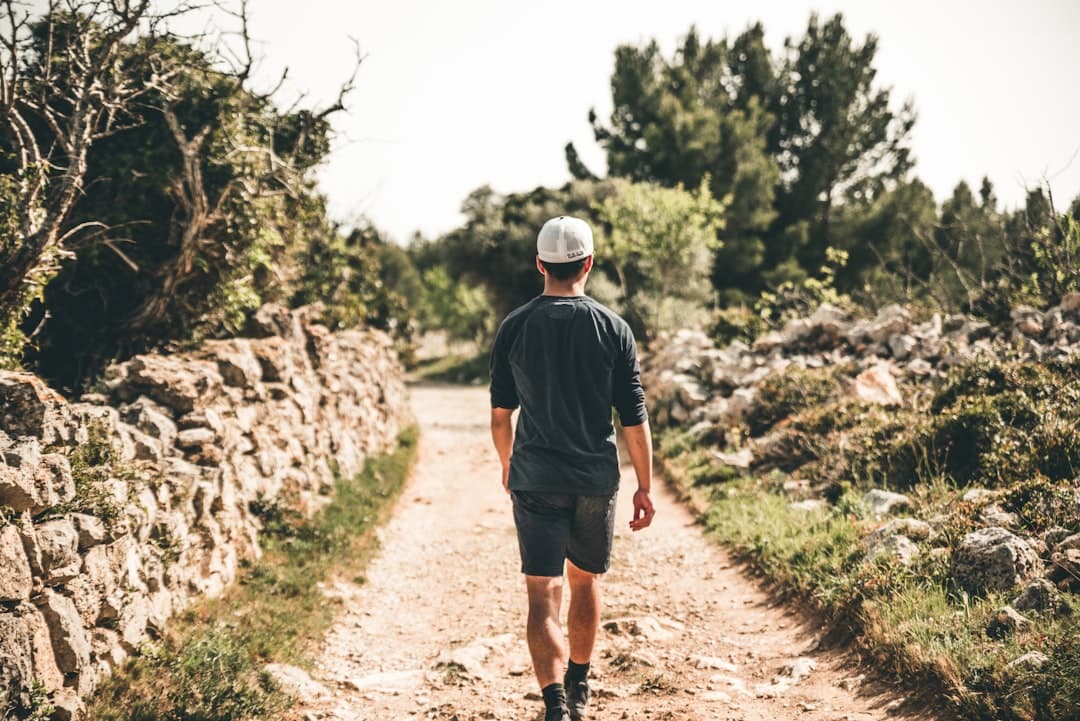
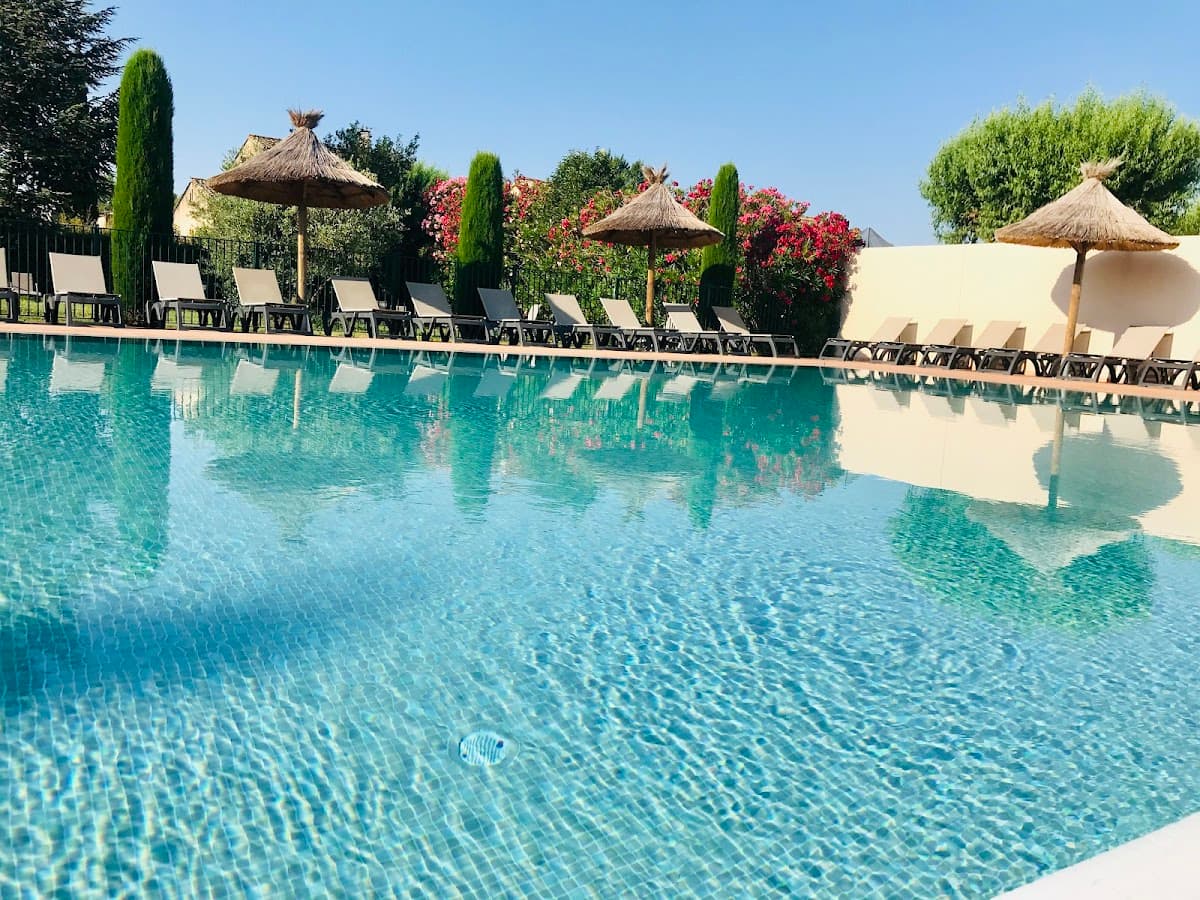
Two more nights, at Chemin Monplaisir outside Saint-Rémy-de-Provence. At the foot of the Alpilles lie the ruins of Glanum, a Gallo-Roman town, with Les Antiques: the Mausoleum of the Julii and the triumphal arch. Beside them stands the monastery of Saint-Paul-de-Mausole, the asylum where Vincent van Gogh painted in 1889–90, its garden still there. Paths climb into the Alpilles towards Mont Gaussier, the hill above Glanum. The second day takes in Les Baux-de-Provence, a ruined citadel on a rock above the Val d'Enfer, and the Carrières de Lumières in the quarry beside it, where paintings are projected onto the walls. At Fontvieille are the Moulin de Daudet, the windmill of Alphonse Daudet's Lettres de mon moulin, and the Château d'Estoublon, which makes Les Baux-de-Provence wine and olive oil.
Saint-Rémy-de-Provence: Glanum and Van Gogh's Asylum
300 XPAcross the road from the Glanum ticket office, where you can see them for nothing, read the north face of the Julii cenotaph — SEX.M.L.IVLIEI.C.F.PARENTIBVS.SVEIS, three brothers to their forebears — and pick out the battle of Zela on three sides of its base and the boar hunt on the fourth; then on the municipal arch beside it find the seated woman on a heap of captured arms and the Gaulish prisoner with his hands tied behind his back
3.5 km from camp
About 5 h
Les Baux and Fontvieille: The Citadel, the Moulin Saint-Pierre and the Carrières des Lumières
225 XPAt the Château d'Estoublon outside Fontvieille, taste the single-variety olive oils against one another — Grossane, Salonenque, Bouteillan, Béruguette and Picholine, all crushed at the estate's own mill under the AOP Vallée des Baux-de-Provence — then judge its AOP Les Baux de Provence wine from the organic vines on the south flank of the Alpilles against the oil of the same ground
6.4 km from camp
About 5 h
Walks from camp
Day 5 · 1 night
Gordes and Roussillon
83 km · 1 h 34 min from Saint-Rémy and Les Baux
Base camp · 1 night
Camping Clicochic - Sources de Gordes
4.5
674 Google reviews
Editor's note
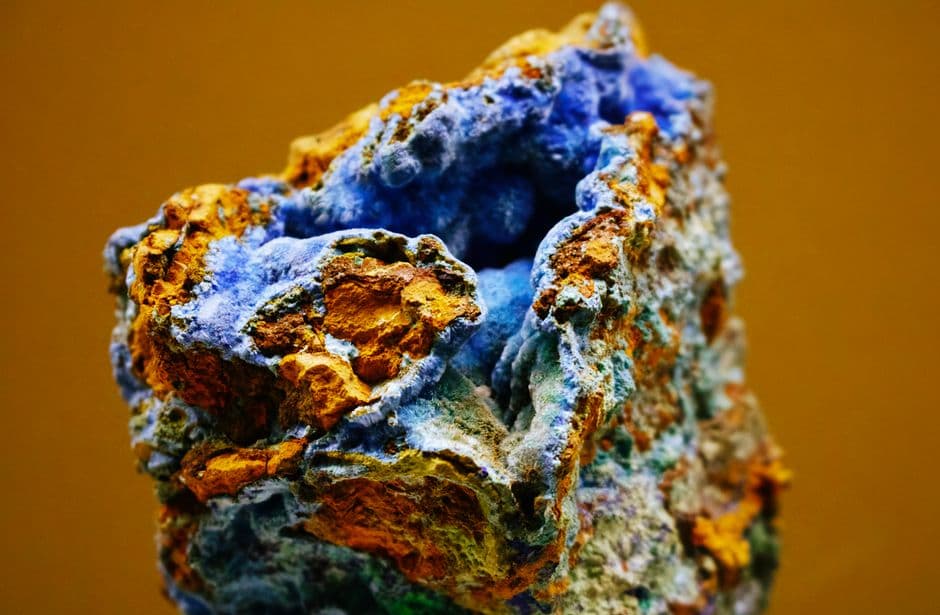
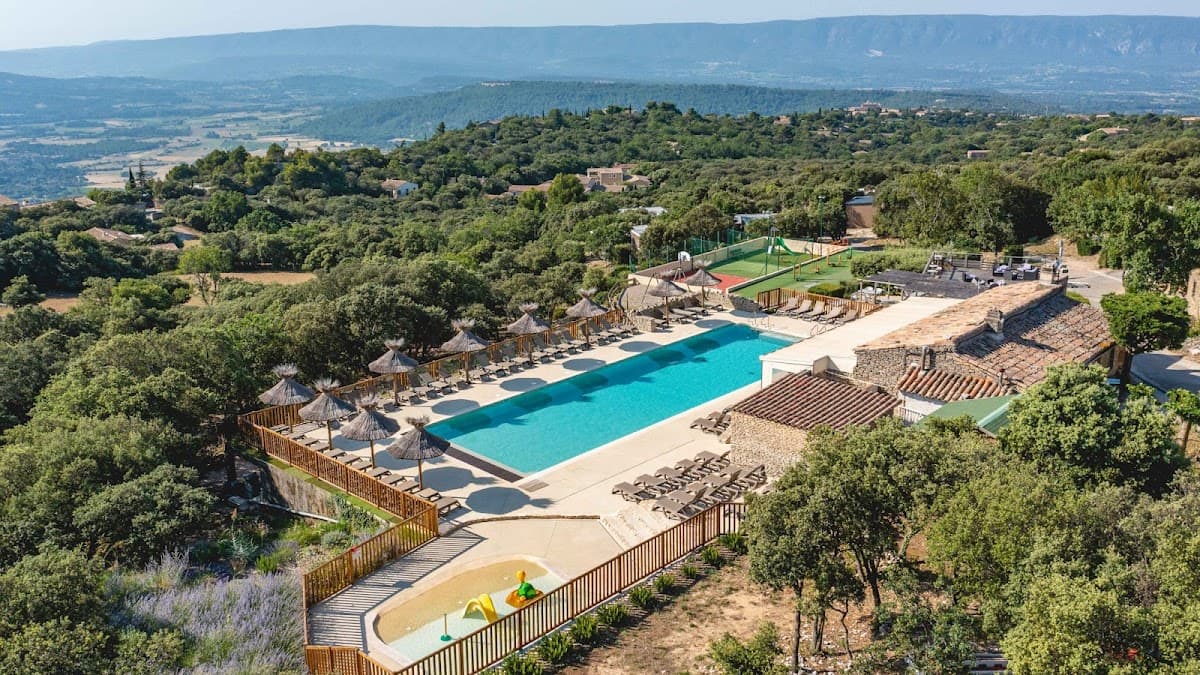
One night at Chemin de Fontanille in Gordes. Roussillon sits on one of the largest ochre deposits in Europe, and the Grand Circuit of the Sentier des Ocres runs 1.7km through the old quarries above the village, past formations stained in seventeen shades from pale yellow to blood red. North of Gordes a narrow valley drops to the Abbaye Notre-Dame de Sénanque, founded in 1148 and still home to Cistercian monks, with its Romanesque church and lavender-ringed cloister. Gordes is best seen from the terrace below the Renaissance château, rebuilt in 1525 on an 11th-century base, looking south over the Luberon valley and its dry-stone bories. The Musée de la Lavande at Coustellet has been devoted to the fine lavender of Provence since 1991.
Walks from camp
Day 6 · 1 night
Gréoux-les-Bains
80 km · 1 h 29 min from Gordes and Roussillon
Base camp · 1 night
Verdon Parc
4.0
2,343 Google reviews
Editor's note
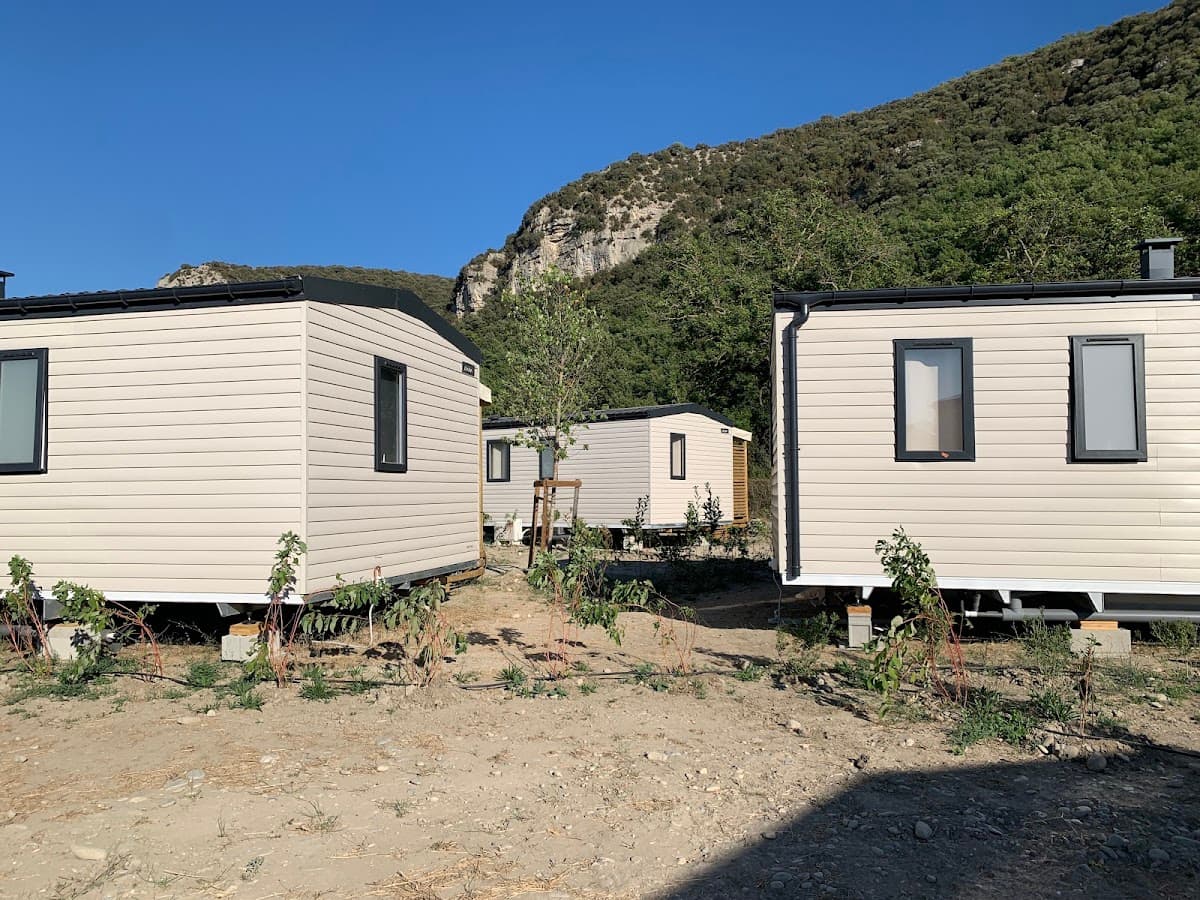
The last night is at Chemin de la Paludette in Gréoux-les-Bains, a little over a kilometre from the thermal town, with the Promenade au Bord du Verdon running along the river. Gréoux-les-Bains has a sulphur spa used since Roman times, the second chance in the week to take the waters, and the Château des Templiers stands above the thermal town. This is also the stop that sets the month: north of the town the Plateau de Valensole is covered in lavender that blooms in summer, and walking those fields in bloom is the reason to come in June, July or August. At Manosque, the L'Occitane factory tells the story of the Provençal cosmetics brand born in Haute-Provence. From here it is 60 km back to Aix-en-Provence.
Walks from camp
Finish the guide, earn 1,275 XP
5 challenges across 4 stops.