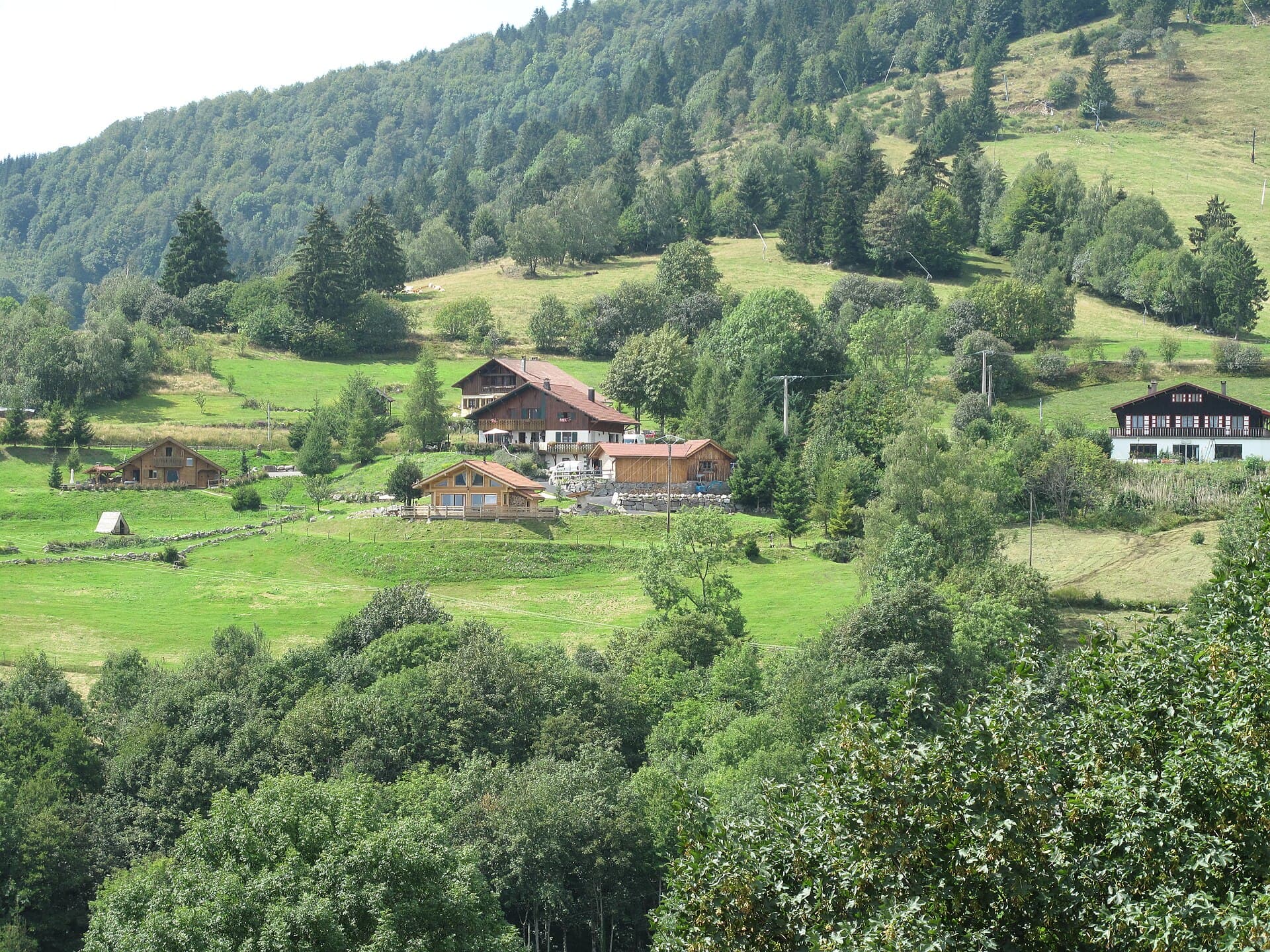
Avandra Field Guide · Grand Est, France
Alsace: The Wine Route and the Crest of the Vosges
7
nights
226
km driving
10
challenges
2,475
XP to earn
7
nights
226
km driving
10
challenges
2,475
XP to earn
Seven nights from Strasbourg to Gérardmer, down the Wine Route and up onto the crest of the Vosges. Strasbourg's cathedral clock parades its apostles every day, and boats tour the Grande Île to the European Parliament. Obernai sits below Mont Sainte-Odile and its Mur Païen, with Natzweiler-Struthof, the only Nazi concentration camp on French soil, close by. From Riquewihr, walled wine villages lead to Haut-Kœnigsbourg, rebuilt for Kaiser Wilhelm II, and the Humanist Library at Sélestat. Colmar has the Issenheim Altarpiece, with Eguisheim, Kaysersberg and Vauban's octagon at Neuf-Brisach nearby. The last leg follows the Route des Crêtes, built by the French army in the First World War, over the Hohneck and down to Lac de Gérardmer. The Route des Crêtes is open from about April to November.
Best from April to October
226 km of driving in total, about 4 hours over 7 days
Natzweiler-Struthof: The Only Nazi Concentration Camp on French Soil
Domaine du Haut des Bluches : camping, chalets, hôtel
Edited by Kenneth Killeen
Days 1–2 · 2 nights
Strasbourg
3 km · 6 min from Strasbourg
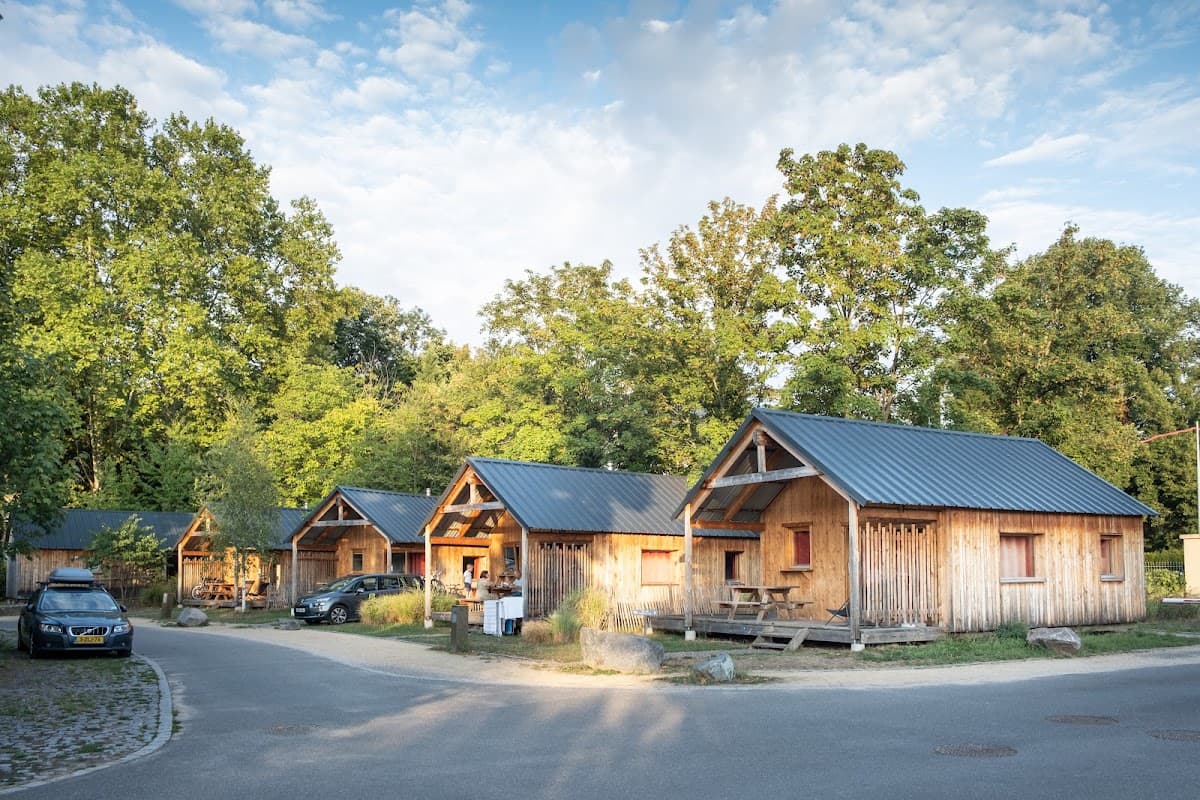
Base camp · 2 nights
Camping de Strasbourg
4.3
5,316 Google reviews
Editor's note
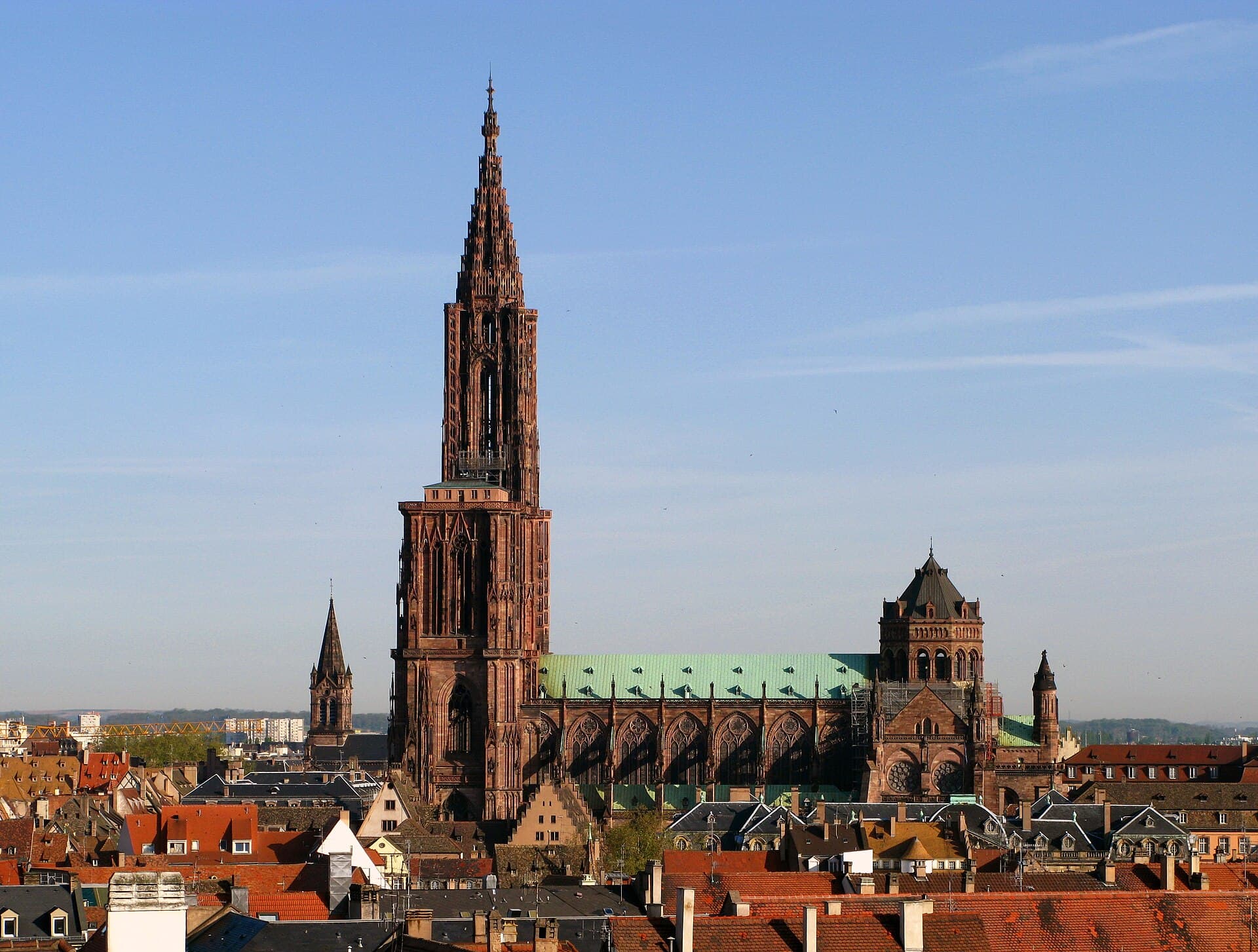
Two nights in Strasbourg. From 1647 to 1874 its 142-metre cathedral was the tallest building in the world. Be there at 12:30 to watch the apostles parade on the astronomical clock, then climb the 332 steps to the platform, 66m above the square. Batorama boats circle the Grande Île, UNESCO-listed since 1988, through Petite France and the Ponts Couverts to the European Parliament. Walk the half-timbered tanners' houses of Petite France and look back over them from the terrace of the Barrage Vauban. Eat a tarte flambée or a choucroute in a winstub. Through Advent the Christkindelsmärik, held since 1570, fills the old town.
Walks from camp
Day 3 · 1 night
Obernai
42 km · 42 min from Strasbourg
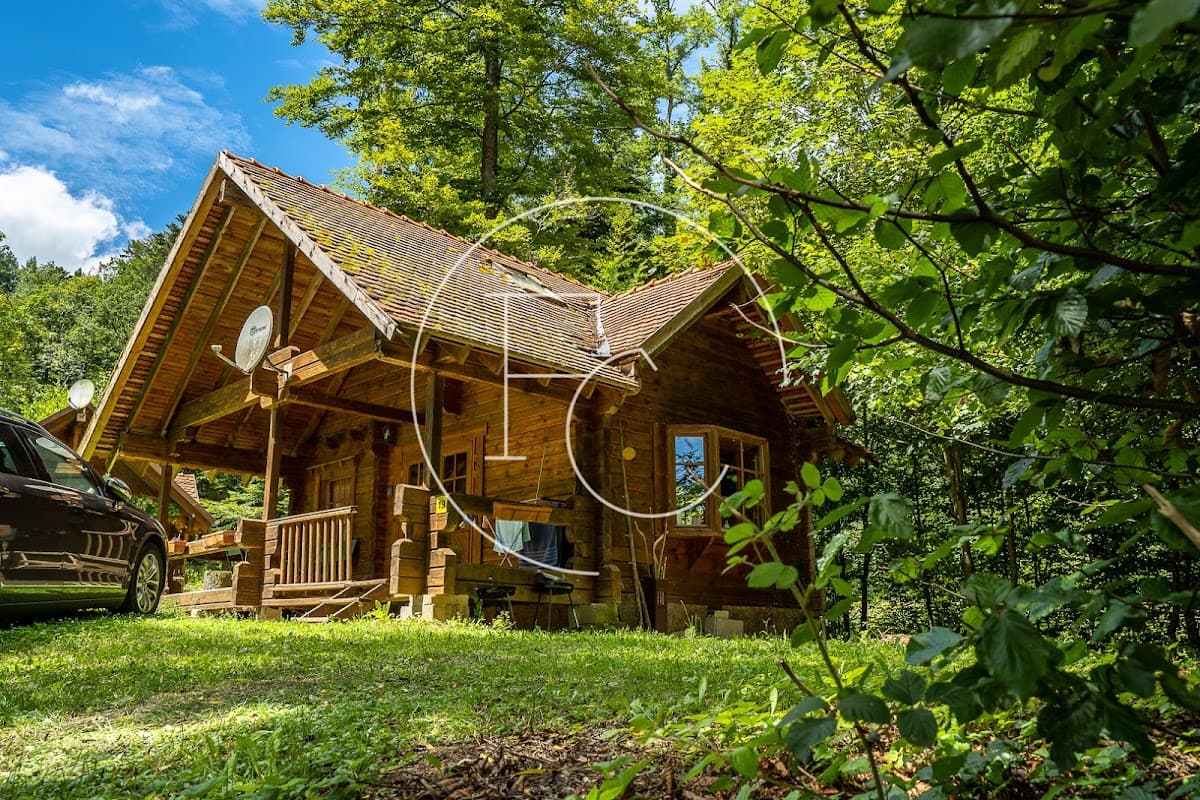
Base camp · 1 night
Camping Les Reflets Du Mont Ste Odile
4.3
222 Google reviews
Editor's note
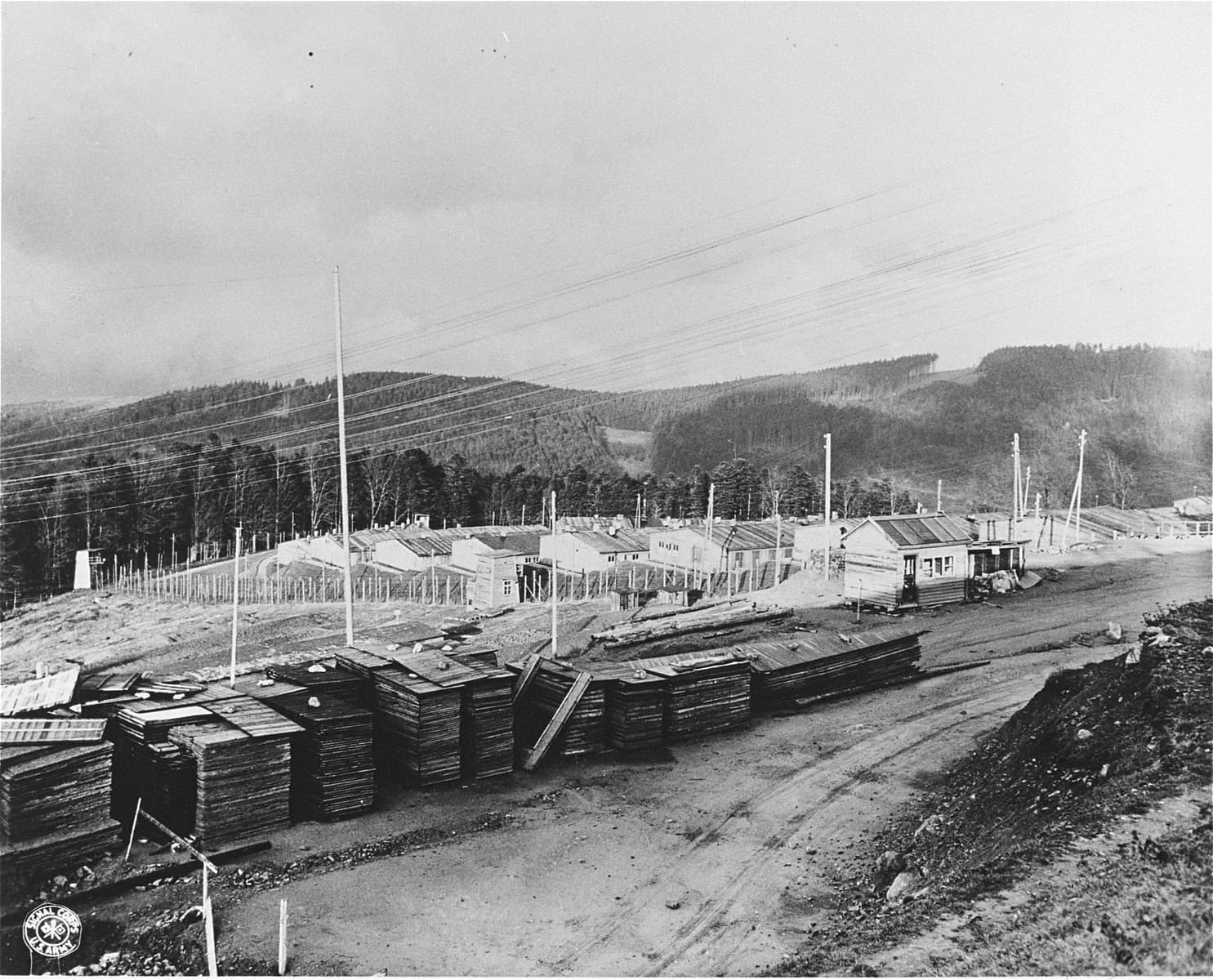
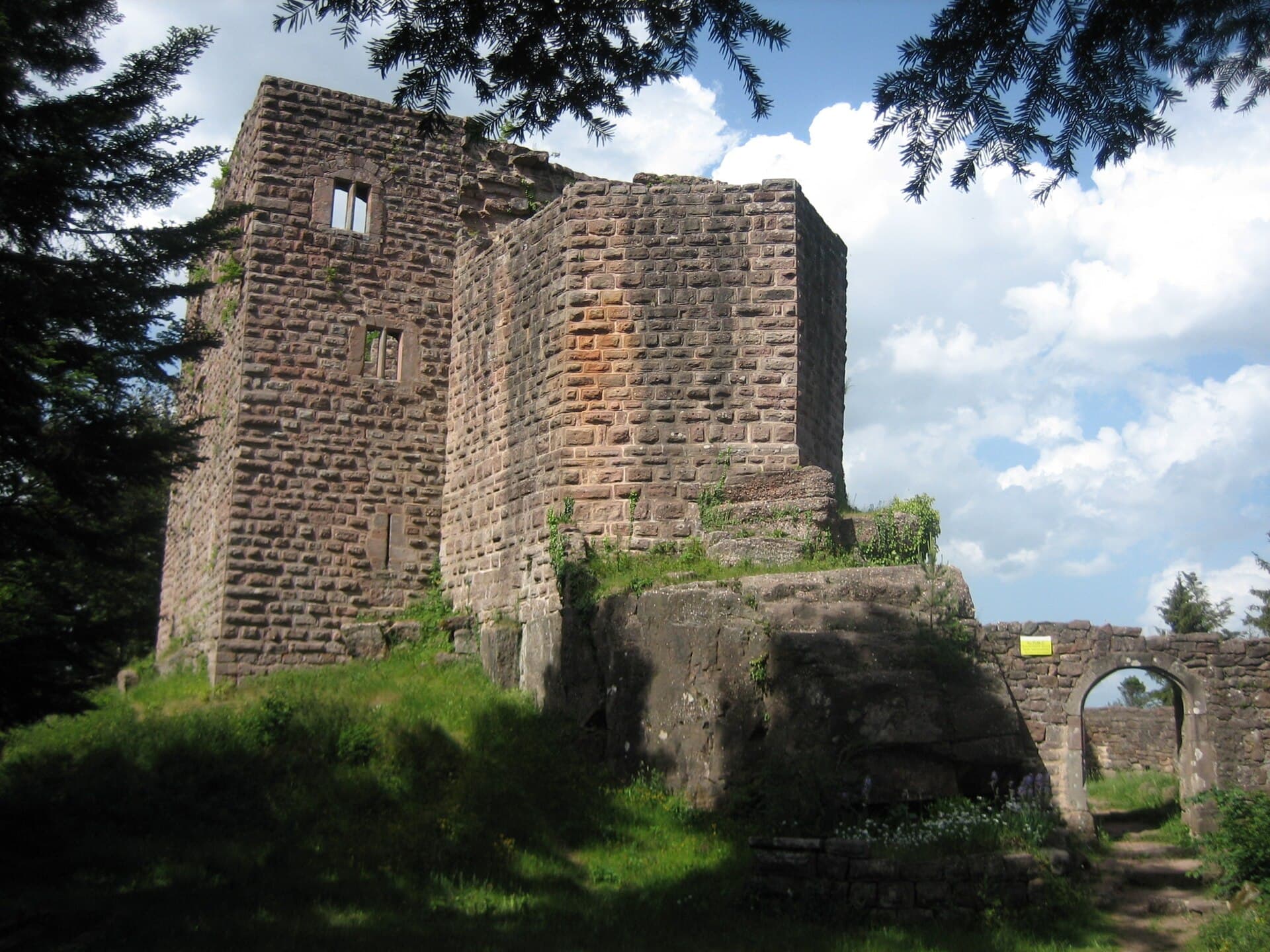
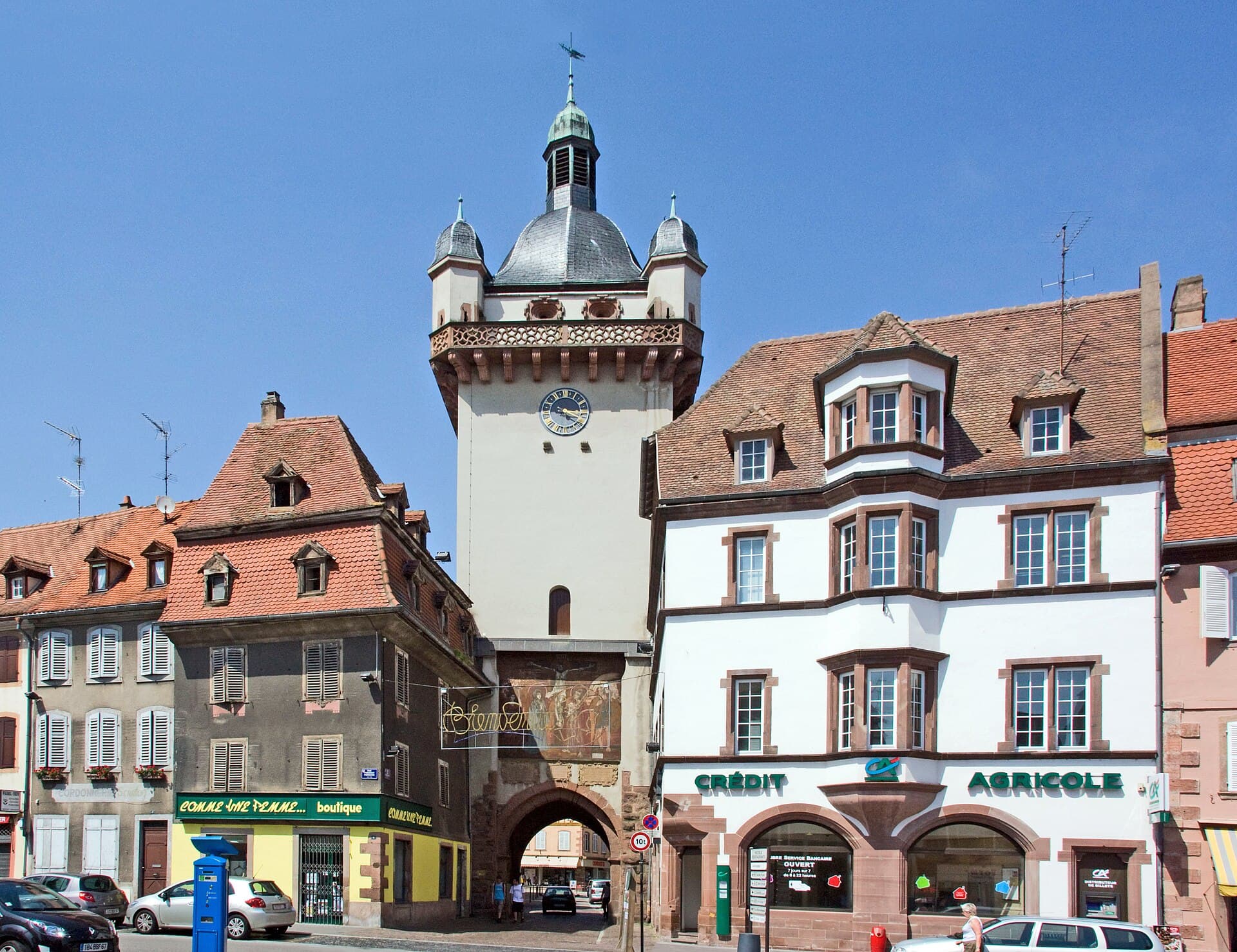
One night at Obernai. Its market square keeps the Halle aux Blés of 1554 and the Kappelturm belfry, nearly 60m high. Above it, the convent of Saint Odile, Alsace's patron saint, stands at 764m inside the Mur Païen, a 10km wall of about 300,000 blocks once blamed on the druids. At Rosheim, the church of Saints Peter and Paul was built of pink and yellow sandstone around 1150, and at Ottrott two castles stand 50m apart on one ridge. At Natzweiler-Struthof some 50,000 prisoners were registered between 1941 and 1945; the museum of the deportation is in barrack no. 1, beside the national memorial and cemetery.
Obernai and Mont Sainte-Odile: The Pagan Wall and the Wine Town
250 XPWalk a stretch of the Mur Païen round the plateau, then in the convent at 764 m find Saint Odile's tomb in the chapel off the cloister and the sarcophagus said to be her father Adalric's, follow Léon Elchinger's ceramic Stations of the Cross of 1933-35 along the rock face, and go down to the spring below whose water was held to cure diseases of the eyes
3.1 km from camp
About 3.5 h
Natzweiler-Struthof: The Only Nazi Concentration Camp on French Soil
250 XPWalk down the terraces of the camp from top to bottom and find the four buildings that were left when the rest were demolished in March 1954: barrack no. 1 and the kitchen barrack at the top, and at the bottom the crematorium block and the cell block
11.9 km from camp
About 3 h
Walks from camp
Days 4–5 · 2 nights
Riquewihr and Haut-Kœnigsbourg
56 km · 1 h 4 min from Obernai
Base camp · 2 nights
Camping Riquewihr
4.4
1,976 Google reviews
Editor's note
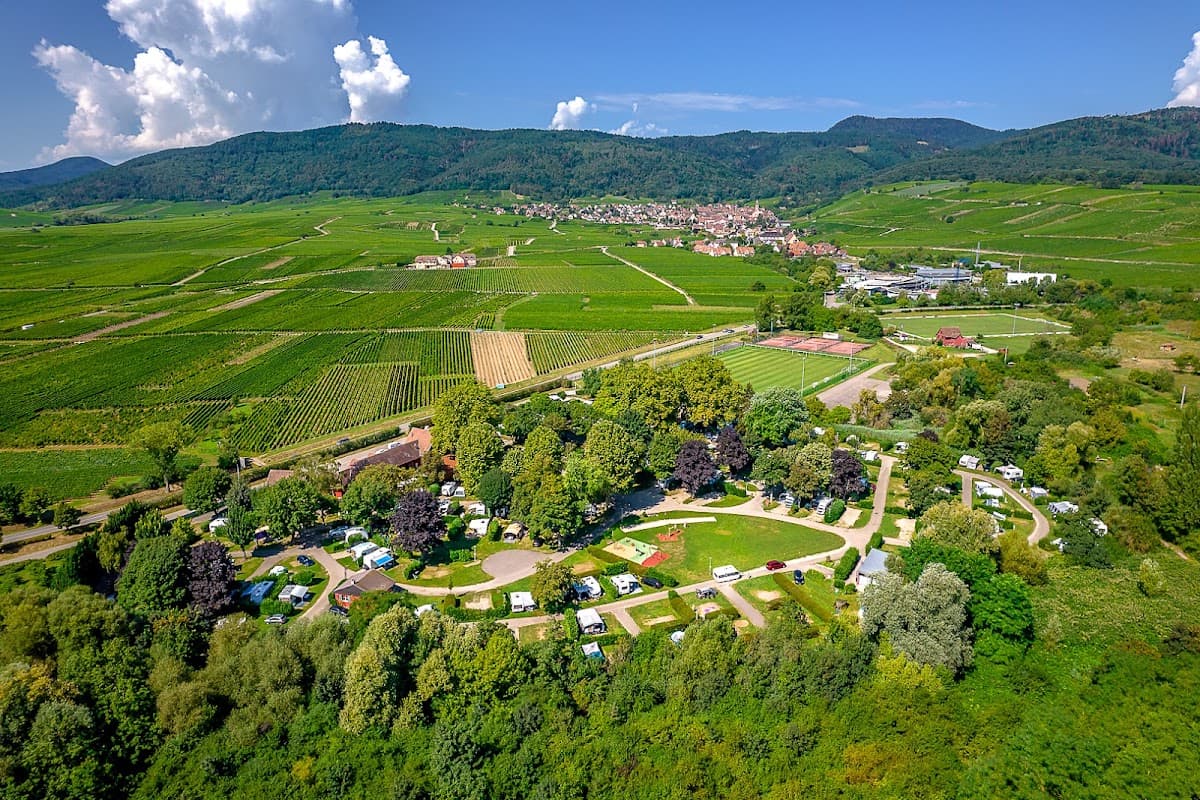
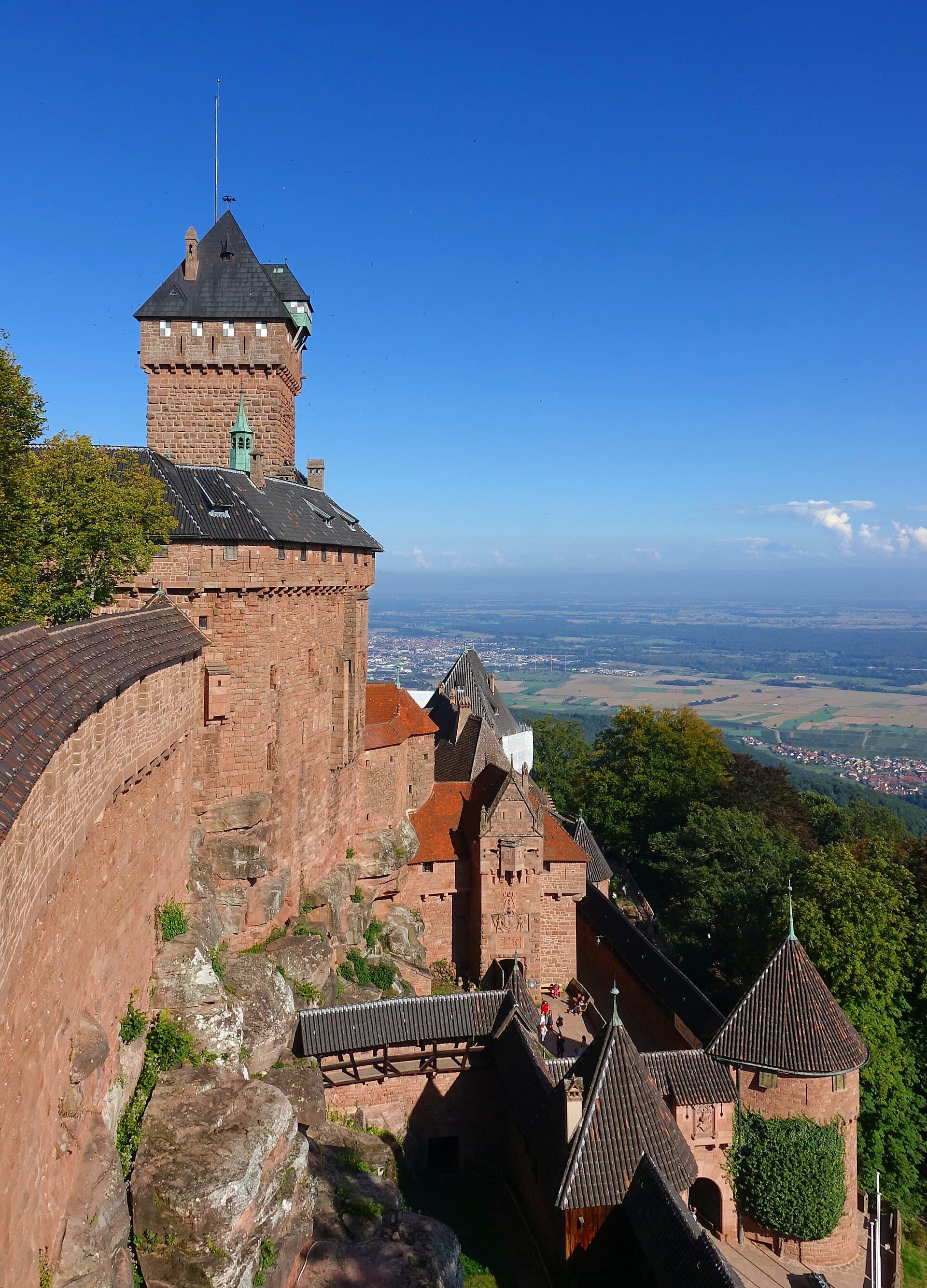
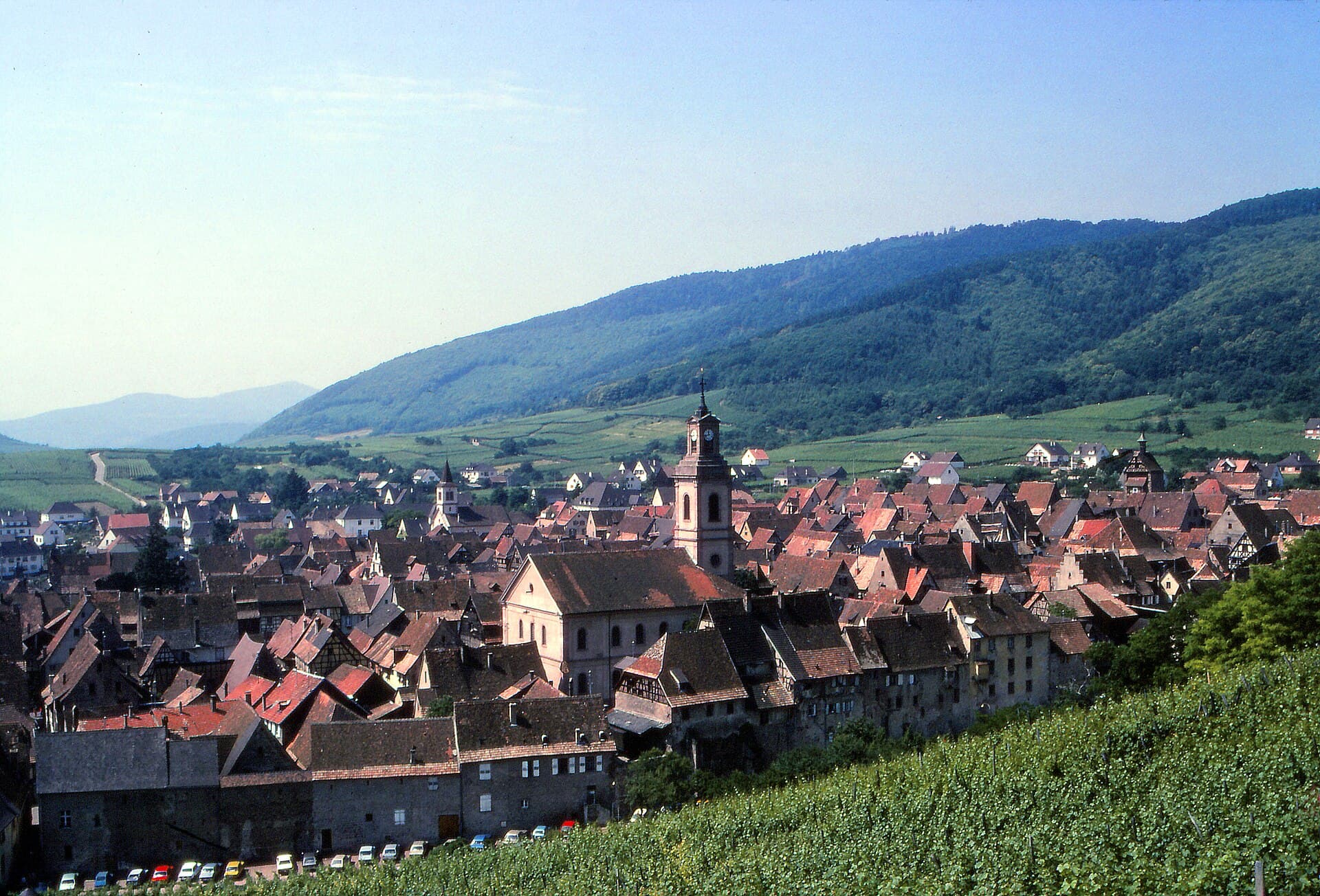
Two nights at Riquewihr, walled in 1291. Walk its walls to the Dolder gate tower and taste a Riesling grand cru from the Schoenenbourg slope. Haut-Kœnigsbourg, at 755m, was rebuilt for Kaiser Wilhelm II and opened in his presence on 13 May 1908; part of Renoir's La Grande Illusion was filmed there. Below it at Kintzheim, the Volerie des Aigles flies birds of prey over the castle ruins, and more than 200 Barbary macaques live free at the Montagne des Singes. A 6km loop climbs from Ribeauvillé to its three castles. At Sélestat, the Humanist Library of Beatus Rhenanus is on UNESCO's Memory of the World register.
Sélestat: The Humanist Library of Beatus Rhenanus
200 XPCount the 25 Vosges sandstone piers of Ricciotti's extension outside — they are set like the pages of a book — then go in and find the shelves of Beatus Rhenanus's own library among a collection of 460 manuscripts and 550 incunabula, and look up at the vaulted steel frame that holds the old corn hall up without hiding any of it
15 km from camp
About 3 h
Haut-Kœnigsbourg: The Kaiser's Castle, the Eagles and the Barbary Macaques
275 XPTour Haut-Koenigsbourg, opened by Wilhelm II in person on 13 May 1908 as a museum to the Germanness of Alsace and as the western marker of his empire, the twin of Marienburg in the east; stand on the great bastion looking over the plain to the Black Forest, and pick out the walls Jean Renoir used for the exteriors of La Grande Illusion in 1937
9.9 km from camp
About 3.5 h
Spring to autumn only
The Alsace Wine Route: Riquewihr and Ribeauvillé
250 XPWalk the surviving north and west walls of Riquewihr, a rectangle of only 300 m by 220 m, and climb the five storeys of the Dolder — twenty-five metres, and its name means the highest point in Alsatian — to the museum on three of its floors, where the weapons run from the 15th to the 17th century and the rest is the tools of the wine trade
1.5 km from camp
About 4 h
Walks from camp
Day 6 · 1 night
Colmar
13 km · 19 min from Riquewihr and Haut-Kœnigsbourg
Base camp · 1 night
Camping de l'Ill - Colmar
4.1
3,028 Google reviews
Editor's note
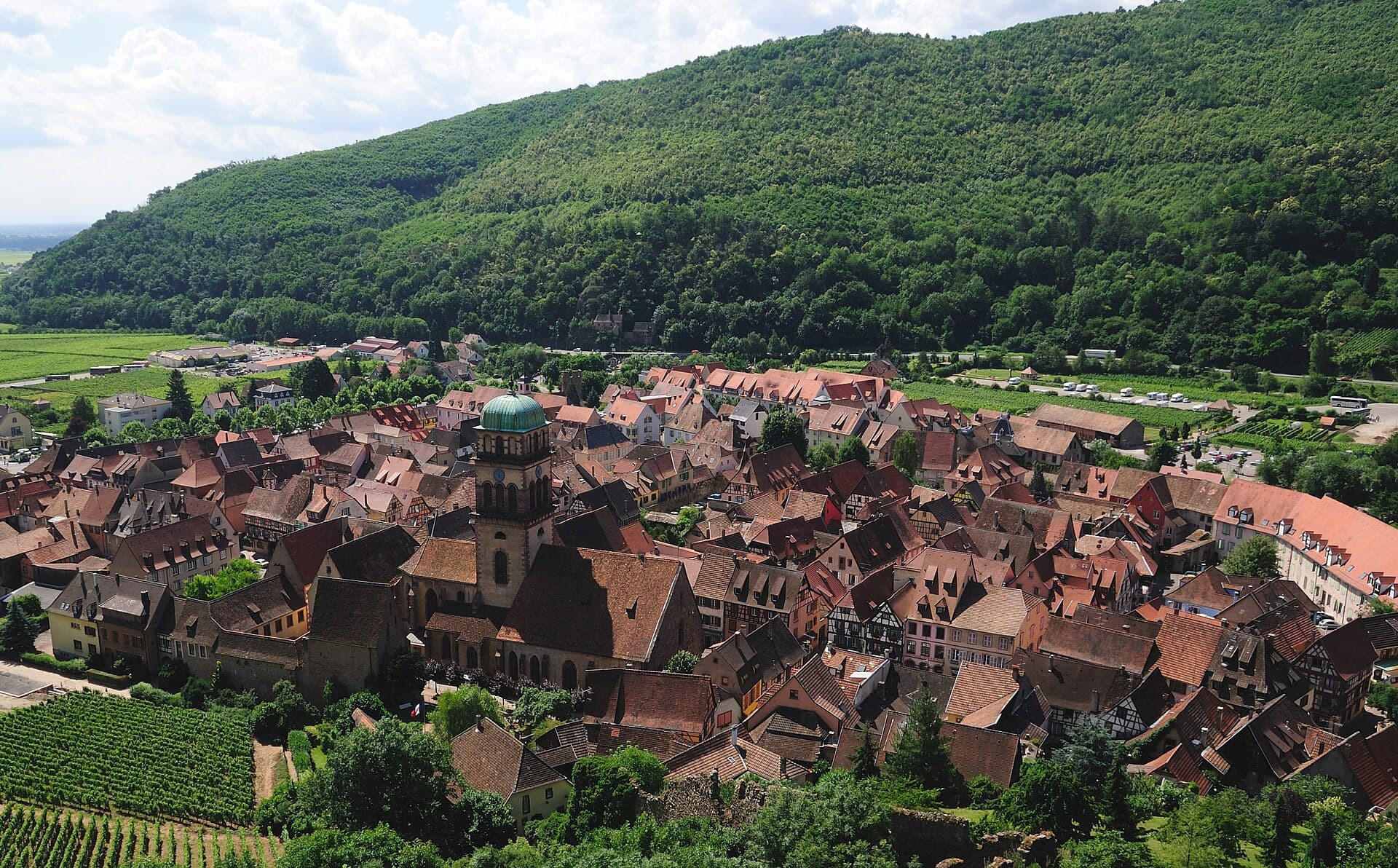
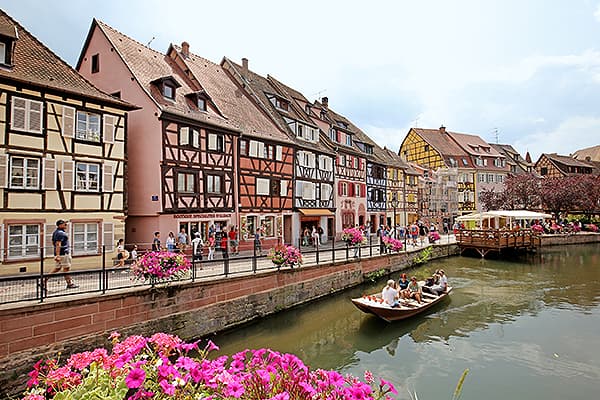
One night at Colmar. In the Musée Unterlinden, stand before the Issenheim Altarpiece, its panels painted by Matthias Grünewald in 1512–1516, then take a flat-bottomed boat along the Lauch through the Petite Venise. Auguste Bartholdi, sculptor of the Statue of Liberty, was born here, and his house is now the Musée Bartholdi. Eguisheim coils in concentric streets round its octagonal castle, and Kaysersberg, Albert Schweitzer's birthplace, has a fortified bridge below the Schlossberg castle. Neuf-Brisach was built from nothing between 1698 and 1702 on the octagonal plan Louis XIV chose himself; walk its ramparts and stand on the Place d'Armes at the centre.
Colmar, Eguisheim and Kaysersberg: The Issenheim Altarpiece and the Wine-Route Villages
275 XPIn the old convent church at the Musée Unterlinden, work round the Issenheim Altarpiece and find the three things that show it was painted for a hospital ward: the blue lips and nail-twisted feet of the Christus dolens, the medicinal herbs against Saint Antony's fire lying at Saint Antony's feet, and Saint Sebastian standing guard against plague on the left shutter
2.3 km from camp
About 4.5 h
Neuf-Brisach: Vauban's Octagon
225 XPStand at the centre of the place d'Armes and count the streets running out of it: the whole town is a grid laid inside an octagon of walls begun with the first stone on 18 October 1698 and finished in 1702, with the church came later — Saint-Louis was begun on 11 October 1731 and finished in 1736, and the town hall in 1758. Find the fontaine royale on the square before you leave it
12.6 km from camp
About 3.5 h
Walks from camp
Day 7 · 1 night
The Hautes-Vosges
54 km · 1 h 4 min from Colmar
Base camp · 1 night
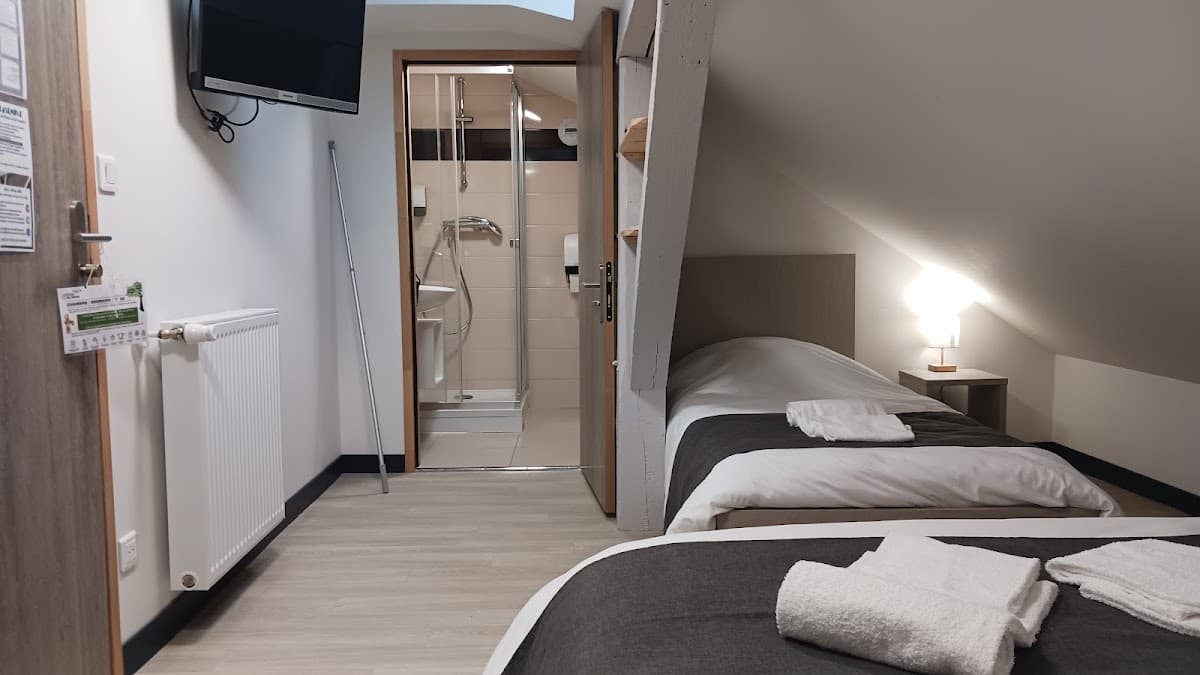
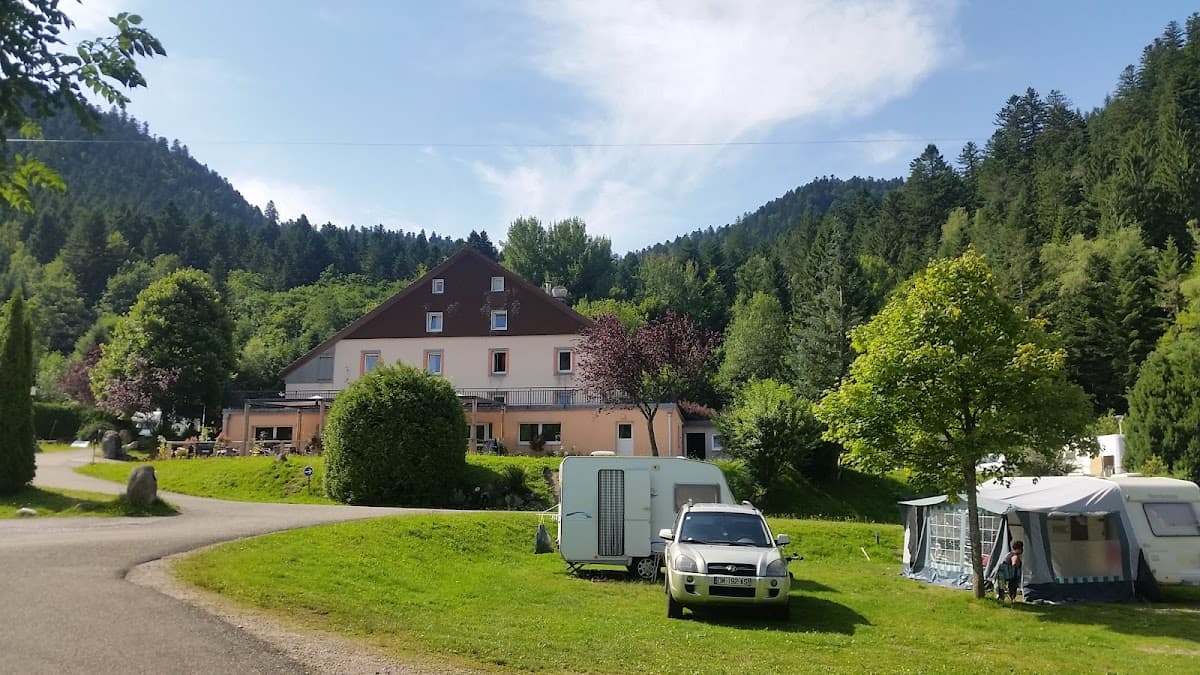
Domaine du Haut des Bluches : camping, chalets, hôtel
4.3
715 Google reviews
Editor's note
One night in the Hautes-Vosges. The Route des Crêtes runs 89km along the ridge, built just below the crest in the First World War out of sight of the German guns, and is open from about April to November. Walk up to the 1889 orientation table on the Hohneck, 1,363m, and look for chamois. Book ahead for a repas marcaire at a ferme-auberge: smoked pork, roïgabrageldi potatoes and the farm's own Munster. At Gérardmer, a 5.5km path circles the largest natural lake in the Vosges. At Bussang, the Théâtre du Peuple opens the back of its stage onto the forest, which becomes the scenery.
Hautes-Vosges: The Route des Crêtes, the Hohneck and Lac de Gérardmer
275 XPDrive the Route des Cretes from the Col du Bonhomme over the Col de la Schlucht to the Hohneck and the Markstein, on the military road the army cut along the ridge during the First World War to supply and hold the Vosges front
9.2 km from camp
About 8 h
Spring to autumn only
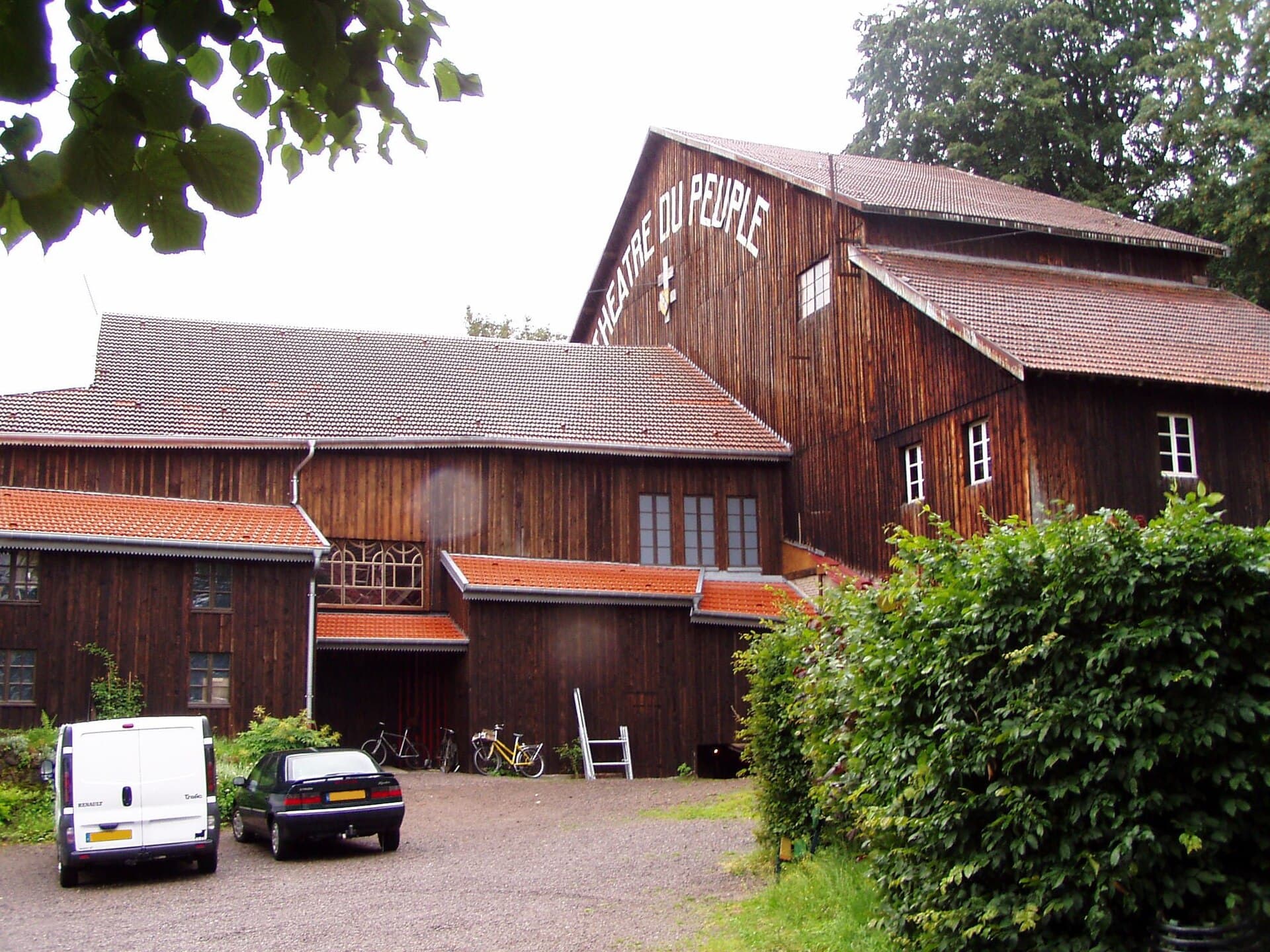
The Théâtre du Peuple at Bussang: A Stage That Opens Onto the Forest
200 XPRead the motto cut into the fronton of the theatre — « Par l'Art pour l'Humanité » — then walk round to the back of the building to the two great sliding doors Pottecher put in the back of the stage so that the Vosges forest itself becomes the scenery
14 km from camp
About 3 h
Walks from camp
Finish the guide, earn 2,475 XP
10 challenges across 5 stops.