Avandra Field Guide · Normandy, France
Honfleur, Étretat and the Pays d'Auge from Caen
6
nights
337
km driving
9
challenges
2,200
XP to earn
6
nights
337
km driving
9
challenges
2,200
XP to earn
Six nights in a loop from Ouistreham to the mouth of the Seine and back through the Pays d'Auge. It opens in Honfleur, round the Vieux Bassin and the wooden church of Sainte-Catherine, with Deauville's boards and Trouville's fish market across the Touques. Then comes the Côte d'Albâtre: the chalk arches of Étretat, the Bénédictine palace at Fécamp and Perret's concrete Le Havre. Inland, Lisieux has the basilica of Saint Thérèse, and the Route du Cidre runs past cider farms to the half-timbered village of Beuvron-en-Auge. The last night takes in Falaise, where William the Conqueror was born, and his castle and abbeys in Caen.
Starts and finishes at the ferry in Caen-Ouistreham
Best from April to October
337 km of driving in total, about 6 hours over 6 days
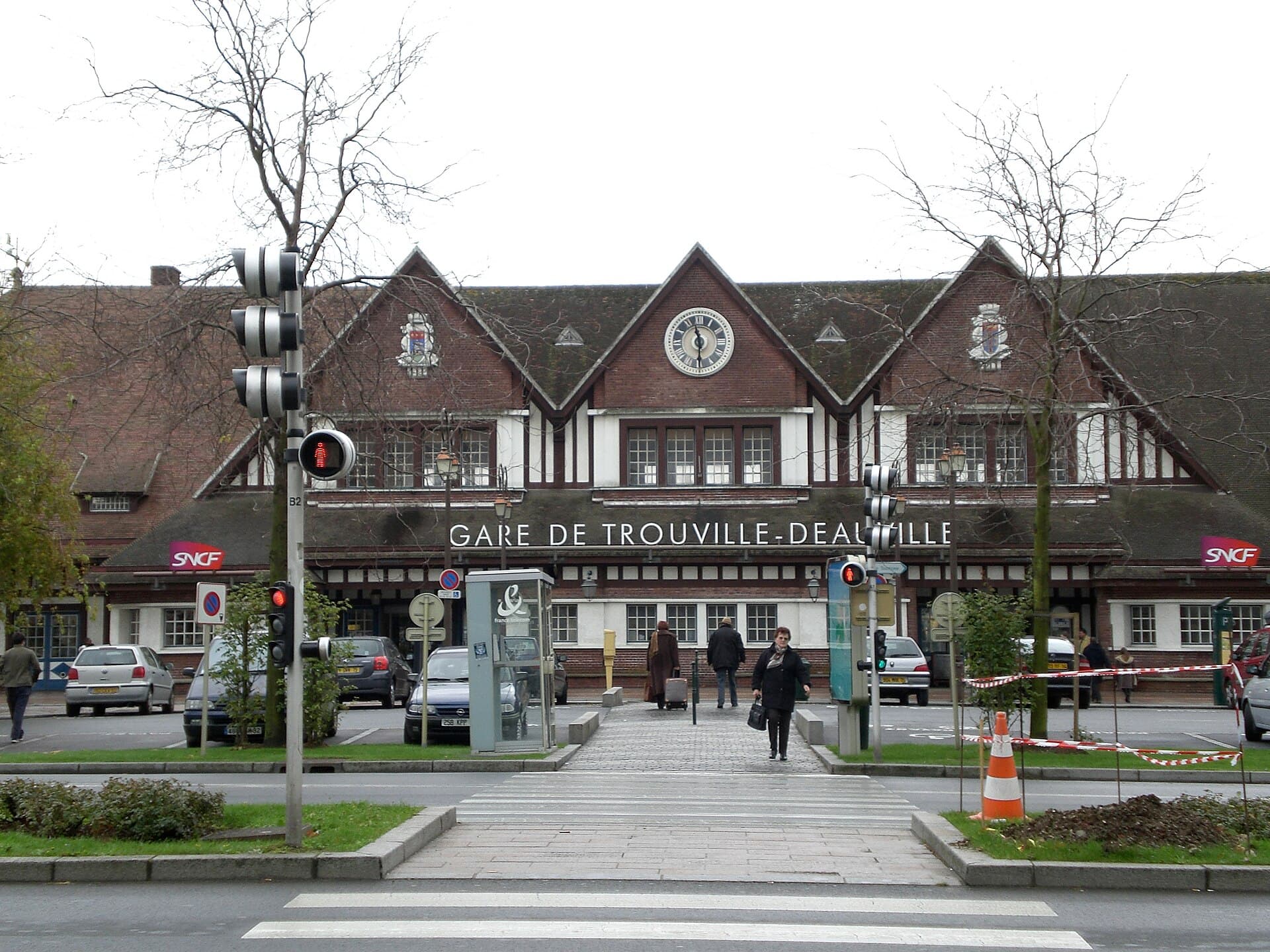
Deauville and Trouville: Les Planches, the Film Festival and the Fish Market Across the Touques
Camping Valhalla entre le Havre et les falaises d'Etretat - Ouvert / Open 15/03/26
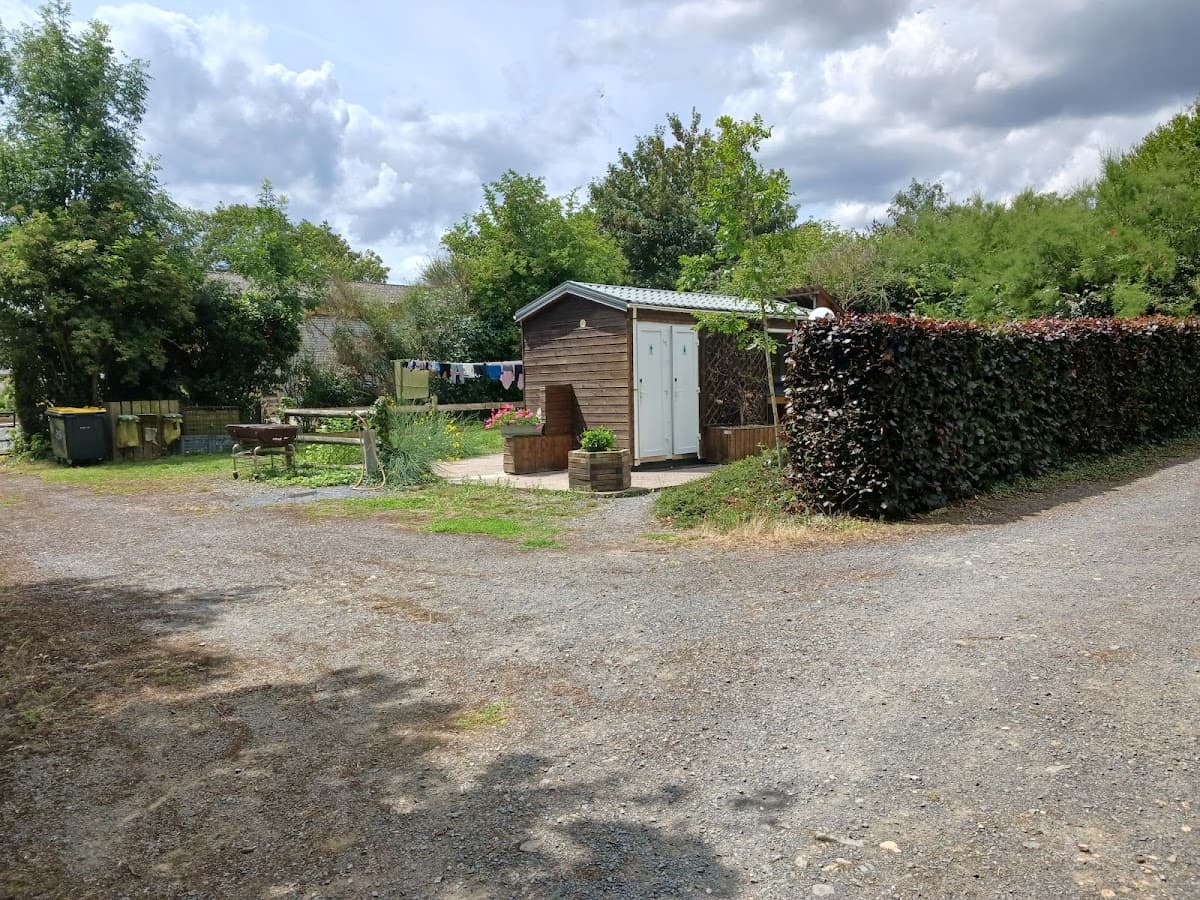
Edited by Avandra
Days 1–2 · 2 nights
Honfleur and Deauville
65 km · 1 h 5 min from Ouistreham
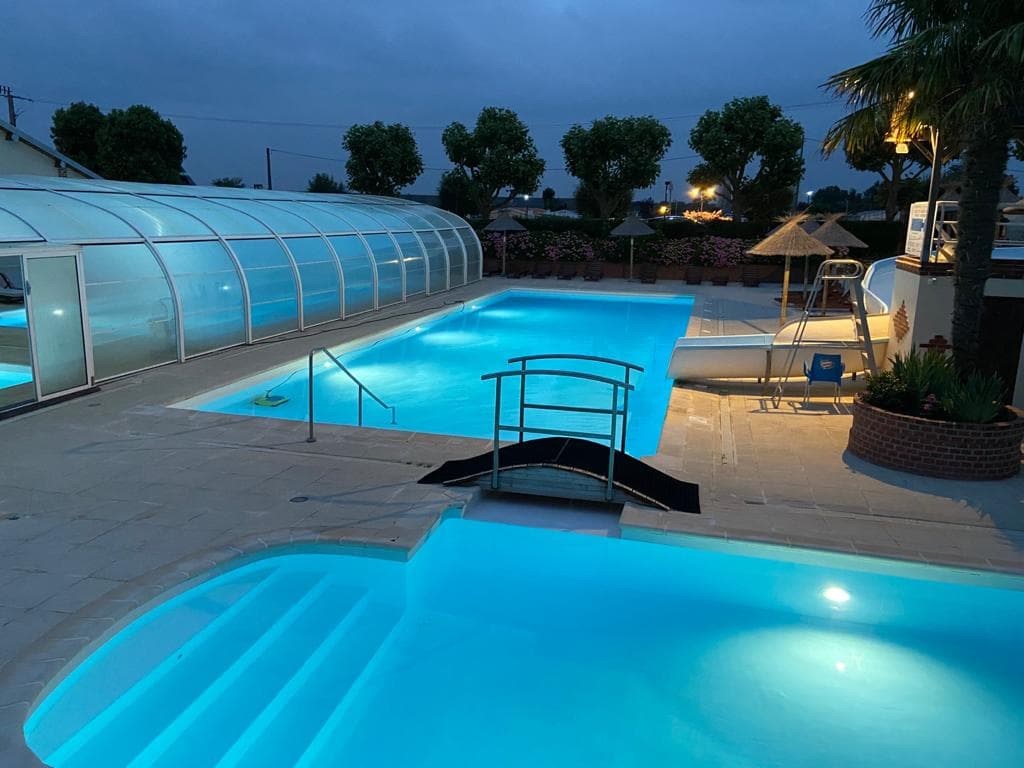
Base camp · 2 nights
Camping La Briquerie
4.2
1,302 Google reviews
Editor's note
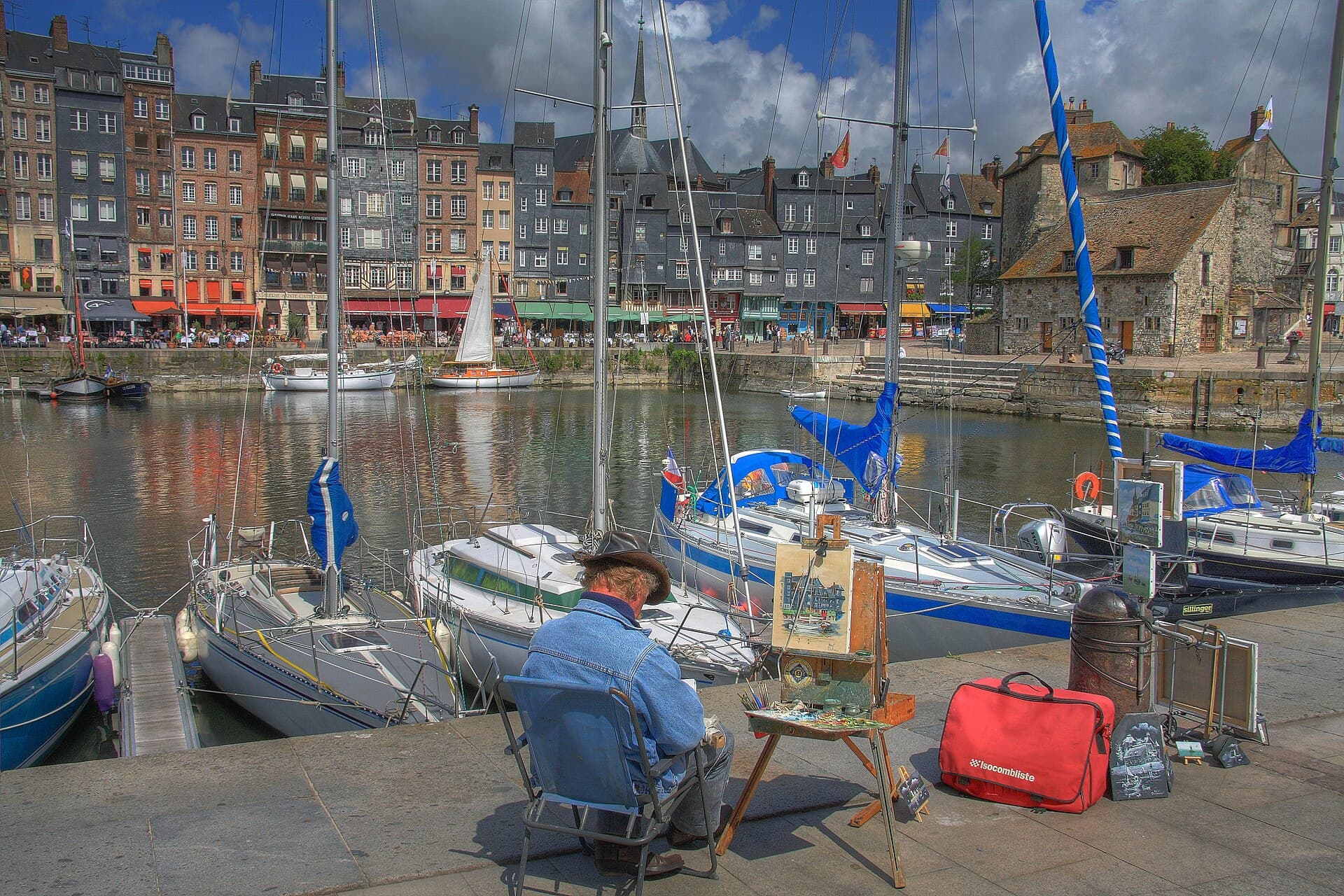
Two nights at Honfleur and Deauville. Honfleur's Vieux Bassin was dug in 1681 on Colbert's orders, and the Lieutenance at its entrance tells the town's seafaring story. Sainte-Catherine is the largest wooden church in France, its bell tower set apart across the square to keep lightning fires from the nave. The Musée Eugène-Boudin shows the painters of the estuary, from the Romantics to the Impressionists. Walk or cycle over the Pont de Normandie, whose main span is 856m. Deauville rose from the marshes between 1860 and 1864: walk Les Planches past the Bains Pompéiens, then cross the Touques to Trouville's fish market of 1936.
Honfleur: The Vieux Bassin, Sainte-Catherine and Boudin's Harbour
225 XPWalk the quays right round the Vieux Bassin, then go into the Lieutenance — the 16th-century Caen gate with its two round towers, the only piece of Honfleur's walls still standing — and find the bust of Samuel de Champlain on its outer face, who sailed from this basin
3 km from camp
About 4 h
Deauville and Trouville: Les Planches, the Film Festival and the Fish Market Across the Touques
225 XPWalk the full 1,800 m of the promenade-dyke past the Bains Pompéiens and work out the beach's colour code as you go — the parasols are orange, red, blue or green by sector — and look for the nœud deauvillais, the local knot that holds each one against the wind
11 km from camp
About 3 h
Walks from camp
Days 3–4 · 2 nights
Étretat, Fécamp and Le Havre
39 km · 46 min from Honfleur and Deauville
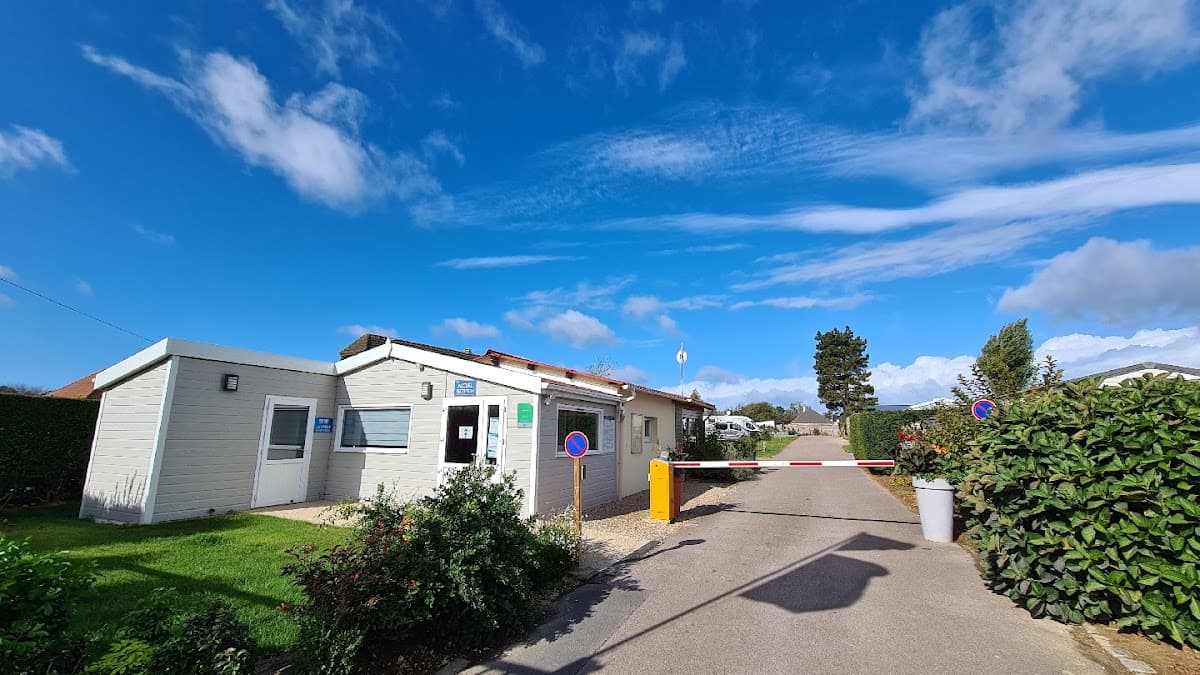
Base camp · 2 nights
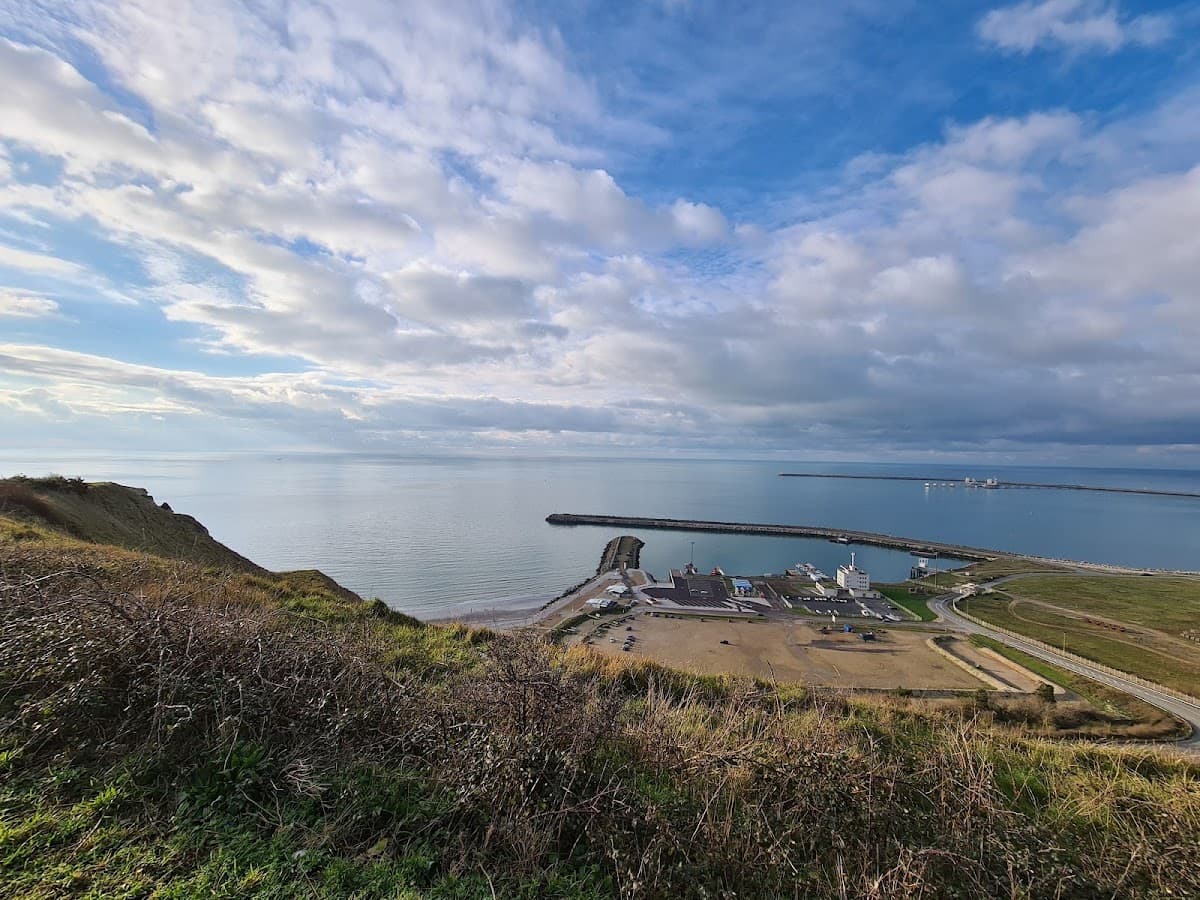
Camping Valhalla entre le Havre et les falaises d'Etretat - Ouvert / Open 15/03/26
4.2
911 Google reviews
Editor's note
Two nights on the Côte d'Albâtre. At Étretat, follow the cliff path from the Falaise d'Aval to the Falaise d'Amont, past the natural arch and the Aiguille, climb to Notre-Dame de la Garde and the monument to Nungesser and Coli, and go down to the shingle beach. Fécamp's Palais Bénédictine, begun in 1882 and nicknamed an industrial Versailles, still houses the distillery and cellars. Walk up Cap Fagnet to the sailors' chapel above the port. Le Havre's centre was rebuilt in concrete by Perret's studio between 1945 and 1964 and is UNESCO-listed; stand under the 107m lantern of Saint-Joseph and find Niemeyer's Volcan.
Étretat: The Chalk Arches of the Côte d'Albâtre
400 XPWalk the clifftop from the Falaise d'Aval to the Falaise d'Amont and keep looking back at the Aiguille: as you move towards Amont it slides across until it stands part-framed inside the arch of the porte d'Aval. Carry on 500 m south-west along the top first to see the Manneporte, the widest of the three
9.1 km from camp
About 6 h
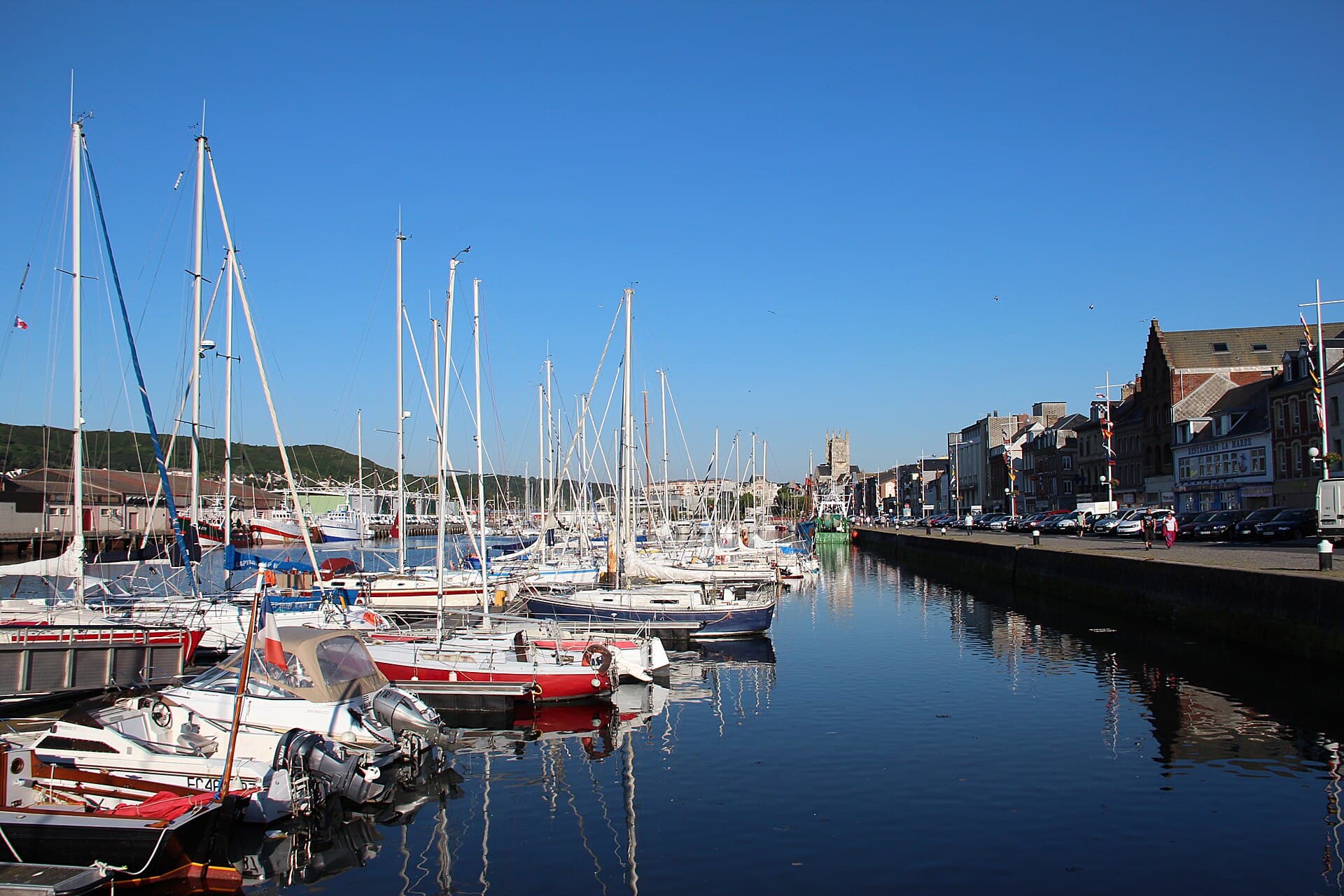
Fécamp: The Bénédictine Palace, the Relic of the Precious Blood and Cap Fagnet
225 XPGo through the Palais Bénédictine knowing you are in the second building — the first, opened in 1888, burned on 12 January 1892 — and find in one circuit the thing it was built to put side by side: a copper still in the working distillery, and in the museum rooms above Alexandre Le Grand's own hoard of carved ivories, coins, old locks and religious paintings
20.8 km from camp
About 4 h
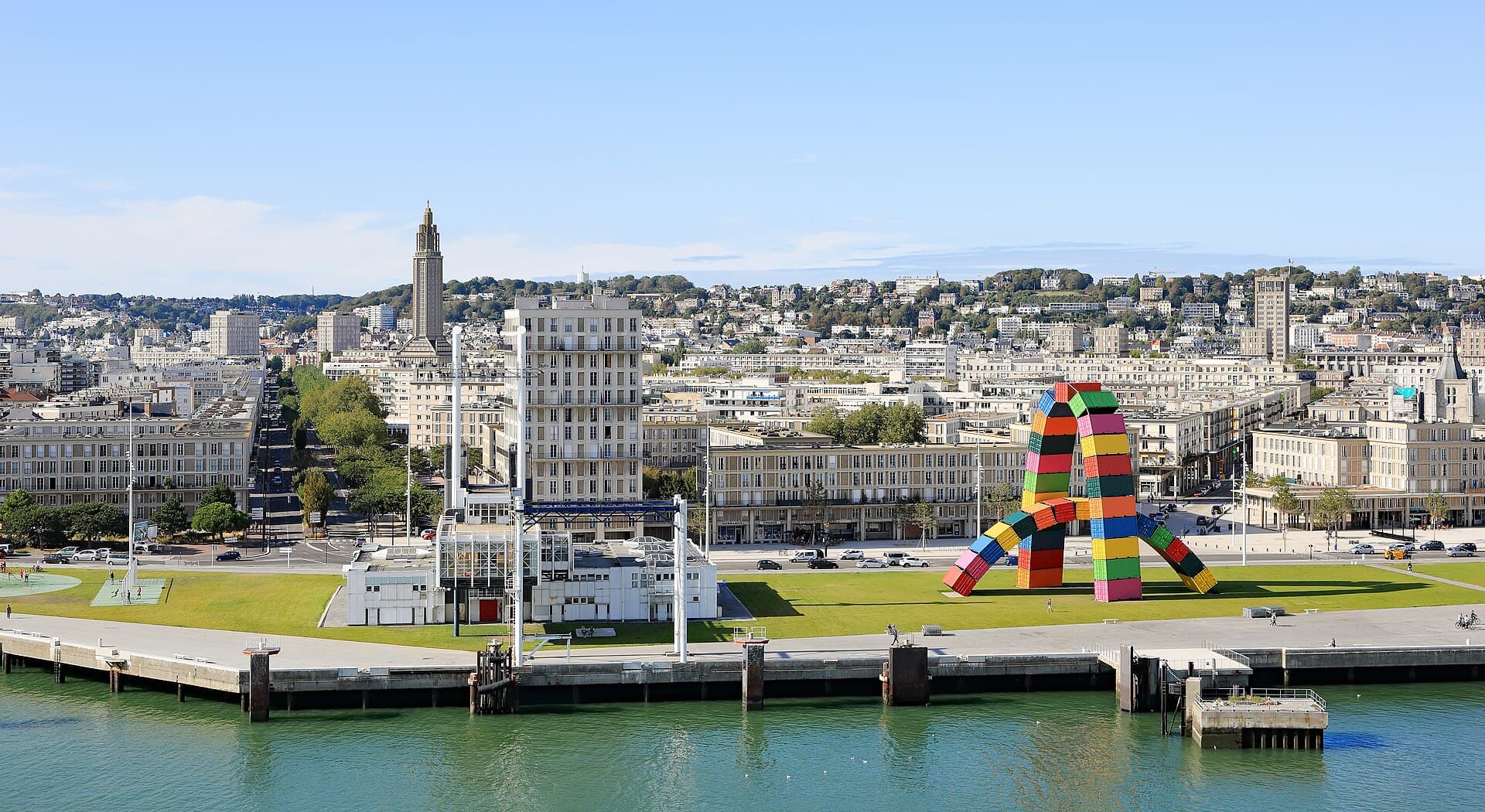
Le Havre: Perret's Concrete City, the Lantern of Saint-Joseph and the Impressionists of the MuMa
250 XPStand directly under the 107 m lantern at Saint-Joseph and follow Marguerite Huré's glass upward to see the colours change with height, then find the plaque put up on 6 September 2019 to the 3,000 people killed in the Allied bombing the church commemorates
16 km from camp
About 3 h
Walks from camp
Day 5 · 1 night
Lisieux and the Cider Route
112 km · 1 h 52 min from Étretat, Fécamp and Le Havre
Base camp · 1 night
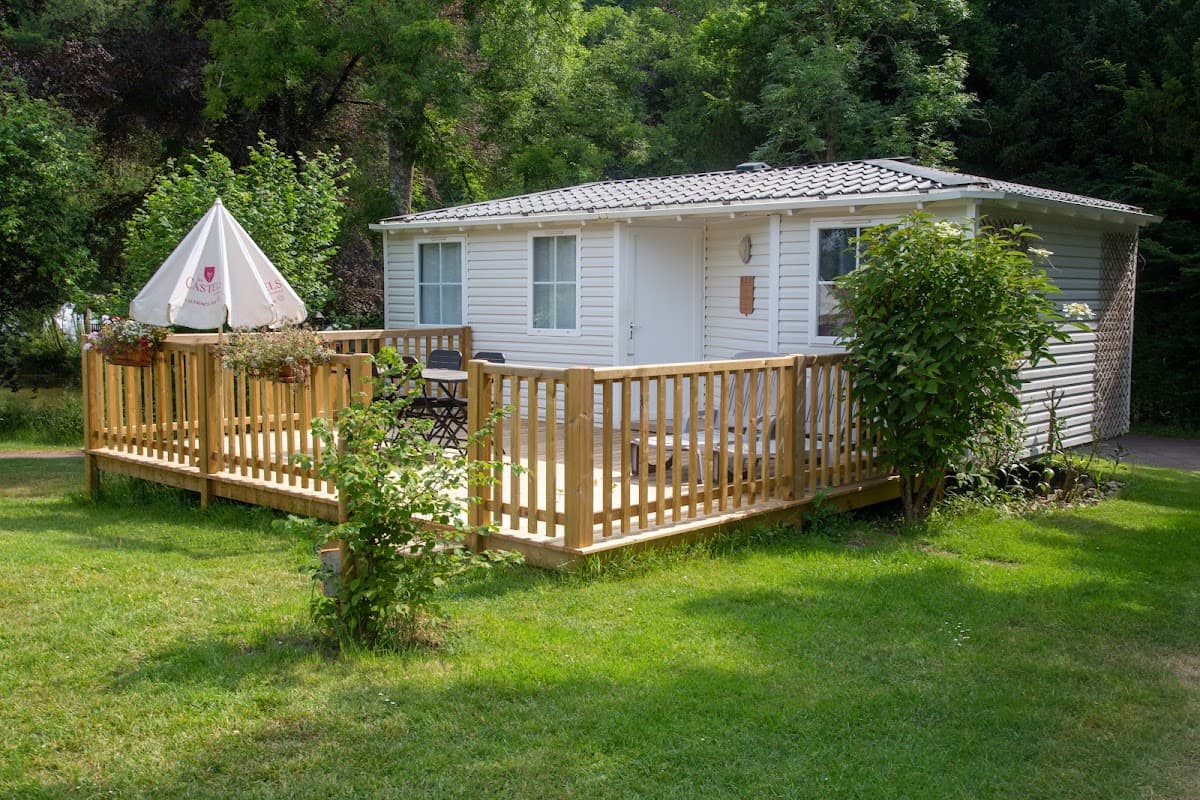
Camping Le Brévedent
4.6
533 Google reviews
Editor's note
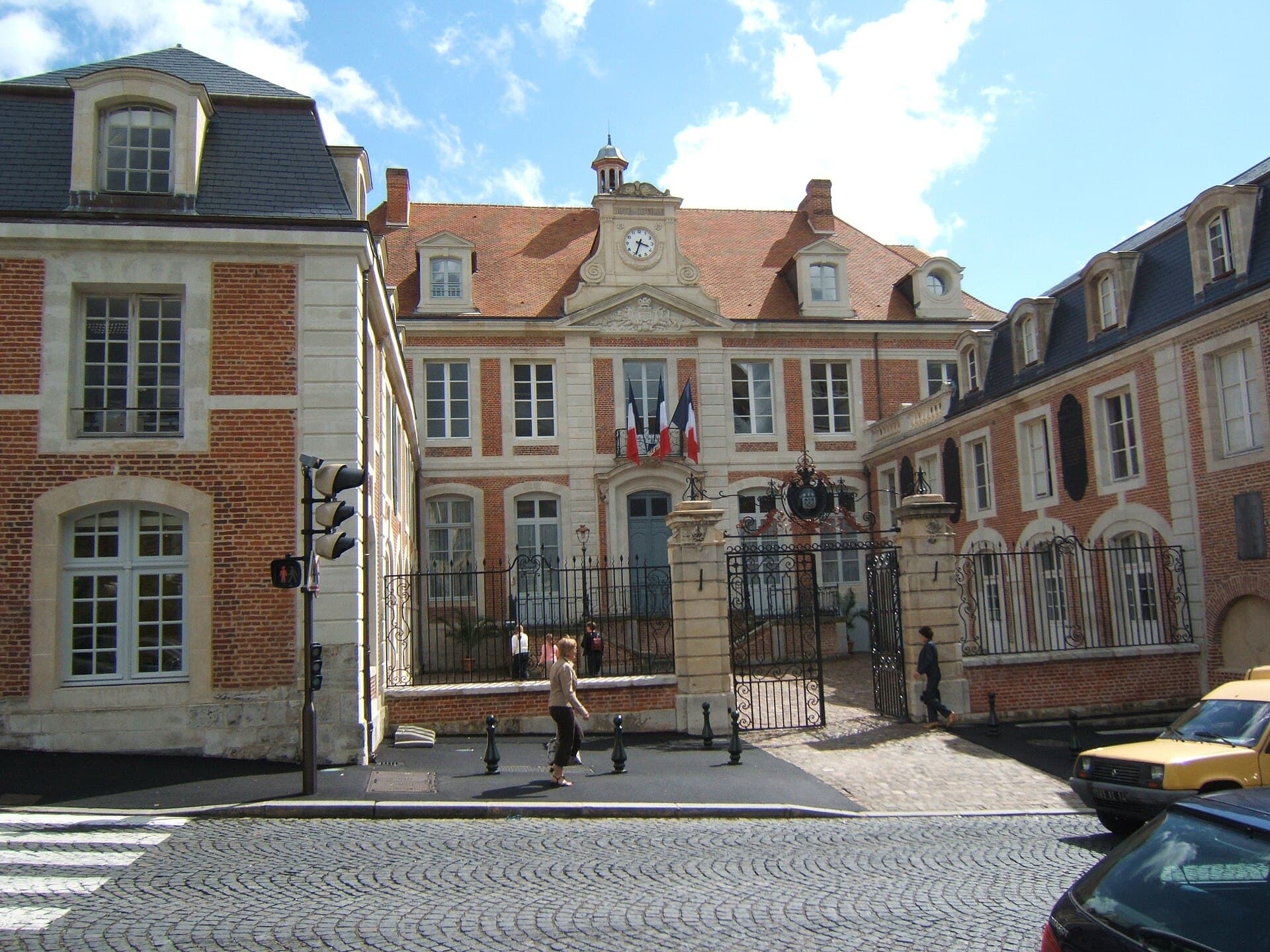
One night between Lisieux and the cider villages. Thérèse Martin came to Les Buissonnets in 1877 and entered the Carmel at fifteen; she was canonised in 1925. See her childhood house, go into the Carmel chapel, and visit the neo-Byzantine basilica built for the pilgrims from 1929. Then follow the 40km Route du Cidre through the Pays d'Auge to a cider farm for cider and pommeau, and walk round Beuvron-en-Auge. Buy Livarot and Pont-l'Évêque from a local producer. The château of Crèvecœur-en-Auge stands on a moated motte and has a museum of the Schlumberger brothers' oil prospecting.
Lisieux: The Basilica of Saint Thérèse, Her Carmel and Les Buissonnets
200 XPStand under the 97 m dome of the basilica, 28 m across and carrying a single-block cross of 1.70 m weighing close to a tonne, then look at how completely Pierre Gaudin's mosaics cover the inside — and remember that the war took two thirds of Lisieux and probably spared this building only because it was built out at the edge of town
10.7 km from camp
About 3 h
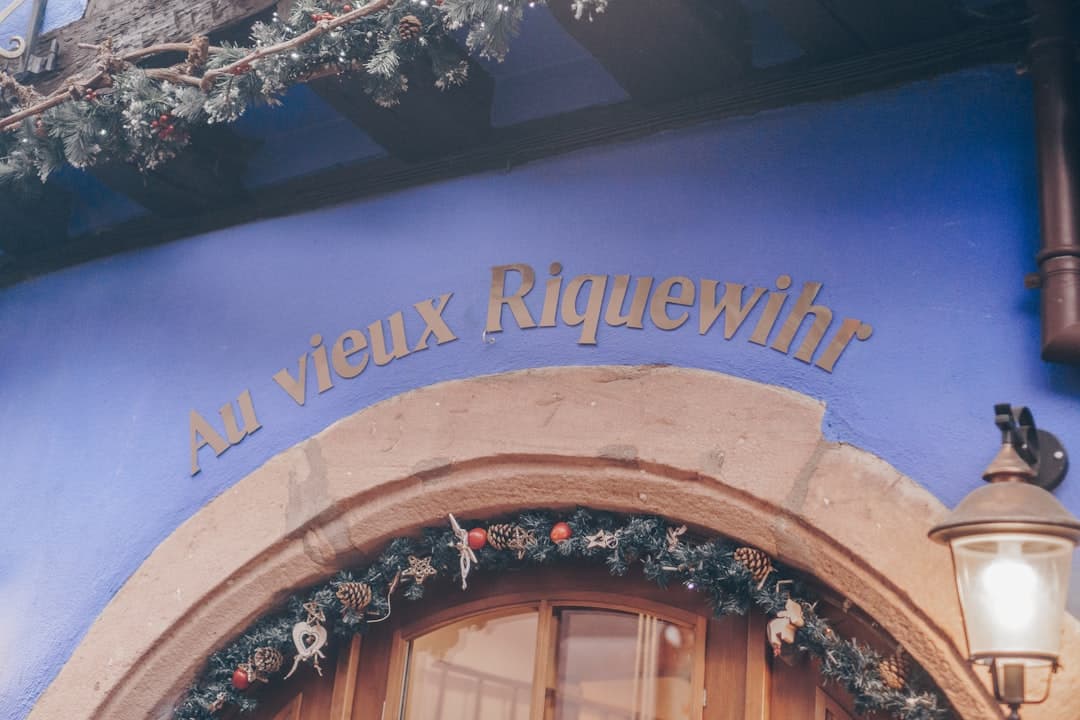
Normandy Cider Route: Cambremer, Beuvron-en-Auge and Crèvecœur
200 XPDrive the full 40 km loop of the Route du Cidre through Cambremer, Hotot-en-Auge and Beuvron-en-Auge, stopping at a farm signed on the route to taste its cider and its pommeau, and ask which apple varieties went into the blend
20.4 km from camp
About 4 h
Walks from camp
Day 6 · 1 night
Falaise and Caen
91 km · 1 h 39 min from Lisieux and the Cider Route
Base camp · 1 night
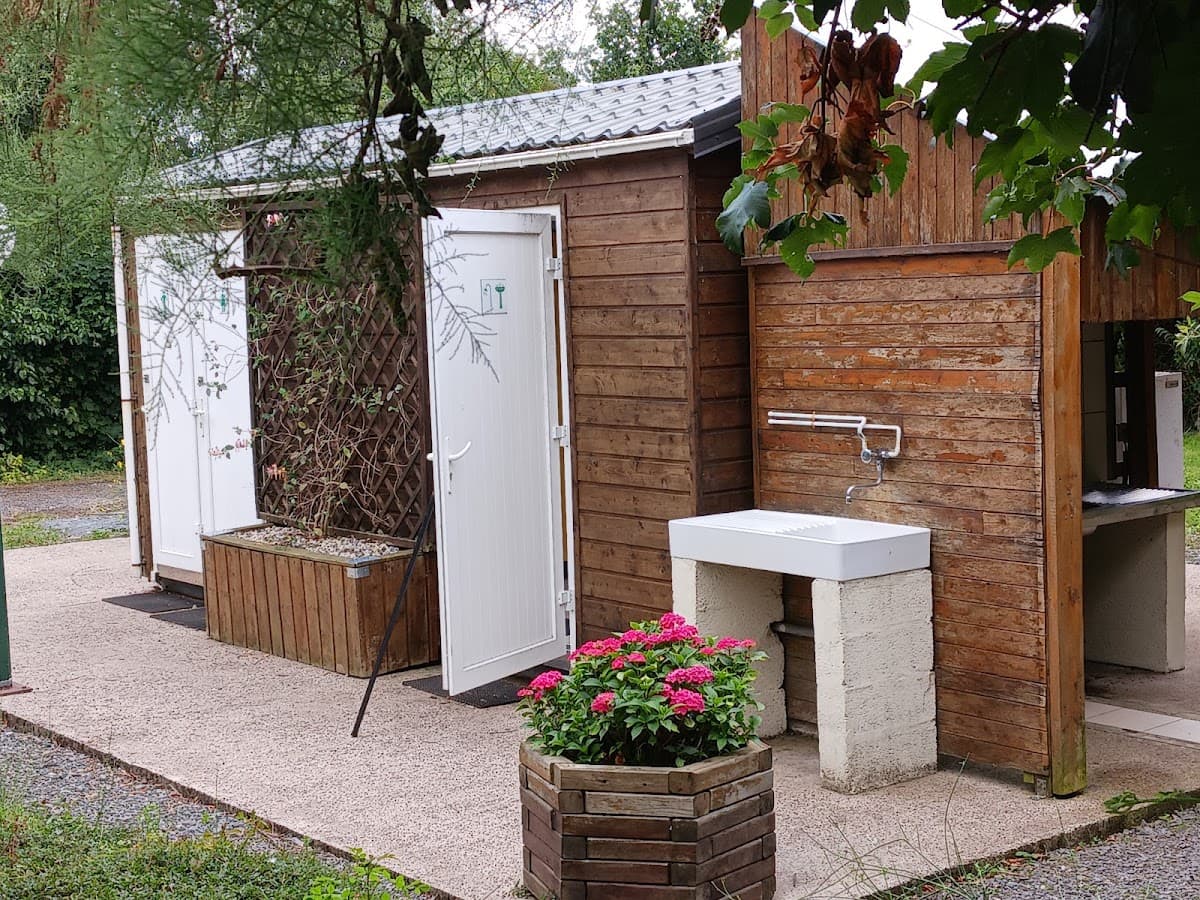
Camping Le Bout de la Ville
4.2
134 Google reviews
Editor's note
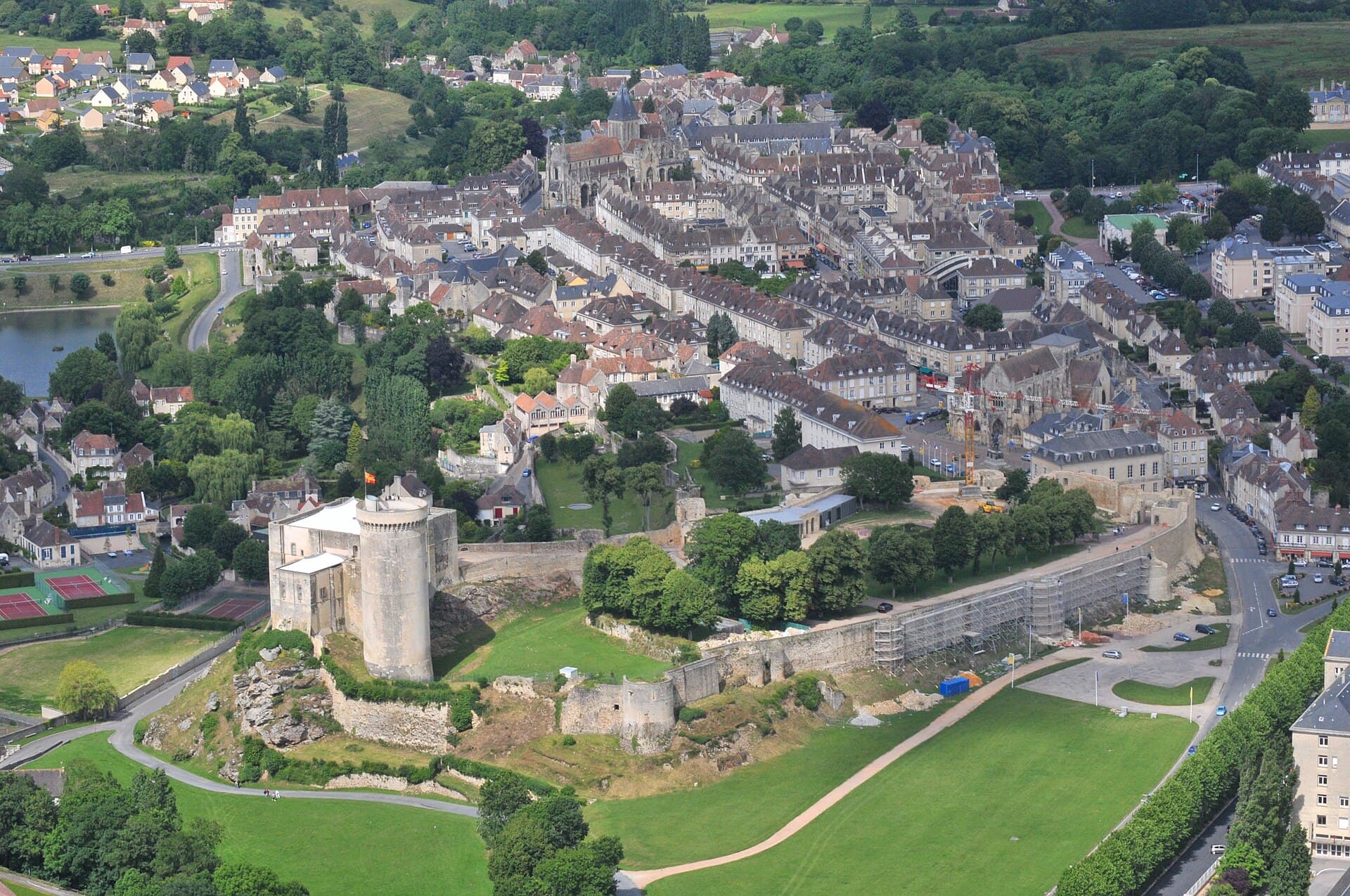
One night by Falaise and Caen, the last before the crossing home. William the Conqueror was born in the castle at Falaise in about 1027: climb its great square keep of the 1120s, then walk down to the Fontaine d'Arlette, named after his mother. The Mémorial des Civils dans la Guerre, opened in 2016, tells how civilians lived through the Second World War. In Caen, where William built his castle around 1060, walk its walls, then find his tomb in the Abbaye aux Hommes and Matilda's in the choir of the Abbaye aux Dames. The Mémorial de Caen is a museum of war and peace.
Falaise: William the Conqueror's Birthplace, Arlette's Fountain and the Civilians' Memorial
225 XPClimb the great square keep at Falaise, built about 1123-1125, and on its upper floor find the room in the north-east corner still called the chambre d'Arlette although the name is wrong, and the two-storey chapel dedicated to saint Prix built into the south-east wall
25.4 km from camp
About 3 h
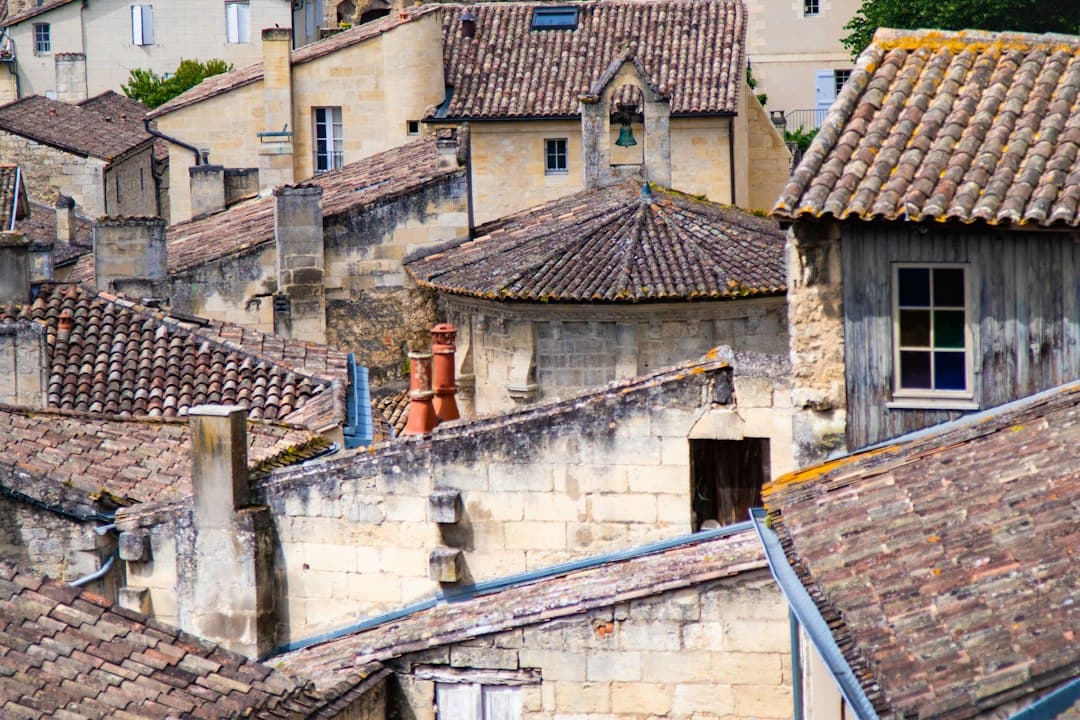
Caen: William the Conqueror's Castle, the Two Abbeys and the Mémorial
250 XPWalk the full 850 m of the castle rampart round all 5.5 hectares, counting the eleven square towers Henry I added, then find the foundations of the keep he built about 1120 beside the north gate — a castle inside the castle — and go into the salle de l'Échiquier, the great hall where Henry II received the king of France in 1158 and again in 1173
11.9 km from camp
About 3.5 h
Walks from camp
Finish the guide, earn 2,200 XP
9 challenges across 4 stops.
More from the ferry at Caen-Ouistreham
Other trips that start and finish at the same port.